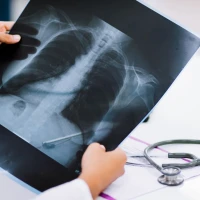
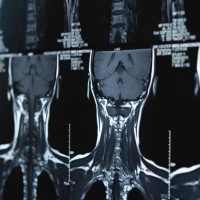
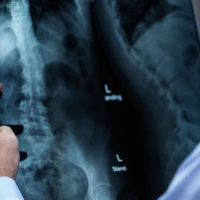
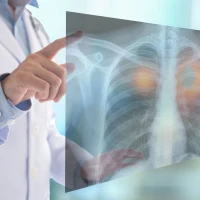
A chest X-ray is an examination that helps assess the organs of the chest and the bone structures of this area. On the image, the doctor can see changes in the lung tissue, the size and contours of the heart, signs of fluid or air in the pleural cavity, as well as some injuries to the ribs or spine.
Chest radiography can help detect or suspect:
- pneumonia and other inflammatory changes in the lungs;
- pleuritis, hydrothorax or pneumothorax;
- emphysema, atelectasis or congestive changes in the lungs;
- enlargement of the cardiac shadow or signs of cardiopulmonary disorders;
- fractures of the ribs, clavicle or other traumatic injuries;
- foreign bodies, postoperative changes or consequences of previous diseases.
During the description, the radiologist assesses whether the image corresponds to normal indicators: whether there are no shadows in the lungs, displacement of organs, fluid in the pleural cavity, gross deformities or other pathological changes. It is important to understand that an X-ray does not replace a doctor's examination, but complements the clinical picture.
If it is necessary to examine the chest, an X-ray helps quickly obtain basic information about the condition of the organs of the chest. At the same time, the final diagnosis is established by the doctor: he compares the radiological conclusion with complaints, examination data, test results and other examinations.