deformity and swelling of the joint
It is performed in 2 or 3 projections to assess the condition of all bones and joints. Its results can diagnose dislocations and fractures, flat feet, heel spurs, and other pathologies.

 Adults Adults Adults Adults Adults Adults Adults Adults Adults
  Children Children Children Children


 Hotline:
 Adults Adults Adults Adults Adults Adults Adults Adults Adults Children Children Children Children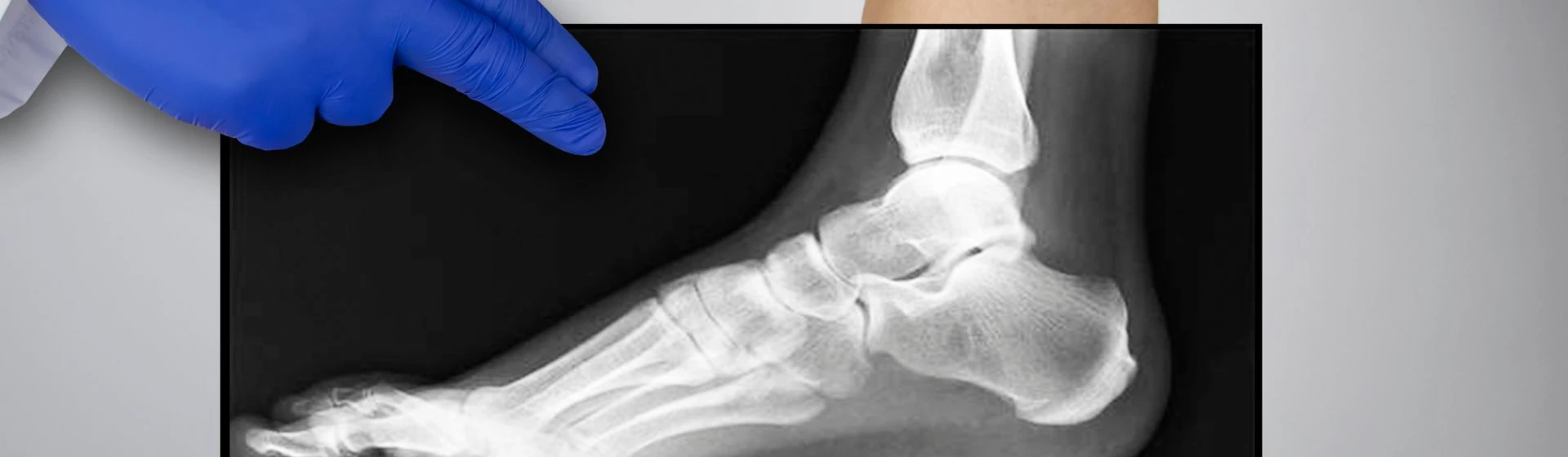
Digital X-ray of joints is a leading method of diagnosing disorders of bones and joints. This method is used in the process of diagnosis, in conducting differential diagnosis, in making a choice of treatment tactics (operative or conservative) and monitoring its effectiveness. The «Oxford Medical» clinic in Kiev performs X-ray examination of the hip, knee, elbow, wrist, shoulder, ankle, temporomandibular and other joints. All studies are carried out with the help of digital X-ray system Siemens Multix Select DR (Germany).
X-rays of different joints have certain differences. Let's consider them below:
It is performed in 2 or 3 projections to assess the condition of all bones and joints. Its results can diagnose dislocations and fractures, flat feet, heel spurs, and other pathologies.
It is also performed in three projections. It may be prescribed if there is suspicion of injury, arthrosis, or inflammatory disease.
It also allows visualization of part of the femur, fibula and tibia. Indications for the study may include injuries (dislocation, meniscus tear, bone fracture), arthritis, valgus deformity of the knee joints, and knee arthrosis. X-rays can confirm and clarify the diagnosis.
Allows you to detect fractures and dislocations, as well as bursitis (inflammation of the joint capsule).
It may be prescribed for injuries and suspected arthritis, coxarthrosis, ankylosis of the hip joint, necrosis of the femoral head, hip dysplasia, etc. Sometimes, bowel cleansing may be recommended before the examination.
It also provides partial visualization of the scapula and clavicle. Its results can be used to diagnose fractures, dislocations, periarthritis, shoulder bursitis, and neoplasms.
Often used in dentistry, it allows you to diagnose injuries and diseases, as well as assess bite abnormalities, the volume and structure of bone tissue.
Additional indications for x-ray of the hip joint is coxarthrosis, femoral neck fracture and hip dysplasia. X-ray of the knee joint is prescribed for injury to the meniscus, kneecap or condyles, as well as for gonarthrosis. An X-ray of the ankle joint may be necessary for gout, synovitis, heel spurs and flat foot.
Examination of the elbow joint can be prescribed for bursitis, fracture of the shoulder, radius or ulna, with dislocation of the forearm bones. A separate indication for X-ray of the shoulder joint is shoulder periarthritis and tendinitis.
X-ray of the joints can be prescribed to the
patient if the following symptoms take place:


deformity and swelling of the joint
pain in the joint
injuries (dislocations, subluxations and fractures) of the joints
arthrosis and arthritis
signs of inflammatory processes in the joints
bleeding in the joint
ligament injuries
damage of the joints in tuberculosis
degenerative changes in the joint
cysts
tumors
if monitoring of the effectiveness of the treatment is needed

In most cases no preparation for x-rays of the joints is required – for the patient it is a quick, simple and painless procedure. An exception is the x-ray of the hip joint, preparation for which is necessary and aimed at eliminating gases from the intestine. It consists in cleaning the intestine with an enema. Otherwise, the resulting images may be blurred.
An x-ray of the joint takes only a few minutes. The patient can be placed in a standing, sitting or lying position - it all depends on which joint needs to be examined and in which projection. After the examination the patient is given the results obtained and the conclusion of the radiologist.
The results of the study may be ready within an hour or two or a day. They should be evaluated by the doctor who prescribed the diagnosis.
The following indications are considered normal:
The following findings may indicate a pathological process:
If even one deviation is found, a doctor's consultation is mandatory.
The main advantage of digital x-ray examination is a minimal exposure dose, which is much less than when a patient is examined on analog devices (on which the received information is recorded not in digital format, but on film).
In addition the image of the joint is available for analysis almost immediately – it is displayed on the computer monitor and there is no need to spend time on developing the film. The obtained data, unlike the image on the film, is convenient to store, copy and send to the specialist who is engaged in treatment.
You can make an appointment for an x-ray of the joints at the «Oxford Medical» clinic in Kiev by calling us or using the chat on the website.
The price of joint X-rays at the Oxford Medical clinic depends on the type and number of joints examined, as well as the number of projections. You can find out the prices for joint X-rays here.
During a hip X-ray, the patient lies on a table and the doctor takes several pictures in different views. The procedure takes a few minutes, is painless, and provides detailed images of the bones and joints to diagnose diseases or injuries.
No special preparation is usually required for a hip X-ray. It is important to remove metal jewelry and objects that may affect the quality of the image. Your doctor may provide additional information about preparation depending on your individual indications.
You can have your joints X-rayed at the Oxford Medical Medical Center at 30B Bereznyakivska St. and 1 Mykhayla Hryshka St. We have a new device that takes high-definition images with minimal radiation exposure.


Reduced radiation exposure. The radiation dose is several times lower than with film-based devices, making diagnostics safer.
Instant results. The image is available immediately after the scan, without the need for film development.
High image quality. Advanced software algorithms provide sharpness and detail, even for very small structures.
Convenient data storage and transfer. Results are available in electronic format, allowing easy sharing with doctors and storing in the patient’s medical record.
Digital image processing. The doctor can zoom in, adjust contrast and brightness for more accurate diagnosis.
Effectiveness and safety. The Siemens Multix Select DR digital X-ray is FDA certified, confirming its high effectiveness and compliance with the strictest safety standards.


 4.82
4.82  36+
36+  4.92 20+

 in the clinic
  online
  Hello!