

 Adults Adults Adults Adults Adults Adults Adults Adults Adults
  Children Children Children Children


 Hotline:
 Adults Adults Adults Adults Adults Adults Adults Adults Adults Children Children Children Children



Gout treatment
Gout is a systemic metabolic disease associated with the accumulation of uric acid crystals in the body. They are deposited in the joints, soft tissues, and kidneys, causing an inflammatory process. If the disease becomes chronic, it can lead to joint deformity, limited mobility, kidney stone formation, the development of kidney failure, and other complications.
Selecting effective therapy and adjusting the diet make it possible to control the disease. Many patients manage to achieve asymptomatic remission.
In Kyiv, you can undergo diagnostics and receive a consultation with an experienced rheumatologist at the medical center “Oxford Medical”.
Symptoms of gout
As a rule, the disease first manifests itself in the form of a gout attack. It is characterized by the sudden onset and increase of symptoms. Most often, they appear at night or early in the morning. At first, acute pain in one of the joints and severe swelling occur. The skin around it becomes red and warm. The mobility of the joint decreases. An increase in body temperature, the appearance of general weakness, and other symptoms of an inflammatory disease are also possible.
The duration of a gout attack usually ranges from 3 to 10 days. Then the pain, swelling, and redness pass, and the mobility of the joint is restored. However, this does not indicate recovery. Even if the condition has improved and there are no complaints, a doctor should be consulted.
Without proper treatment, gout tends to progress. A recurrent attack may appear after several months or even years; however, over time exacerbations become longer, and periods without symptoms gradually shorten.
In addition to gout attacks, the disease may manifest itself with the following symptoms:
- short-term attacks of joint pain that may last several hours;
- the appearance of pain in different joints, sometimes with migration of inflammation;
- formation of tophi — subcutaneous deposits of uric acid crystals;
- limitation of mobility and gradual deformation of the joints.
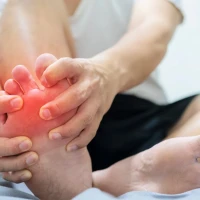
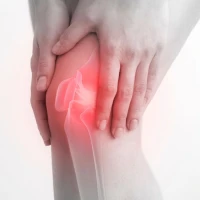
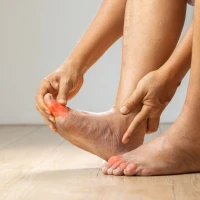
In many patients, the first manifestations of the disease occur in the area of the first metatarsophalangeal joint — this is how gout of the foot most often manifests itself. Later, the inflammatory process may spread to other joints as well, including the wrist, elbow, and knee joints. Damage to the joints of the hands is also possible — in such cases they speak of gout in the hands.
Stages of disease development
Gout is a progressive disease that has 4 stages:
- Asymptomatic hyperuricemia — the level of uric acid in the blood increases, resulting in the deposition of a small amount of crystalline substances in the joints and other tissues of the body. At the same time, symptoms of the disease are absent.
- Gout attack, or acute arthritis — this is the active phase of the disease during which severe pain, swelling, and redness of the skin around the joint develop, and its mobility is also limited.
- Intermittent stage — periods of exacerbation (gout attacks) alternate with periods of remission, when the symptoms completely or almost disappear.
- Chronic gout — the disease progresses to a chronic form if inflammation does not subside within 3 months. It is accompanied by the formation of large tophi, joint deformity, and limitation of mobility. It often leads to the development of complications.
Thus, gout develops gradually — from an asymptomatic increase in uric acid levels to chronic damage to the joints and tissues, therefore early diagnosis and timely treatment are of key importance for preventing complications.
Possible complications of gout
It is advisable to begin treatment of gout at an early stage. Without appropriate therapy, the disease may progress rapidly, causing irreversible changes in the joints and other complications.
Gout can lead to the development of serious complications, including:
- damage to several joints with the development of polyarthritis;
- gradual limitation of joint mobility;
- prolonged intense pain syndrome;
- formation of kidney stones;
- gouty kidney damage (nephropathy);
- development of kidney failure.
Such complications significantly worsen the patient’s quality of life and require timely treatment and constant control of the disease.
Causes of gout
The main factor in the development of gout is an increase in the level of uric acid in the blood. This is a substance that is formed during the metabolism of purines and is normally excreted from the body by the kidneys together with urine. If its concentration increases (this condition is called hyperuricemia), crystals of uric acid begin to accumulate in the joints. They are deposited in the synovial fluid, which fills the joint cavities, and are perceived by the immune system as foreign particles. In response, an inflammatory reaction is triggered, which manifests itself as a gout attack — acute inflammation of the joint.
An increase in the level of uric acid may be associated both with its excessive formation in the body and with impaired excretion processes. This may be facilitated by certain diseases, long-term use of some medications, as well as dietary characteristics.
The likelihood of developing gout increases in the presence of the following factors:
- hereditary predisposition;
- chronic kidney failure;
- metabolic disorders;
- diabetes mellitus;
- increased blood glucose level;
- ischemic heart disease;
- hypertension;
- hemoglobinopathies;
- chronic hemolytic anemia;
- myelo- and lymphoproliferative diseases;
- excess body weight;
- regular alcohol consumption;
- a diet with an excess of fatty meat, fish, legumes, eggs, mushrooms, chocolate and sweet carbonated drinks;
- lead intoxication.
An exacerbation of gout in the leg or arm may occur with trauma to the affected joint, a general infectious disease, refusal of a therapeutic diet, alcohol consumption, dehydration of the body (including as a result of heavy sweating when visiting a bathhouse or sauna).
Classification of the disease
Depending on the causes and mechanism of the development of the disease, the following are distinguished:
- Primary gout — associated with insufficient function of enzymes that control the level of uric acid in the blood. It can be inherited and develop at a young age.
- Secondary gout — is a complication of another disease, for example, chronic kidney diseases, diabetes mellitus, etc.
Thus, determining the type of gout helps the doctor understand the cause of the increase in the level of uric acid and select the most effective treatment strategy.
Diagnosis of gout
Some symptoms characteristic of gout may also occur in other diseases: various forms of arthritis, spondyloarthritis, arthrosis, osteoporosis, bursitis, erysipelas and phlegmon. Only a specialist can make the correct diagnosis by performing comprehensive diagnostics.
First of all, the doctor studies the patient's complaints and conducts an examination of the joints: evaluates their shape, size and mobility, the condition of the skin around them, and also checks for the presence of tophi.
To confirm the diagnosis, assess the stage of the disease and determine the possible cause of the increase in the level of uric acid, the doctor may prescribe the following examinations:
- general and biochemical blood tests;
- study of the level of uric acid in blood serum;
- general urinalysis;
- blood test with determination of creatinine, urea and glucose indicators;
- study of synovial fluid or the contents of a tophus (the material is obtained during puncture);
- Ultrasound of the joints and kidneys;
- radiography or computed tomography of the affected joints.
If a high blood sugar level or signs of kidney pathology are detected, additional examinations may be prescribed and consultations with specialized doctors may be recommended.
Treatment of gout
The treatment of gout is aimed not only at eliminating pain during an exacerbation, but also at stabilizing the level of uric acid in the blood and preventing further progression of the disease. To achieve a long-term result, a comprehensive approach is used, combining drug therapy, lifestyle correction, and control of accompanying risk factors.
The treatment plan is drawn up individually, taking into account the stage of the disease, the frequency of gout attacks, the presence of complications, and accompanying diseases. A rheumatologist may recommend:
- medications that reduce the level of uric acid in the blood and promote its excretion from the body;
- anti-inflammatory agents to eliminate the acute inflammatory process in the joint;
- pain-relieving medications to alleviate the pain syndrome;
- physiotherapeutic procedures that help reduce inflammation and improve the condition of the affected tissues;
- kinesiotherapy or therapeutic exercise to restore joint mobility;
- a therapeutic diet (dietary tables No. 6 or No. 8 are more often recommended);
- joint puncture to remove excess fluid and reduce intra-articular pressure;
- surgical treatment in case of significant growth of tophi, formation of fistulas, or ulcers.
In most cases, drug treatment of gout in combination with lifestyle correction ensures effective control of the disease. Following the doctor's recommendations, adhering to the diet, and regularly monitoring the level of uric acid help reduce the frequency of exacerbations and maintain long-term remission.
Dietary features for gout
An important component of gout treatment is dietary correction. The diet should be aimed at reducing the intake of purines and maintaining a normal level of uric acid in the body.
Patients are advised to limit or completely exclude:
- fatty types of meat and fish, as well as lard;
- sausages, hot dogs and other meat semi-finished products;
- smoked foods;
- canned products;
- legumes (beans, peas, soy);
- mushrooms;
- eggplants, sorrel, spinach and radish;
- chocolate and desserts with fatty creams;
- cocoa, strong coffee and tea;
- sweet carbonated drinks and packaged juices;
- alcoholic beverages.
Following dietary recommendations helps reduce the risk of increased uric acid levels and prevent the occurrence of new gout attacks.
Prevention of gout
To reduce the risk of developing gout or an exacerbation of the disease, the following are recommended:
- follow the principles of healthy nutrition;
- maintain body weight within the normal range;
- monitor the level of sugar and uric acid in the blood;
- treat all diseases in a timely manner.
To prevent the worsening of the disease and the development of complications, it is necessary to consult a doctor when the first symptoms of gout appear.
To schedule a consultation with a specialist at «Oxford Medical», call our contact center or leave a request on the website.
Cost of gout treatment in Kyiv at the «Oxford Medical» clinic
The cost of gout treatment depends on the stage of the disease, the presence of complications, the necessary examinations, and the scope of therapeutic measures. The therapy program is selected individually after a consultation with a rheumatologist and diagnostic procedures. You can предварительно ознакомиться с ценами на медицинские услуги here.
You can schedule a consultation with a rheumatologist at the «Oxford Medical» clinic in Kyiv by calling the contact center or through the online appointment form on the website.


Advantages of the Rheumatology Department at Oxford Medical in Kyiv

Experienced doctors. Rheumatologists with many years of practice and specialization provide consultations.
Modern diagnostics. Accurate laboratory and instrumental diagnostic methods are used.
Comprehensive treatment approach. Treatment considers comorbidities.
Comfortable examination conditions. Consultations are conducted in modern offices, without queues or stress.




 in the clinic
  online

 Hello!
Let's take care
about your health:

