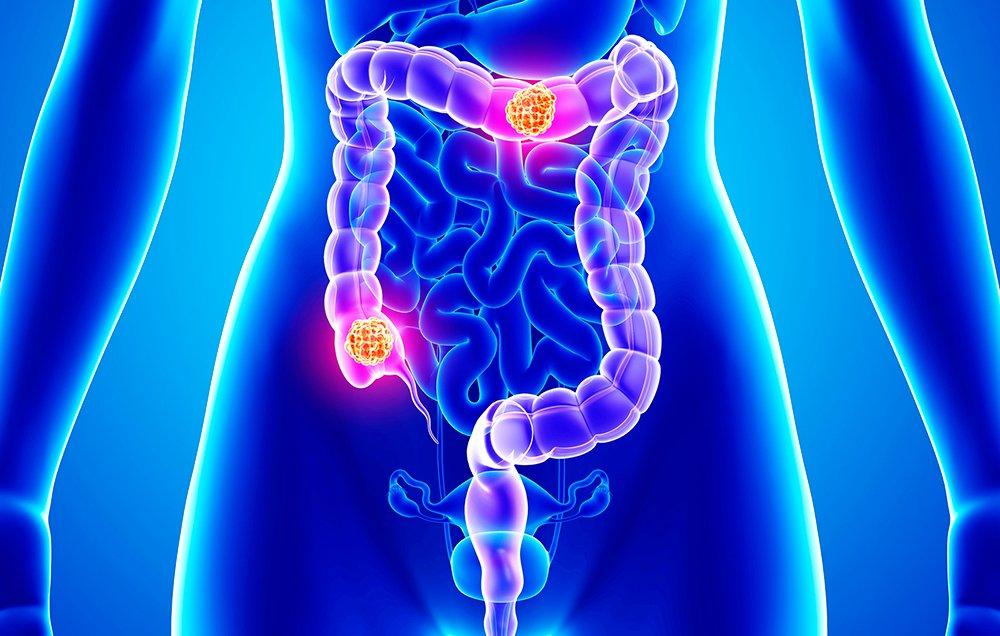
The treatment tactics for duodenal cancer depend on the stage at which the disease is diagnosed. If it is stage 1, surgery is performed first. In some cases, this is sufficient, while in others, radiation or chemotherapy is required to reduce the risk of recurrence and the development of metastases.
At stages 2, 3 and 4, surgical, radiation and chemotherapy treatment are used. The sequence and duration of the courses are determined individually.
Radiation therapy has a local effect. It slows down the development of the tumor and causes tissue destruction. Chemotherapy has a systemic effect, therefore it is effective in the prevention and treatment of metastases.
Surgery for duodenal cancer is most often performed laparoscopically. This is a minimally invasive intervention, which is performed using special equipment. 3 small punctures are made in the abdominal cavity. Optical devices that transmit images to the screen and miniature surgical instruments are inserted through them. Using them, the surgeon removes the tumor and part of the intestine, and then stitches its fragments together to restore integrity.
If the cancer has spread to other parts of the intestine, adjacent organs or lymph nodes, the scope of the operation increases. The surgeon's task is to remove all foci of the neoplasm, preserving as much healthy tissue as possible.
At Oxford Medical, surgical treatment is performed in a modern high-tech surgical hospital with its own intensive care and resuscitation department. The clinic is equipped with the latest equipment and employs experienced surgeons, thanks to which all patients receive medical care in accordance with the highest quality standards.