

 Adults Adults Adults Adults Adults Adults Adults Adults Adults
  Children Children Children Children


 Hotline:
 Adults Adults Adults Adults Adults Adults Adults Adults Adults Children Children Children Children


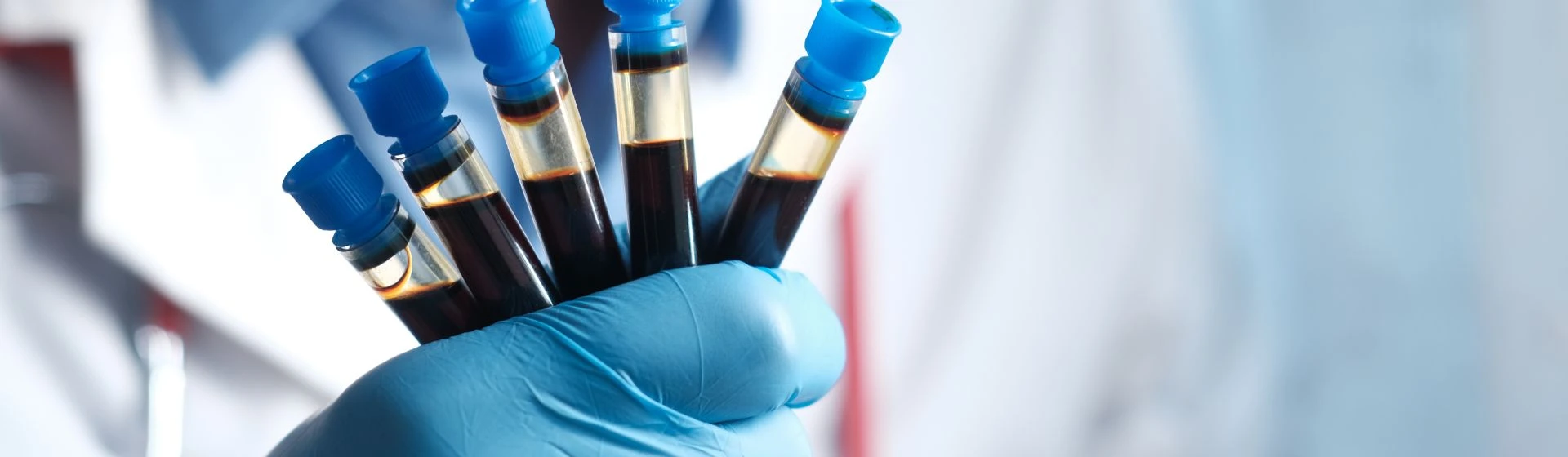
Taking tests at home
Home test collection in Kyiv
Tests are an almost mandatory element in the diagnosis of most diseases. They allow you to quickly obtain accurate information about the condition of various organs and systems, necessary for establishing the correct diagnosis.
Until recently, tests could only be taken at a polyclinic, which posed difficulties for many patients. Now, to undergo laboratory diagnostics, it is no longer necessary to go to the clinic in the morning and stand in line. The medical center "Oxford Medical" provides sample collection at home. Nurses travel to all districts of Kyiv and suburbs within a radius of 30 km.
Who is recommended to take tests at home?
Calling a nurse to the home for sample collection saves time on visiting the clinic and avoids other inconveniences. This paid service is indispensable if diagnostics are needed for small children, seriously ill patients, or simply busy people.
Most often, sample collection at home is ordered for:
-
children;
-
elderly people;
-
patients with acute illnesses;
-
bedridden patients;
-
people with limited physical abilities;
-
patients with weakened immunity who are not recommended to visit crowded places;
-
patients who need to take medications immediately after waking up.
What tests can be taken at home?
At the medical center "Oxford Medical" almost all types of laboratory tests are performed. The most in-demand are:
-
general clinical studies (general blood tests, urine, feces, blood group determination, etc.);
-
biochemical tests (rheumatology tests, kidney and liver tests, etc.);
-
bacteriological studies;
-
blood tests for hormones (TSH, T3, T4, FSH, hCG, testosterone, etc.);
-
tests for infections (herpes, hepatitis, HPV, rubella, Helicobacter pylori, etc.);
-
blood tests for trace elements and electrolytes;
-
blood tests for tumor markers (PSA, onco-hCG, gastrointestinal tumor marker, etc.);
-
microbiological studies;
-
immunological studies;
-
cytological studies;
-
histological studies;
-
genetic studies;
-
allergy tests, etc.
At home, nurses perform blood collection from a vein and finger, swabs from the mouth, nose, and throat, and also accept patient-collected samples of urine, feces, and sputum.
How to prepare for tests at home?
The specifics of preparation depend on the tests the patient needs to take. Sometimes no preparation is needed at all, while in other cases, the accuracy of the results may depend on following medical recommendations.
General rules for preparing for tests:
-
biochemical tests are performed in the morning on an empty stomach – it is recommended not to eat, drink, and, if possible, postpone taking medications;
-
before taking a swab from the mouth/nasopharynx for a PCR test for coronavirus, it is recommended not to eat or drink for 2–3 hours;
-
for a general urine test, the first morning portion is collected;
-
blood tests for female sex hormones are performed on specific days of the menstrual cycle;
-
for blood tests for thyroid hormones, antibodies, infections, and tumor markers, no special preparation is needed.
When tests are prescribed by a doctor or when calling a nurse home, it is advisable to clarify with specialists whether special preparation is needed.
How is the test taken at home?
Sample collection at home consists of several stages:
-
Ordering the service at the clinic "Oxford Medical" – this can be done by calling the contact center or leaving a request on the website.
-
The nurse arrives at the patient’s home at the chosen time.
-
Blood collection for tests using instruments that ensure maximum painlessness of the procedure, as well as receiving other biological samples collected by the patient.
-
Delivery of samples to the laboratory and conducting tests.
-
The patient receives the results by email.
Taking tests at home is a quick and comfortable procedure. If a nurse is called for the morning, the delivery of samples to the laboratory and the tests are carried out the same day, which speeds up the receipt of results. As a rule, tests are completed within a day, but for some more complex ones, it may take 2–3 days or more. In this case, the patient is informed in advance.


Advantages of home sample collection by specialists of "Oxford Medical"

nurses travel to all districts of Kyiv and suburbs for sample collection
the patient can choose a convenient time for the visit
quick and maximally painless blood collection with modern instruments
high accuracy of laboratory diagnostic results


 in the clinic
  online

 Hello!
Let's take care
about your health:

