Contents:
- What an ovarian cyst is
- What should not be done with an ovarian cyst
- What should not be eaten with an ovarian cyst
- When to see a doctor
An ovarian cyst may not cause pronounced symptoms for a long time and is often detected during a routine examination. At the same time, after such a diagnosis is established, patients have many questions regarding the need for treatment, lifestyle, and possible restrictions.
We asked the doctors of «Oxford Medical» which actions should be avoided, how daily habits should be adjusted, and in which cases it is necessary to consult a specialist sooner.
What an ovarian cyst is
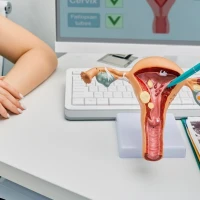
An ovarian cyst is a benign hollow neoplasm filled with liquid or semiliquid contents, which forms in the tissues of the ovary or on its surface. In most cases, such neoplasms are associated with the functioning of the hormonal system and the processes of ovulation.
Functional cysts are most common:
- follicular — forms if the follicle does not rupture during ovulation;
- corpus luteum cyst — occurs after ovulation when fluid accumulates in the corpus luteum.
Such cysts usually may disappear on their own within 1–3 menstrual cycles without special treatment.
In addition to functional ones, there are other types of cysts that require more careful monitoring:
- endometrioid — associated with endometriosis;
- dermoid — contain different types of tissues;
- cystadenomas — are formed from ovarian tissues and may increase in size.
The doctors of «Oxford Medical» note that the management tactics depend on the type of cyst, its size, symptoms, and the patient's age. In some cases, dynamic observation is sufficient; in others, medication treatment or removal of an ovarian cyst by a surgical method may be needed.
Regular examinations and ultrasound examination make it possible to monitor the condition and timely detect changes that require treatment.
What should not be done with an ovarian cyst
.jpg)
In the presence of an ovarian cyst, it is important to observe certain restrictions in order to reduce the risk of complications, such as torsion of the cyst stalk, its rupture, or worsening of symptoms. Even if the formation does not cause pronounced discomfort, the doctor's recommendations should not be ignored.
The main restrictions include:
- intense physical exertion, especially running, jumping, exercises with sudden movements, or lifting weights;
- abdominal exercises and strength training, which increase intra-abdominal pressure;
- heat procedures (hot baths, sauna, warming of the abdomen), which may intensify blood circulation in the pelvic area;
- self-administration of hormonal drugs without consulting a doctor;
- active sexual life in the presence of pain.
It is also not recommended to postpone follow-up examinations and ultrasound examinations. Dynamic observation makes it possible to assess changes in the size of the formation and timely adjust the treatment tactics.
The doctors of «Oxford Medical» note that special caution should be exercised with large cysts or when symptoms appear, because in such cases the risk of complications increases. Any deterioration in well-being is a reason for an unscheduled consultation.
What should not be eaten with an ovarian cyst
Nutrition with the diagnosis of an ovarian cyst plays an auxiliary role, since it affects hormonal balance and metabolism. In the presence of an ovarian cyst, it is worth limiting products that may provoke hormonal fluctuations, inflammatory processes, or fluid retention in the body.
It is recommended to reduce the consumption of:
- fatty and fried food, which creates an additional load on the liver and affects hormone metabolism;
- products with a high sugar content (sweets, baked goods), which may contribute to the development of insulin resistance;
- fast food and semi-finished products, which contain trans fats and food additives;
- an excessive amount of salt, which may provoke fluid retention;
- alcohol and sweet carbonated drinks.
It is also worth limiting the consumption of products with a high content of phytoestrogens, in particular soy products, since they may affect hormonal balance.
The doctors of «Oxford Medical» recommend forming the diet on the basis of balanced nutrition: a sufficient amount of protein, vegetables, fiber, and healthy fats helps maintain a stable hormonal background and reduces the risk of progression of changes. At the same time, it is important to understand that diet does not replace treatment, but is an important component of a comprehensive approach to condition control.
When to see a doctor
In most cases, an ovarian cyst may proceed without symptoms and is detected during a routine examination. However, even in the absence of complaints, it is important to regularly undergo follow-up examinations in order to assess the dynamics of changes.
It is necessary to consult a doctor when the following symptoms appear:
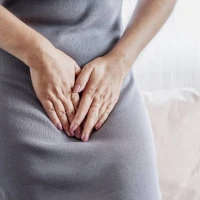
- pain in the lower abdomen, which may be pulling or sharp;
- a feeling of pressure, heaviness, or discomfort in the pelvic area;
- menstrual cycle disturbances;
- unusual or painful menstruation;
- abdominal bloating or a feeling of an increase in its volume;
- pain during sexual intercourse.
Conditions that may indicate complications require immediate medical assistance:
- sudden intense abdominal pain;
- nausea, dizziness, or weakness;
- increased body temperature;
- a sharp deterioration in well-being.
Timely consultation makes it possible not only to establish an accurate diagnosis, but also to choose the optimal tactics — from observation to treatment. Regular monitoring helps prevent complications and preserve reproductive health.
The information in the article is provided for ознакомление and is not an instruction for independent diagnosis and treatment. If symptoms of the disease appear, you should consult a doctor.
Sources:
US National Library of Medicine — MedlinePlus: Ovarian Cysts