Contents:
- Why headaches occur: the most common causes
- Where the head hurts and what pain location may mean
- Headache combined with other symptoms
- How headaches feel in different diseases
- What to do if you have a headache
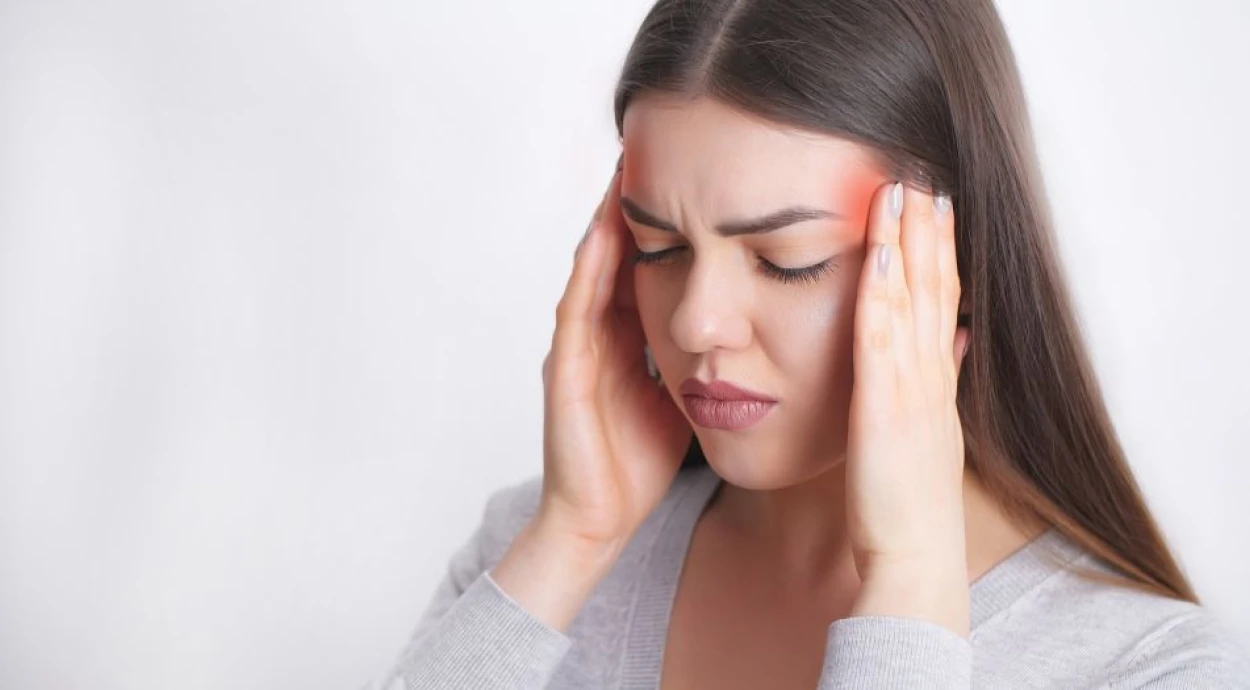
Headache can occur for various reasons — from overwork or lack of sleep to diseases of the nervous system, blood vessels, or ENT organs. In most cases, it is not dangerous, but sometimes it may be one of the first symptoms of conditions that require timely treatment.
In this article, we will look at why headaches occur, what their location may mean, and what diseases different types of pain may indicate. We will also explain which symptoms require special attention, what can be done to relieve the condition, and when it is worth seeing a doctor.
Why headaches occur: the most common causes
Headache can occur both because of temporary external factors and against the background of various diseases. That is why, to determine the cause, it is important to consider not only the location of the pain but also the circumstances in which it appeared.
The most common causes include:
- physical or emotional overwork;
- lack of sleep or sleep schedule disturbances;
- prolonged stress;
- dehydration;
- skipping meals;
- infectious diseases;
- alcohol consumption;
- fluctuations in blood pressure.
Some causes lead to short-term discomfort that goes away after the triggering factor is removed. Others may cause recurrent attacks and require examination.
Why your head hurts every day
Daily headache should not be considered a result of ordinary fatigue, especially if it repeats for several weeks. This symptom may be associated both with lifestyle and with various diseases.
The most common causes are:
- chronic stress and psycho-emotional strain;
- lack of sleep or sleep disorders;
- prolonged work at a computer without breaks;
- diseases of the cervical spine;
- vision problems;
- fluctuations in blood pressure.
One frequent cause of recurrent discomfort is tension headache. It is usually felt as squeezing or pressure on both sides of the head and often worsens after prolonged work, stress, or overstrain of the neck muscles.
If you often have headaches, you should not regularly take painkillers without identifying the cause. In this case, it is important to undergo an examination to determine the source of the pain and choose the right treatment.
Why your head hurts after sleep
If a headache appears immediately after waking up, the cause is not always insufficient sleep. Sometimes discomfort occurs even after a full rest.
The most common causes include:
- an uncomfortable position of the head or neck during sleep;
- too little or, on the contrary, too much sleep;
- sleeping in a poorly ventilated room;
- nighttime increase in blood pressure;
- obstructive sleep apnea syndrome;
- bruxism (teeth grinding during sleep).
If morning headache repeats regularly or is accompanied by other symptoms, it is necessary to see a doctor to find out the cause.
Why your head hurts after alcohol
After drinking alcohol, headache occurs through several mechanisms at once. Alcohol increases fluid loss, disrupts the water-salt balance, dilates blood vessels, and during breakdown forms acetaldehyde — a toxic substance that contributes to the development of a hangover.
As a result, throbbing headache, thirst, weakness, nausea, and increased sensitivity to light may appear. According to Mayo Clinic, dehydration, the effects of acetaldehyde, and sleep disruption are among the main causes of feeling worse after alcohol.
If a severe headache occurs after alcohol and is accompanied by impaired consciousness, repeated vomiting, or seizures, immediate medical help is required.
Why your head hurts when you are hungry
Headache during hunger most often occurs due to a decrease in glucose levels, which is the main source of energy for the brain. Dehydration, long breaks between meals, and excessive coffee consumption can also worsen the condition. This type of pain is usually accompanied by weakness, irritability, reduced concentration, and gradually goes away after eating and drinking enough fluids.
Can magnetic storms cause headaches?
Some people notice that they feel worse during magnetic storms. However, there is currently not enough scientific evidence that geomagnetic activity itself directly causes headaches.
At the same time, weather changes may affect people who have migraine, cardiovascular diseases, or a tendency to blood pressure fluctuations. According to the American Migraine Foundation, in some people, attacks are more often associated with changes in weather conditions than with magnetic storms as such.
Doctors at Oxford Medical recommend maintaining a usual sleep schedule on such days, drinking enough fluids, and avoiding overwork. It is also worth paying attention to your well-being and seeing a doctor if necessary.
Where the head hurts and what pain location may mean
.jpg)
The place where headache occurs may suggest a possible cause to the doctor, but it still does not allow an accurate diagnosis without examination. The same symptom can sometimes occur in different diseases, so the location of pain is always assessed together with its character, duration, and other manifestations.
Why your head hurts at the back
If your head hurts at the back, it is most often associated with:
- overstrain of the neck muscles;
- staying in an uncomfortable position for a long time;
- constant stress;
- diseases of the cervical spine.
Headache in the back of the head may also occur with increased blood pressure or after significant physical exertion.
Doctors at Oxford Medical note: if headache in the back of the head occurs regularly, worsens, appears without an obvious reason, or is accompanied by dizziness, impaired coordination, or numbness of the limbs, it is necessary to consult a neurologist.
Why your forehead hurts
Pain in the forehead area may appear after prolonged work at a computer, lack of sleep, or emotional strain. Headache in the forehead may also occur with viral infections, inflammation of the frontal sinuses, and some ophthalmological diseases.
Doctors at Oxford Medical explain: patients quite often ask what blood pressure means if the head hurts in the front. There is no single answer, because this location is not typical only of either high or low blood pressure.
Why your head hurts behind the ears
Pain behind the ears may be associated with:
- overstrain of the neck muscles;
- inflammatory ear diseases;
- temporomandibular joint disorders;
- irritation of the occipital nerves.
If the ears are blocked and the head hurts at the same time, this may indicate middle ear diseases, impaired patency of the auditory tube, or other ENT conditions. If the pain worsens when chewing, opening the mouth, or is accompanied by ear discharge, a doctor’s examination is necessary.
Why the left side of the head hurts
If the left side of the head and the eye hurt, the cause may be muscle overstrain, migraine, ophthalmological diseases, or other neurological disorders. Unilateral pain is also characteristic of a condition such as cluster headache — it appears suddenly, has very high intensity, and is usually localized around one eye.
Doctors at Oxford Medical warn: if the pain appeared suddenly, rapidly worsens, or is accompanied by weakness, speech impairment, vision problems, or impaired coordination of movements, it is necessary to seek medical help immediately.
Why the right side of the head hurts
If the head hurts on one side, you should not draw conclusions about the cause based only on location. Unilateral pain on the right side may occur with migraine, muscle overstrain, inflammation of the paranasal sinuses, dental diseases, and other conditions.
If pain always occurs only on the right side, repeats, or gradually becomes more intense, it is advisable to undergo an examination. This will help determine the cause and start headache treatment in time, taking the cause into account.
Why your head hurts above the eyes
Pain above the eyes most often occurs due to eye strain, prolonged work at a computer, inflammation of the frontal sinuses, or infectious diseases. In some cases, it worsens when bending the head forward or in bright light.
Doctors at Oxford Medical note: if pain above the eyes is accompanied by eye redness, worsening vision, fever, or pronounced nasal congestion, it is necessary to see a doctor. Such symptoms may be a sign of eye diseases, paranasal sinus diseases, or other conditions.
Headache combined with other symptoms
.jpg)
Headache is often accompanied by other symptoms that help narrow down the possible causes. Below, we look at the most common combinations of symptoms and what conditions they may indicate.
| Symptoms | What it may mean |
| Headache and vomiting | This may occur with migraine, high blood pressure, intoxication, intestinal infections, and other conditions. If vomiting repeats, and the headache appeared suddenly, became very intense, or is accompanied by impaired consciousness, emergency medical help is required. |
| Blocked nose and headache | This combination of symptoms is most often associated with a cold, sinusitis, or maxillary sinusitis. The pain may worsen when bending the head forward and may be accompanied by nasal congestion, thick discharge, or fever. |
| Blurred vision and headache | The cause may be migraine, eye strain, sudden fluctuations in blood pressure, or neurological disorders. Sudden worsening of vision that does not go away within a short time requires special attention. |
| Numb tongue and headache | This symptom may occur with migraine with aura, but sometimes it is a sign of an acute cerebrovascular event. If weakness in an arm or leg, facial asymmetry, or speech impairment appears at the same time, an ambulance should be called immediately. |
| Chills and headache | This most often accompanies viral or bacterial infections, especially at the beginning of the disease. If high fever, neck stiffness, or a rash joins the symptoms, urgent medical help is necessary. |
| Headache and pressure in the ears | This condition may occur with middle ear inflammation, impaired patency of the auditory tube, sinusitis, or sudden changes in atmospheric pressure. If hearing decreases at the same time or ear discharge appears, this may indicate ENT diseases. |
How headaches feel in different diseases
The character of headache often differs depending on its cause. Some diseases cause throbbing pain, while others cause pressing, bursting, or movement-aggravated pain. Although sensations alone cannot establish a diagnosis, they help narrow down the possible causes.
How a headache feels in migraine
Migraine is characterized by attack-like, throbbing pain that most often occurs on one side of the head. An attack may last from 4 to 72 hours and worsen during physical activity.
Migraine is often accompanied by nausea, vomiting, and increased sensitivity to light, sounds, or smells. In some people, an aura occurs before an attack — temporary disturbances of vision, speech, or sensation.
How a headache feels with high blood pressure
Headache with elevated blood pressure occurs more often in the occipital area, especially in the morning. Some people describe it as a feeling of pressure, heaviness, or fullness.
At the same time, it is worth remembering that not every increase in blood pressure is accompanied by headache, and pain itself does not allow the pressure level to be determined without measuring it with a tonometer.
How and where the head hurts with osteochondrosis
Osteochondrosis itself is not always the direct cause of headache. Most often, discomfort occurs due to muscle overstrain, changes in the cervical spine, or irritation of nerve structures.
The pain usually starts in the neck or back of the head and may spread to the temple, parietal area, or forehead. In some patients, the head hurts on top after prolonged sitting, working at a computer, or tension in the neck muscles.
Doctors at Oxford Medical explain: if headache is regularly combined with pain or stiffness in the neck, it is important to establish its true cause. The treatment approach will depend on this.
How a headache feels with maxillary sinusitis
With maxillary sinusitis, pain is usually localized in the cheeks, bridge of the nose, forehead, or around the eyes. It often worsens when bending the head forward, coughing, or making sudden movements.
The following may appear at the same time:
- nasal congestion;
- thick discharge;
- fever;
- a feeling of pressure in the face.
This combination of symptoms helps distinguish maxillary sinusitis from other causes of headache.
How a headache feels with meningitis
With meningitis, the headache is usually very severe, increases rapidly, and does not decrease after ordinary painkillers. It is often accompanied by high fever, nausea, vomiting, and pronounced stiffness of the neck muscles.
Meningitis is an emergency condition that requires urgent medical help. According to the World Health Organization, early diagnosis and timely treatment significantly reduce the risk of severe complications.
How a headache feels during a stroke
During a stroke, headache does not always occur, but if it appears, it is usually sudden and may be very intense. However, the most important signs of stroke are not the headache itself but its combination with:
- weakness in an arm or leg;
- facial asymmetry;
- speech impairment;
- impaired coordination or vision.
In this situation, an ambulance should be called immediately.
How a headache feels with a tumor
Headache with brain tumors more often has a gradual onset and becomes more intense over time. It may be more disturbing in the morning and may worsen during coughing, sneezing, or physical strain.
At the same time, pain alone is not a specific sign of a tumor. Its combination with other symptoms is more significant, including persistent vomiting, seizures, speech impairment, coordination problems, vision problems, or behavioral changes.
Doctors at Oxford Medical recommend not linking long-lasting headache to the worst scenarios, but also not ignoring it if it changes its character, occurs more often, or is accompanied by neurological symptoms.
What to do if you have a headache
.jpg)
If a headache has appeared for the first time, is moderate in intensity, and is associated with overwork, lack of sleep, or stress, simple measures often help. However, if the pain repeats, becomes stronger, or is accompanied by other alarming symptoms, it is important not only to relieve discomfort but also to identify its cause.
Doctors at Oxford Medical recommend the following for headache:
- rest in a quiet, well-ventilated room;
- drink enough water if there are signs of dehydration;
- avoid bright light and loud sounds;
- do not skip meals if the pain may be related to hunger;
- measure blood pressure if there is a suspicion that it has increased or decreased;
- take painkillers only according to the instructions or a doctor’s recommendations.
If attacks repeat, become longer, or change their character, additional examination may be needed. In such cases, headache treatment should primarily be aimed at eliminating its cause, not only at temporarily relieving symptoms.
What to do when you have a headache and pills do not help
If the pain does not decrease after taking a painkiller or quickly returns, you should not immediately take an additional dose or another medication. First, it is worth resting, drinking enough water, measuring blood pressure, and paying attention to other symptoms that may help determine the cause of the pain.
If headache lasts for several hours, repeats regularly, or usual medications have stopped working, it is necessary to see a doctor. In this situation, it is important not just to relieve the symptom but to find out its cause and adjust treatment if necessary.
What not to do when you have a headache
Some common actions may not only fail to help but also worsen your well-being.
It is not recommended to:
- increase the dose of painkillers uncontrollably;
- take several painkillers at the same time without a doctor’s recommendation;
- drink alcohol as a way to relieve pain;
- continue intense physical work if the pain worsens during exertion;
- postpone examination if headache is accompanied by other unusual symptoms.
Doctors at Oxford Medical recommend avoiding self-medication if headache repeats regularly or the usual methods no longer help. Timely examination makes it possible to determine the cause of symptoms and choose effective treatment.
Which doctor to see when you have a headache
If a headache has appeared for the first time, repeats regularly, or changes its character, it is best to first make an appointment for a neurologist consultation. The doctor will ask detailed questions about the symptoms, perform a neurological examination, and prescribe additional tests if needed.
Depending on the clinical situation, the following may be recommended:
- blood pressure measurement;
- laboratory tests;
- CT scan of the brain or MRI, if there are relevant indications;
- ultrasound examination of the vessels of the neck and head;
- consultation with an ophthalmologist, otolaryngologist, cardiologist, or other specialized doctors.
Headache can occur for various reasons — from overwork or lack of sleep to diseases that require timely treatment. If it repeats, changes its character, or is accompanied by other symptoms, you should not limit yourself to painkillers only. Timely medical consultation helps determine the cause of the pain, choose effective treatment, and prevent complications.
The information in this article is provided for informational purposes and is not an instruction for self-diagnosis or self-treatment. If symptoms of a disease appear, you should consult a doctor.
Sources: