Contents:
- What Is Heartburn
- Causes of Heartburn
- Symptoms of Heartburn
- What Helps Relieve Heartburn
- How to Get Rid of Heartburn at Home
- How to Treat Heartburn
- Heartburn Prevention
Heartburn is familiar to many people. It may appear after a heavy dinner, spicy dishes, or coffee, but sometimes it starts to bother a person regularly, regardless of diet. Persistent discomfort can worsen sleep, reduce appetite, and affect quality of life, so this symptom should not be ignored.
Although many people try to manage heartburn on their own, home methods or over-the-counter medications do not always help eliminate its cause. If the symptom recurs often or becomes more intense, it is important to find out what exactly triggers it and choose appropriate treatment.
In this article, we will look at what causes heartburn, what symptoms may accompany it, and what helps with heartburn. We will also explain when it is necessary to see a doctor, what examinations may be needed, and how treatment is carried out depending on the disease that caused heartburn.
What Is Heartburn
Heartburn is a burning sensation behind the breastbone that occurs when acidic stomach contents enter the esophagus. It is not a separate disease but is considered a symptom that may occur occasionally or recur regularly. If heartburn bothers a person often, it may indicate a disorder of the upper digestive tract.
Normally, the lower esophageal sphincter is located between the stomach and the esophagus — a muscular ring that acts as a natural valve. After food passes through, it closes and prevents stomach contents from moving back. If this mechanism is disrupted, acid enters the esophagus and irritates its mucous membrane.
Doctors at Oxford Medical explain: a single episode of heartburn by itself does not always indicate a disease. However, regular occurrence of this symptom is a reason to undergo an examination in order to determine its cause and, if necessary, start treatment in a timely manner.
Causes of Heartburn
The causes of heartburn may be related both to lifestyle and dietary habits and to diseases of the digestive organs. If the unpleasant sensation occurs rarely, it is often associated with overeating or consuming certain foods. Regular discomfort may indicate a disorder of the esophagus or stomach, so it requires medical evaluation.
The most common causes of heartburn include:
- overeating;
- excessive consumption of fatty, fried, or spicy foods;
- late dinner or the habit of lying down immediately after eating;
- excess body weight;
- smoking and alcohol abuse;
- taking certain medications;
- diseases of the digestive system, including GERD, gastritis, hiatal hernia, and others.
According to the National Institute of Diabetes and Digestive and Kidney Diseases (NIDDK), the most common cause of chronic heartburn is GERD, or gastroesophageal reflux disease.
Why Heartburn Occurs After Eating
After eating, the stomach stretches and produces more acid to digest food. If the portion was too large or contained a lot of fat, the digestion process slows down, and the likelihood of stomach contents flowing back into the esophagus increases.
Most often, discomfort occurs 30–60 minutes after a meal. It may also be triggered by bending forward, physical activity, or lying down immediately after lunch or dinner.
Why Heartburn Occurs in the Morning
Morning heartburn often occurs after nighttime reflux. This may happen if a person eats a heavy dinner before bedtime, sleeps on a low pillow, or has diseases accompanied by frequent reflux of stomach contents into the esophagus.
Doctors at Oxford Medical explain: if heartburn regularly occurs at night or in the morning, it is not enough to limit treatment to temporary symptom relief. It is important to determine the cause of this condition, because prolonged reflux can lead to inflammation of the esophageal mucosa.
Which Foods Cause Heartburn
There is no universal list of foods that cause heartburn in everyone. The body's reaction is individual, but some foods more often provoke discomfort.
These include:
- fatty and fried foods;
- hot spices;
- chocolate;
- citrus fruits;
- tomatoes and tomato-based dishes;
- onions;
- coffee;
- carbonated drinks;
- alcohol.
If heartburn occurs regularly, it is useful to keep a food diary. This helps identify individual trigger foods and avoid them specifically, rather than restricting the diet unnecessarily.
Can Water Cause Heartburn
Plain drinking water itself is not a cause of heartburn. However, in some people, discomfort may occur after quickly drinking a large volume of liquid or when drinking it together with a large portion of food. This temporarily increases the volume of stomach contents and may trigger reflux.
Sometimes unpleasant sensations appear after carbonated mineral water because carbon dioxide increases pressure inside the stomach. If heartburn recurs even after plain water, it is worth consulting a doctor, because this may indicate not a reaction to water but the presence of a digestive disease.
Symptoms of Heartburn
.jpg)
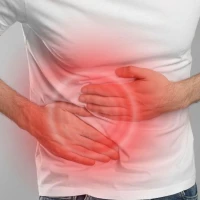
Heartburn can manifest in different ways: in some people it occurs only occasionally after meals, while in others it recurs regularly and significantly worsens well-being. The intensity of symptoms also varies — from mild discomfort to pronounced burning that lasts for several hours and may interfere with everyday activity.
How Heartburn Manifests
Heartburn symptoms that most often accompany this condition include:
- burning behind the breastbone;
- a sour or bitter taste in the mouth;
- sour belching;
- a feeling of food or acidic contents coming back into the throat;
- worsening discomfort after meals, during bending, or when lying down.
In some people, heartburn is also accompanied by a sore throat, hoarseness, coughing, or a feeling of throat irritation. Such extraesophageal manifestations may also occur with reflux, as noted in the recommendations of the American College of Gastroenterology.
Heartburn in the Stomach and in the Heart Area
Some people describe unpleasant sensations as burning in the stomach area, while others describe them as discomfort behind the breastbone. That is why heartburn in the heart area often causes concern, because it can be confused with heart pain.
Doctors at Oxford Medical explain: if burning occurs after eating, worsens when lying down or bending, and is accompanied by sour belching or a bitter taste in the mouth, the most likely cause is a digestive system disease. At the same time, severe squeezing pain in the chest that radiates to the arm, shoulder, neck, or lower jaw and is accompanied by shortness of breath, cold sweat, or sudden weakness requires an immediate call for emergency medical help.
Frequent Heartburn: When to See a Doctor
Single episodes of heartburn may occur even in healthy people. However, if the symptom recurs regularly or becomes worse, it is worth consulting a gastroenterologist for diagnosis.
A doctor's consultation is necessary if:
- discomfort occurs two or more times a week;
- discomfort does not go away after changes in diet or lifestyle;
- medications have to be taken regularly to relieve symptoms;
- difficulty or pain when swallowing appears;
- heartburn is accompanied by vomiting, weight loss, or blood in vomit or stool.
Doctors at Oxford Medical explain: regular heartburn is not normal. If the symptom recurs often, it is important to undergo an examination in a timely manner, because prolonged exposure of the esophageal mucosa to acidic stomach contents can lead to the development of esophagitis and other complications.
.jpg)
What Helps Relieve Heartburn
The condition can be relieved in different ways. If discomfort occurs occasionally, it is often enough to avoid overeating or temporarily give up foods that provoke discomfort. If the symptom recurs regularly, it is important not only to eliminate unpleasant sensations but also to determine the cause and choose appropriate treatment.
What to Drink for Heartburn
During an episode, you can drink a few sips of non-carbonated water at room temperature. It helps wash away remnants of acidic contents from the walls of the esophagus and temporarily reduce irritation.
You should not drink a large volume of liquid right away. This can stretch the stomach and, on the contrary, intensify discomfort. It is also not recommended to drink carbonated beverages, strong coffee, alcohol, or acidic juices.
What to Take for Heartburn
The choice of medications depends on the cause of the symptom. Antacids, alginates, or medications that reduce the production of stomach acid may be used to improve well-being. Each of these groups has its own indications, contraindications, and specific features of use.
Doctors at Oxford Medical recommend: do not take heartburn medications for more than a few days without an examination. If the symptom keeps returning, it is important to treat not only its manifestations but also the disease that causes them.
What to Do When Heartburn Is Severe
During an episode, you can try simple measures that often help reduce discomfort:
- remain sitting or standing;
- unbutton or loosen tight clothing;
- avoid bending and physical exertion;
- do not continue eating if the symptom has already appeared;
- if possible, walk a little at a calm pace.
If discomfort occurs after dinner, it is advisable not to lie down for at least 2–3 hours.
How to Relieve Heartburn Without Medication
In many cases, heartburn can be relieved by correcting daily habits.
For this purpose, it is recommended to:
- eat slowly and chew food thoroughly;
- avoid large portions;
- not lie down after eating;
- sleep with the head of the bed slightly elevated if the symptom occurs at night;
- avoid clothing that strongly compresses the abdomen.
These measures are especially effective for occasional heartburn and can significantly reduce how often it occurs.
Does Milk Help with Heartburn
After a few sips of milk, discomfort may temporarily decrease. However, this effect is short-lived. In addition, full-fat milk can stimulate the production of gastric juice, which may cause the symptom to return after some time. That is why milk is not considered an effective way to fight heartburn and is not recommended as the main method of symptom relief.
Can You Drink Baking Soda for Heartburn
Drinking baking soda for heartburn is not recommended. It quickly neutralizes acid, but this effect is short-term. After some time, acid production may even increase, so the discomfort returns.
In addition, as stated in the recommendations of the National Health Service (NHS), regular use of baking soda can disrupt the body's acid-base balance and also cause bloating. That is why this method is not considered safe.
How to Get Rid of Heartburn at Home
If heartburn occurs rarely, in many cases it is enough to adjust the diet and some everyday habits. This helps reduce the frequency of symptoms and improve well-being.
What to Eat for Heartburn
Meals should be regular and taken in small portions. Preference should be given to dishes that are easy to digest and do not irritate the mucous membrane of the digestive tract.
The diet may include:
- oatmeal, buckwheat, or rice porridge;
- vegetable soups;
- boiled, stewed, or baked lean meat;
- lean fish;
- stewed or baked vegetables;
- bananas;
- fermented dairy products with low fat content;
- steamed omelet;
- dried bread or crackers.
If discomfort worsens after a certain product, it should be temporarily excluded, even if it is included in the list of recommended foods.
Diet for Heartburn
There is no universal diet for this condition. The main goal is to reduce the burden on the digestive system and avoid individual triggers.
For this purpose, it is recommended to:
- eat 4–5 times a day in small portions;
- not overeat;
- have dinner 2–3 hours before bedtime;
- chew food thoroughly;
- limit fatty, fried, and spicy dishes;
- consume less chocolate, coffee, strong tea, carbonated drinks, and alcohol.
Doctors at Oxford Medical recommend: do not exclude a large number of foods from the diet at once. It is more useful to identify individual food triggers and adjust the menu so that it remains complete and balanced.
Weekly Menu for Heartburn
The diet should be varied, with a sufficient amount of protein, complex carbohydrates, and vegetables. Below is an example menu that can be used as a basis.
| Day | Breakfast | Lunch | Dinner |
| Monday | Oatmeal, banana | Vegetable soup, chicken fillet, buckwheat | Baked fish, stewed vegetables |
| Tuesday | Steamed omelet, toast | Cream soup, turkey with rice | Cottage cheese, baked apple |
| Wednesday | Buckwheat porridge | Vegetable soup, steamed meatballs | Baked fish, mashed potatoes |
| Thursday | Oatmeal | Chicken broth, rice, boiled meat | Steamed omelet, stewed vegetables |
| Friday | Cottage cheese | Baked fish, buckwheat | Vegetable stew with turkey |
| Saturday | Rice porridge | Vegetable soup, chicken fillet | Baked vegetables and fish |
| Sunday | Steamed omelet | Soup with vegetables, stewed turkey | Oatmeal or cottage cheese |
The menu is approximate. It can be adapted according to individual characteristics and doctor's recommendations.
What Water to Drink for Heartburn
The best choice is plain non-carbonated drinking water at room temperature. It is advisable to drink it in small portions throughout the day rather than in a large volume at once.
Carbonated drinks are better limited because they can increase belching and the feeling of stomach fullness. In some people, discomfort is also triggered by very cold or too hot drinks, so preference should be given to water at a comfortable temperature.
How to Treat Heartburn
.jpg)
Treatment of heartburn depends on the cause of its occurrence. If the symptom appears only occasionally, it is often enough to adjust diet and lifestyle. However, with regular discomfort or the appearance of warning symptoms, it is necessary to establish an accurate diagnosis, because the same manifestations may accompany different diseases of the digestive system.
To determine the cause, the doctor may recommend EGD (esophagogastroduodenoscopy) — an endoscopic examination that allows the mucous membrane of the esophagus, stomach, and duodenum to be examined. If it is necessary to assess the condition of the liver, gallbladder, pancreas, and other abdominal organs, abdominal ultrasound may additionally be prescribed. Laboratory tests or tests for Helicobacter pylori are also performed when indicated.
After determining the cause, the doctor selects treatment individually. Depending on the clinical situation, the following may be used:
- antacids — to quickly neutralize excess acid and temporarily relieve symptoms;
- alginates — to form a protective barrier that reduces the entry of acidic stomach contents into the esophagus;
- medications that reduce stomach acid production if the cause is a digestive system disease.
If Helicobacter pylori bacteria are detected during the examination, the doctor may recommend Helicobacter pylori eradication — a course of combination therapy that helps completely eliminate the infection. In each case, the treatment regimen is selected individually, taking into account the established diagnosis and the severity of symptoms.
Doctors at Oxford Medical recommend: even if heartburn disappears after treatment begins, do not change the dosage on your own and do not stop taking the prescribed medications. Completing the full course of therapy helps achieve a stable result and reduce the risk of symptoms returning.
Heartburn Prevention
Following simple recommendations helps significantly reduce the frequency of symptoms and lower the risk of recurrence. For prevention, it is recommended to:
- eat regularly, without long breaks and overeating;
- not lie down immediately after eating;
- limit foods and drinks after which discomfort usually occurs;
- quit smoking or reduce the number of cigarettes smoked as much as possible;
- limit alcohol consumption;
- avoid clothing that strongly compresses the abdomen;
- not take medications without a doctor's prescription.
If heartburn appears regularly or changes its character, an examination should not be postponed. Timely identification of the cause makes it possible to start treatment at an early stage and prevent the development of complications.
The information in this article is provided for informational purposes and is not an instruction for self-diagnosis or self-treatment. If symptoms of a disease appear, you should consult a doctor.
Sources:
US National Library of Medicine
National Institute of Diabetes and Digestive and Kidney Diseases