Contents:
- What is an anal fissure
- What an anal fissure looks like
- What to do with an anal fissure: first steps
- How to treat an anal fissure at home
- When to see a doctor
Pain, burning, or blood after defecation is often associated with hemorrhoids, although an anal fissure is often the cause of these symptoms. Because the problem is delicate, many people postpone visiting a doctor and try to treat themselves. However, without proper medical care, a small injury to the mucous membrane can become chronic and cause persistent discomfort.
In this article, we will discuss what an anal fissure is, what it looks like, why it occurs, which symptoms may accompany it, and what to do when the first signs of the disease appear. We will also explain which treatment methods are used at home and in which cases it is necessary to see a doctor.
What is an anal fissure
An anal fissure is a small tear in the mucous membrane of the anal canal that occurs as a result of injury. Most often, the injury appears when hard fecal masses pass through, but it can also develop after prolonged diarrhea, childbirth, or other conditions accompanied by excessive strain on the anal canal. The main manifestations are sharp pain during defecation, minor bleeding, and spasm of the anal sphincter.
According to US National Library of Medicine, an anal fissure is one of the most common benign diseases of the anorectal area and can occur in people of any age. Without timely treatment, damage to the mucous membrane can become chronic.
Most often, the fissure is located on the posterior wall of the anal canal, less often on the anterior wall. Despite its small size, it can cause intense pain because a large number of nerve endings are concentrated in this area.
After a fissure forms, a reflex spasm of the anal sphincter often occurs. It worsens the blood supply to the damaged area, which slows healing, while pain and discomfort may persist even after defecation is complete.
Doctors at Oxford Medical note that an anal fissure is not always an independent disease. It may develop against the background of other proctological conditions or bowel movement disorders, so for successful treatment it is important not only to eliminate the fissure itself, but also to identify and eliminate the cause of its appearance.
What an anal fissure looks like
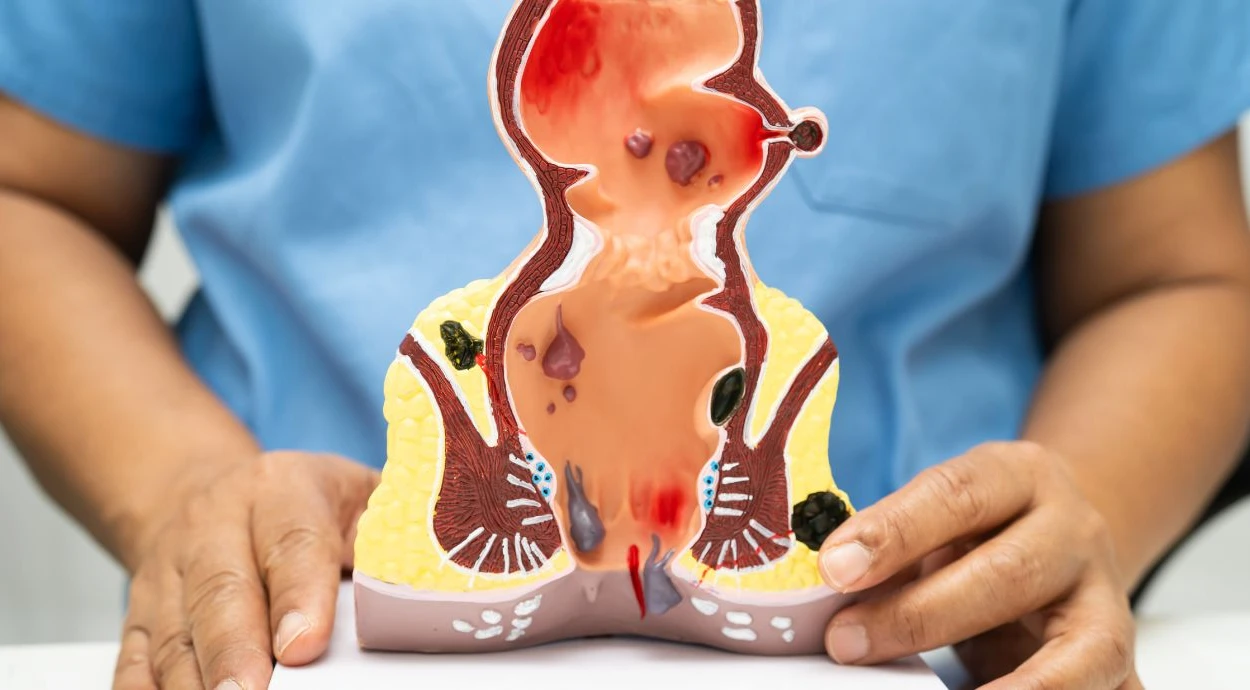
The appearance of an anal fissure depends on how long ago it occurred. In the early stages, the injury looks like a small fresh wound with smooth edges. If the fissure has existed for a long time and does not heal, its edges gradually become thickened, and characteristic chronic changes appear around it.
An anal fissure may look like:
- a small longitudinal tear in the mucous membrane of the anal canal;
- a bright red wound with fresh edges;
- an area with minor bleeding;
- a thickened or scar-altered injury in a chronic course;
- a small thickening near the outer edge of the fissure (“sentinel pile”), which may form during a prolonged course of the disease.
It is not always possible to assess what an anal fissure looks like on your own. In most cases, it is located inside the anal canal, so without a special examination it is practically impossible to assess its size and condition.
Doctors at Oxford Medical recommend not drawing conclusions based only on external manifestations. Similar symptoms may also occur with hemorrhoids, proctitis, fistulas, and other diseases of the anorectal area, so an accurate diagnosis is made after a proctological examination.
How an anal fissure hurts
.jpg)
Pain is the most characteristic symptom of an anal fissure. Most often, it occurs during defecation, but it may persist for several minutes to several hours afterward. The intensity of pain depends on the depth of the injury, the severity of anal sphincter spasm, and the form of the disease.
Patients describe the pain differently. Most often, it manifests as:
- sharp or “cutting” pain during the passage of fecal masses;
- severe burning after defecation;
- a feeling of spasm or tightening in the anal area;
- throbbing pain that may worsen while sitting or during physical activity;
- mild discomfort between bowel movements in a mild course of the disease.
In many people, the pain is so intense that fear of the next bowel movement appears. Because of this, a person consciously postpones going to the toilet, which leads to compaction of fecal masses and constipation. As a result, during the next bowel movement, the mucous membrane is injured again, and the pain becomes even stronger.
Sometimes the pain syndrome is accompanied by minor bleeding, with drops of blood appearing on toilet paper or on the surface of fecal masses. Some patients also experience itching in the anus, burning, and a feeling of irritation after defecation.
Doctors at Oxford Medical recommend not tolerating pain and not waiting for the symptoms to disappear on their own. If discomfort recurs after every bowel movement or gradually intensifies, it is necessary to see a specialist, because timely treatment significantly reduces the risk of the fissure becoming chronic.
Acute and chronic form: what is the difference
An anal fissure can occur in two forms: acute and chronic. The main difference between them is the duration of the disease, the condition of the damaged tissues, and the approaches to treatment. While an acute fissure often heals with timely therapy, a chronic fissure responds much worse to conservative treatment.
| Feature | Acute anal fissure | Chronic anal fissure |
| Duration | Up to 6–8 weeks | More than 6–8 weeks |
| Appearance | Fresh injury with smooth edges | Thickened edges, scar changes, possible “sentinel pile” |
| Pain | Severe during defecation, gradually subsides | May last for several hours after defecation and recur regularly |
In an acute anal fissure, the damage to the mucous membrane has not yet undergone scar changes. If the cause of injury is eliminated and treatment is started at an early stage, in most cases the fissure heals within several weeks.
If the injury is constantly traumatized by hard fecal masses or anal sphincter spasm persists, the healing process is disrupted. Over time, the edges of the fissure thicken, scar tissue and a characteristic “sentinel pile” form, and pain, bleeding, and discomfort begin to occur almost after every bowel movement. In such cases, treatment of anal fissures may require not only medication therapy, but also minimally invasive or surgical methods.
What to do with an anal fissure: first steps
If pain, burning, or blood on toilet paper appears after defecation, these symptoms should not be ignored or treated on your own. The first steps help reduce discomfort and prevent further injury to the mucous membrane before a doctor’s examination.
First of all, it is recommended to:
- wash with warm water after defecation instead of intensive use of toilet paper;
- not suppress the urge to defecate and avoid excessive straining;
- temporarily avoid spicy food and alcohol, which may increase irritation;
- avoid lifting heavy objects and prolonged sitting if this worsens the pain;
- see a doctor if pain or bleeding recurs or worsens.
Doctors at Oxford Medical explain that many patients look for information on how to quickly treat a fissure in the anus, but the speed of healing depends primarily on the correctly identified cause of the disease and timely treatment. That is why, when the first symptoms appear, it is important not to postpone seeing a specialist.
How to treat an anal fissure at home
.jpg)
Treatment at home is possible if the anal fissure appeared recently and is not accompanied by complications. The treatment plan should be selected by a doctor depending on the cause of the disease, the severity of symptoms, and the individual characteristics of the patient. The main goals of treatment are to reduce pain, heal the mucous membrane, and prevent repeated injury.
The main components of conservative therapy are local medications, dietary correction, and elimination of factors that maintain injury to the mucous membrane.
Local remedies: ointments, suppositories, baths
Local treatment helps reduce pain, inflammation, and anal sphincter spasm, as well as speed up the healing of damaged tissues. A specific medication is selected by the doctor after examination, since different remedies have different mechanisms of action.
Depending on the clinical situation, the following may be used:
- ointments or creams that promote healing of the mucous membrane;
- rectal suppositories to reduce inflammation and pain;
- medications that help reduce anal sphincter spasm;
- warm sitz baths for 10–15 minutes several times a day, especially after defecation, to reduce discomfort and relax the muscles.
Doctors at Oxford Medical emphasize: if an anal fissure developed against the background of hemorrhoids or is combined with them, treatment should be comprehensive. In this case, it is important not only to eliminate the fissure, but also to timely treat hemorrhoids, because without eliminating the main cause, symptoms may recur and healing of the mucous membrane may slow down.
Diet for an anal fissure
Nutrition is an important component of treatment, as it helps reduce the risk of repeated injury to the mucous membrane during defecation. The main task of the diet is to ensure regular and comfortable bowel movements without excessive straining.
It is recommended to:
- eat vegetables, fruits, berries, and greens every day;
- include whole-grain cereals and bread made from coarse flour in the diet;
- regularly consume fermented dairy products if there are no contraindications;
- drink enough water throughout the day;
- limit spicy foods, alcohol, and products that may irritate the mucous membrane.
If, despite changes in diet, bowel movements remain irregular or symptoms do not decrease, a repeated assessment of the condition by a doctor and, if necessary, correction of treatment are required.
When to see a doctor
.jpg)
It is advisable to see a doctor as soon as the first symptoms of an anal fissure appear. Timely treatment significantly increases the likelihood of complete healing and reduces the risk of the disease becoming chronic.
Do not postpone a consultation with a proctologist if:
- pain during or after defecation persists for more than several days;
- bleeding recurs or becomes more intense;
- the pain is so severe that fear of defecation appears;
- symptoms do not decrease despite home treatment;
- purulent discharge appears, body temperature rises, or general well-being worsens;
- the anal fissure recurs or does not heal within 6–8 weeks.
During the appointment, the doctor will perform an examination and determine the cause of the symptoms. If necessary, additional examinations may be prescribed. For example, having a colonoscopy is recommended in cases where concomitant diseases of the large intestine are suspected, bleeding is not related only to the fissure, or other warning symptoms are present.
It is better not to wait until the pain becomes constant or the disease becomes chronic. Early referral to a specialist makes it possible to eliminate symptoms faster, avoid complications, and in many cases avoid surgical treatment.
The information in this article is provided for informational purposes only and is not an instruction for self-diagnosis or self-treatment. If symptoms of a disease appear, you should consult a doctor.
Sources:
US National Library of Medicine