


Most often, a consultation with a neurologist is recommended. The doctor performs an examination, determines the possible cause of the symptoms and, if necessary, prescribes additional examinations, after which determines the treatment tactics.
Sign up via call center 
 Adults Adults Adults Adults Adults Adults Adults Adults Adults
  Children Children Children Children
Department
Adults Outpatient department
Adults Outpatient department
Inpatient department
Adults Inpatient department
Aesthetic medicine
Adults Aesthetic medicine
Dentistry
Adults Dentistry
Plastic surgery
Adults Plastic surgery
Diagnostics
Adults Diagnostics
Analyzes
Adults Analyzes
Outbound services
Adults Outbound services
Children Outpatient department
Children Outpatient department
Dentistry
Children Dentistry
Diagnostics
Children Diagnostics

Kyiv


 Hotline:
 Request a call:


Department
Adults Outpatient department
Adults Outpatient department
Inpatient department
Adults Inpatient department
Aesthetic medicine
Adults Aesthetic medicine
Dentistry
Adults Dentistry
Plastic surgery
Adults Plastic surgery
Diagnostics
Adults Diagnostics
Analyzes
Adults Analyzes
Outbound services
Adults Outbound services
Children Outpatient department
Children Outpatient department
Dentistry
Children Dentistry
Diagnostics
Children Diagnostics
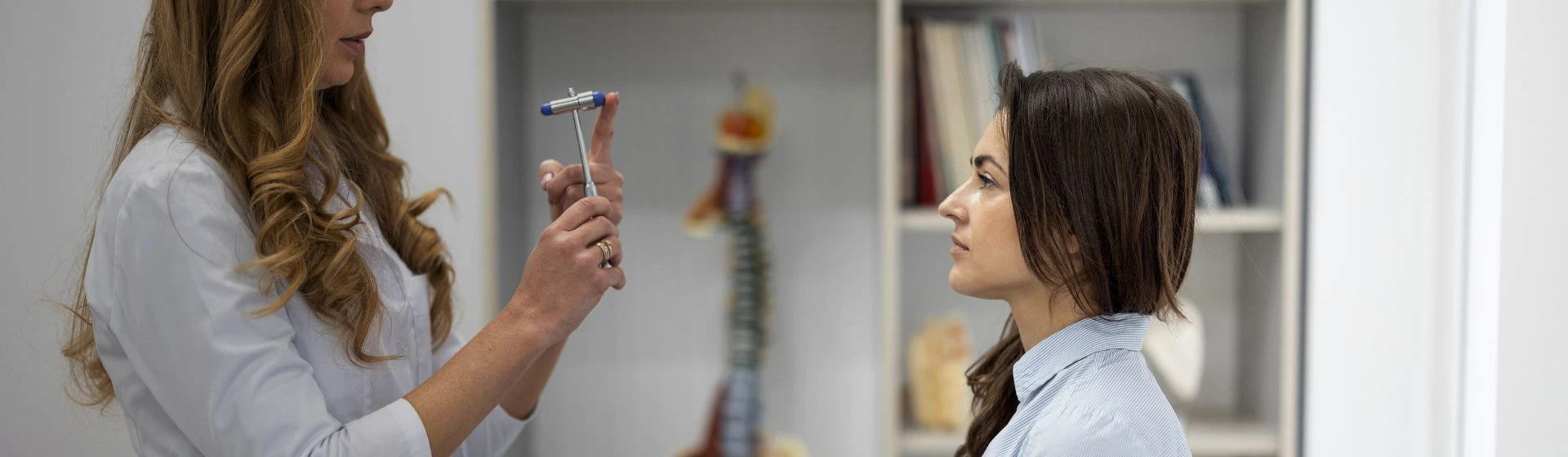
Headache treatment
Cost of services
Services

Biopuncture, 1 session (excluding the cost of medications)
449.00 ₴
Sign up by the call center
Biopuncture, 5 sessions (excluding the cost of medications)
2189.00 ₴
Sign up by the call center
Paravertebral blockade of the 1st category of complexity (excluding the cost of medications)
649.00 ₴
Sign up by the call center
Paravertebral blockade of the II category of complexity (without the cost of medications)
789.00 ₴
Sign up by the call center
Peripheral nerve block (without medication cost)
549.00 ₴
Sign up by the call center
Headache is one of the most common complaints with which people consult a doctor. According to the World Health Organization (WHO), about 52% of adults in the world experience a headache at least once during the year. If you often have a headache, you should not ignore this symptom or constantly take pain-relieving medications without consulting a specialist. Headache may be not only a consequence of overwork or stress, but also a sign of neurological, vascular, endocrine, and other diseases.
At the Oxford Medical clinic, diagnostics of the causes of headache are performed and individual treatment is selected. Make an appointment for a consultation at a convenient time for you by phone or through the online appointment form on the website.
Main causes of headache
The cause of headache is not always obvious. In some cases, discomfort occurs after lack of sleep or emotional overstrain, in others it is related to diseases of the nervous system, blood vessels, spine, or internal organs.
The most common causes of headache include:
-
stress, chronic fatigue, and overwork;
-
sleep schedule disorders;
-
increase or decrease in blood pressure;
-
prolonged overstrain of the neck and head muscles;
-
diseases of the cervical spine, in particular osteochondrosis;
-
acute and chronic infectious diseases;
-
hormonal disorders;
-
consequences of injuries, in particular craniocerebral injuries;
-
diseases of the blood vessels of the brain.
Doctors of “Oxford Medical” recommend not self-medicating if pain attacks recur regularly or become more intense. Even if the symptoms seem familiar, it is important to establish their cause and exclude diseases that require medical care.
Symptoms and types of headache
Headache symptoms may differ significantly depending on the cause of its occurrence. To establish a diagnosis, the doctor takes into account the localization of pain, its character, intensity, duration of attacks, frequency of occurrence, and accompanying symptoms.
According to the headache classification by International Classification of Headache Disorders, 3rd edition (ICHD-3), more than 200 varieties are described today. However, doctors most often diagnose several common forms that have characteristic clinical manifestations.
| Type of headache | Characteristic symptoms |
| Migraine | Intense, often unilateral throbbing pain, which may be accompanied by nausea, vomiting, increased sensitivity to light, sounds, and smells. |
| The most common type. It often has a squeezing character, is felt as pressure or a hoop around the head, and often occurs after stress or overwork. | |
| Very intense attack-like pain, which is usually localized on one side of the head, most often around the eye or in the temple area. |
In addition to these forms, there are also other types of cephalalgia related to diseases of the nervous system, blood vessels, cervical spine, consequences of injuries, and other pathological conditions.
For diagnostics, the features of pain sensations are important. Pain may occur in the forehead, in the temple, in the back of the head, around the eyes, or spread to the entire head. By character, pain in the head may be throbbing, squeezing, aching, stabbing, or bursting.
Doctors of “Oxford Medical” recommend consulting a specialist if daily headache is a concern, attacks become more frequent, or a severe headache occurs that was not previously observed. In such cases, it is important to undergo diagnostics and exclude diseases that may be the cause of the symptoms.
Diagnostic methods for headaches
Since headache can be a symptom of dozens of different diseases, it is important not only to eliminate unpleasant sensations, but also to establish their cause. That is why diagnostics begins with a detailed analysis of the patient's complaints and assessment of the features of pain attacks.
The first stage of the examination is an examination by a neurologist. The doctor clarifies the localization, character, and frequency of pain, the presence of accompanying symptoms, previous diseases, and possible factors that provoke attacks.
If necessary, additional studies may be prescribed:
-
ultrasound examination of the vessels of the neck and head (ultrasound) to assess blood flow and detect possible disorders in the functioning of the vessels;
-
electroencephalography (EEG) — a method of studying the electrical activity of the brain, which helps detect functional disorders;
-
computed tomography (CT) — an X-ray examination method that allows obtaining layered images of the structures of the head and detecting pathological changes;
-
MRI of the head and neck — a magnetic resonance imaging method for detailed assessment of brain structures, vessels, and the cervical spine;
-
laboratory tests to assess the general condition of the body and detect possible disorders.
Differential diagnosis of headache occupies an important place, as it allows distinguishing migraine from tension-type headache, excluding vascular disorders, consequences of injuries, inflammatory processes, and other diseases with similar symptoms.
Doctors of “Oxford Medical” recommend not limiting oneself to taking pain-relieving medications if attacks recur regularly. Timely examination helps establish an accurate diagnosis and select the most effective treatment tactics.
Headache treatment
Treatment tactics depend on the cause of the symptoms, the frequency of attacks, their intensity, and the patient's general health condition. Therefore, for headache, treatment requires an individual approach and preliminary diagnostics.
If pain is a manifestation of another disease, treatment is primarily directed at eliminating the underlying cause. In many cases, this makes it possible to significantly reduce the frequency and intensity of attacks or completely get rid of symptoms.
Depending on the established diagnosis and the causes of pain, different treatment methods may be used, which are often combined with each other to achieve the best result:
-
medication therapy — used to relieve acute pain attacks and prevent their recurrence;
-
treatment of concomitant diseases — necessary in cases when pain is a symptom of another pathology;
-
physiotherapeutic procedures — help improve blood circulation, reduce muscle tension, and restore the normal functioning of the nervous system;
-
reflexotherapy — may be used to reduce pain intensity and normalize the functional state of the body;
-
therapeutic physical training and exercises for the neck muscles — especially effective for headache associated with posture disorders, osteochondrosis, or prolonged stay in a static position;
-
preventive measures — aimed at reducing the frequency of attacks and controlling risk factors that may provoke the development of cephalalgia.
The goal of therapy is not only to eliminate pain, but also to prevent its recurrence. That is why treating headache independently, regularly taking pain-relieving medications, is not recommended. Uncontrolled use of medicines may lead to the development of medication-induced headache and complicate further treatment.
At the Oxford Medical clinic, for patients with cephalalgia, treatment is selected individually after establishing the cause of the disease. The doctor takes into account the features of the course of the disease, concomitant pathologies, and the patient's general condition in order to choose the most effective care tactics.
Prevention of headache
Not all cases of headache can be prevented, but following simple recommendations helps reduce the risk of attacks and make them less intense. It is especially important to pay attention to prevention for people who have already experienced migraine or other forms of cephalalgia.
For prevention, it is recommended to:
-
follow a regular sleep and rest schedule;
-
avoid overwork and prolonged stress;
-
maintain a sufficient level of physical activity;
-
control blood pressure;
-
regularly spend time in the fresh air;
-
follow a balanced diet and sufficient drinking regimen;
-
limit excessive alcohol and caffeine consumption;
-
take breaks during prolonged work at the computer.
If attacks occur regularly, it is useful to keep an observation diary, recording the time of symptom onset, their duration, intensity, and possible provoking factors. This may help identify a trigger and adjust lifestyle or treatment to reduce the frequency of attacks.
What is the price of headache treatment in Kyiv at the Oxford Medical clinic
The cost of treatment depends on the cause of the symptoms, the necessary scope of diagnostics, and the individual therapy program. In some cases, a specialist consultation and lifestyle correction are sufficient, while in others, additional examinations or other medical services may be needed to treat the underlying disease.
The doctor will guide you in more detail regarding the possibilities of diagnostics, the treatment program, and the cost during the initial appointment. You can preliminarily familiarize yourself with the prices for doctors’ consultations here.
A consultation with a neurologist regarding headache treatment in Kyiv can be obtained at the Oxford Medical medical center. The clinics operate both on the right and left banks of the capital, which makes it possible to choose the most convenient location. To make an appointment, call the contact center or use the online appointment form on the website.
Frequently asked questions
Which doctor should you consult for a headache?
Is it possible to endure a headache?
It is not recommended. For temporary relief of the condition, a pain-relieving medication can be taken according to the instructions, but if the pain recurs regularly, intensifies, or significantly affects well-being, it is important to consult a doctor and establish its cause.
When is it worth calling an ambulance for a headache?
If the pain is very severe, occurred suddenly, or is accompanied by other alarming symptoms, you can call the Oxford Medical ambulance at 2044. The team travels to patients within Kyiv and other settlements within a radius of up to 30 km from the city.
Can a temperature rise from a headache?
A headache by itself usually does not cause an increase in temperature. Most often, these symptoms occur simultaneously with infectious, inflammatory, or other diseases.
Can the head ache from overwork?
Yes. Overwork, chronic stress, lack of sleep, and prolonged emotional tension are among the most common causes of tension-type headache.


Advantages of the neurology department at «Oxford Medical» in Kyiv

Experienced doctors. All neurologists have extensive clinical experience and continually improve their qualifications.
Modern diagnostics. We use precise diagnostic methods to establish diagnoses.
Comprehensive approach. Consultations with related specialists and required examinations are available in the clinic.
Day hospital treatment option. Patients can receive infusions and monitoring on-site if needed.
Show more 
Our doctors
 4.92
4.92  26+
26+ 
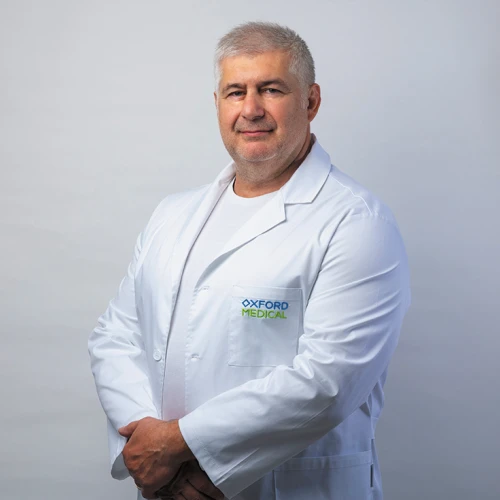
Neurologist of the highest category
 26+ Years of experience
 Consultation 1200
 Kyiv, Hlybochytska St., 40x Kyiv, Vasyl Lypkivskoho St., 38
 4.89 24+
 Neurologist, psychiatrist of the first category
24+ Years of experience Consultation 2600
Kyiv, 9 Ivana Kramskoho Street  4.8 6+
 Neurologist
6+ Years of experience Consultation 1200
Kyiv, Mykhayla Hryshka St., 1 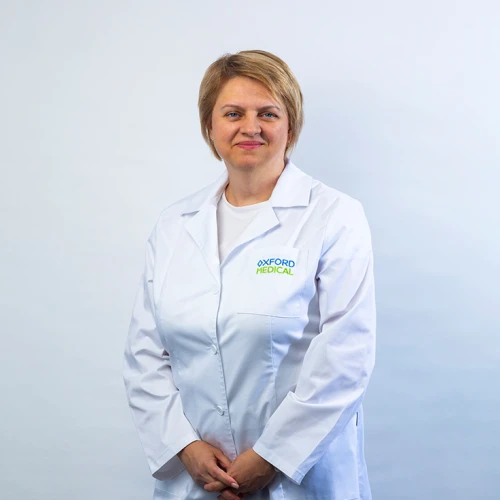 4.87 26+
 Neurologist of the highest category, PhD in Medical Sciences
26+ Years of experience Consultation 1200
Kyiv, Sribnokilska St. 20 
Reviews
Наталія 20.10.2026
До Дмитрієва Ігоря Олеговича звернулася після кількох невдалих спроб лікування в інших спеціалістів. Лікар уважно вивчив попередні обстеження, скоригував терапію, пояснив, на що звертати увагу надалі. Через деякий час біль став значно меншим, а сон покращився. Вдячна за грамотний підхід.

Анна 19.10.2026
Я потрапила до Вікторії Валеріївни у важкому стані після швидкої. Я булі вражена її чуйністю, уважністю до усіх деталей самопочуття в першу чергу. Наша з нею спільна робота принесла свої плоди за певний час і стан не лише стабілізувався а й покращився, коли я вже і не сподівалась. Дуже тонка робота, відчувається сильний досвід і здатність попри десятки років за плечима почути людину за кожним пацієнтом. Безмежно вдячна що повернула мене до життя, так мʼяко і впевнено
Current information


20 October 2026
Facial Asymmetry: Causes and How to Correct It

17 September 2026
Tremor: why hands, legs, and the whole body shake, and how to get rid of...

28 July 2026
Numbness in the legs: why do the legs suffer and what to do
09 July 2026
Why does my head hurt and what to do about it?
Sign up
 in the clinic
  online

 Hello!
Let's take care
about your health:
Sign up via call center 
