The sensation of a sudden jolt in the chest, a brief pause, or a feeling that the heart is “skipping a beat” has been experienced at least once in life by many people. Such episodes often cause concern, even if they last only a few seconds and quickly pass. In most cases, these sensations are caused by extrasystole — one of the most common types of heart rhythm disturbance.
For some, it is a single, almost unnoticeable episode after stress or physical exertion. For others, it is frequent premature contractions accompanied by discomfort, anxiety, or worsening well-being. It is important to understand that not every extrasystole is dangerous, but regular or symptomatic rhythm disturbances require evaluation by a cardiologist.
In this article, we will consistently review what extrasystole is, how it manifests, what it may be associated with, and in which cases it requires treatment. This will help you better understand your condition and seek medical attention in a timely manner.
What is extrasystole and how does it manifest
Extrasystole is a premature contraction of the heart that occurs earlier than expected in the normal rhythm. In a healthy body, heart activity is coordinated by the sinus node — the natural “pacemaker” that generates electrical impulses with a certain regularity. These impulses ensure the sequential and coordinated contraction of the atria and ventricles.
In extrasystole, an additional electrical impulse arises outside the sinus node — in the atria, the atrioventricular junction, or the ventricles. As a result, an extra contraction occurs, usually followed by a short compensatory pause. It is this pause that creates the sensation of an “interruption” or temporary stopping of the heart.
Extrasystoles may be isolated or recur with a certain periodicity. Sometimes they occur as separate episodes, while in other cases they form a persistent irregular rhythm. The number of such contractions per day may range from single episodes to hundreds or even thousands.
Clinical manifestations depend on the frequency of episodes, their origin, and the condition of the cardiovascular system. In many people, isolated extrasystoles are not accompanied by pronounced symptoms and are detected incidentally during examination. At the same time, frequent or repetitive contractions may cause noticeable rhythm disturbance that affects overall well-being.
How extrasystole feels
Subjective sensations during extrasystole may vary significantly. Most often, patients describe them as:
-
a sudden strong jolt in the chest;
-
a brief “pause” of the heart;
-
a sensation of turning over or “flipping” in the chest;
-
an irregular pulse;
-
a wave of heat or internal trembling;
-
shortness of breath;
-
dizziness.
A characteristic feature is the pause after the extra contraction. A person feels as if the heart stops for a moment and then delivers a stronger beat. This is because after a premature impulse, the heart temporarily compensates for the disturbed rhythm.
If extrasystole occurs against the background of cardiovascular disease, additional manifestations may appear: chest pain or tightness, shortness of breath during exertion, weakness. In such situations, it is important not to ignore the symptoms and to undergo examination.
It is important to emphasize: extrasystole itself does not always indicate a serious disease. However, its occurrence requires assessment of the patient’s condition — the presence of concomitant pathology, the frequency and nature of episodes. Only a comprehensive approach makes it possible to determine whether this is a functional phenomenon or a manifestation of organic heart damage.
What causes extrasystole
The causes of extrasystole may be related either to structural changes in the heart or to functional — temporary — reactions of the body to external or internal factors.
The main causes of extrasystole include:
-
ischemic heart disease;
-
previous myocardial infarction;
-
cardiomyopathies;
-
myocarditis;
-
congenital and acquired valve defects;
-
chronic heart failure;
-
thyroid dysfunction;
-
anemia;
-
electrolyte disturbances (deficiency of potassium, magnesium);
-
intoxications, including medication-related;
-
psychoemotional stress;
-
sleep deprivation;
-
excessive consumption of coffee, alcohol, energy drinks;
-
intense physical exertion.
In heart diseases, extrasystole more often has a persistent character and may be accompanied by other symptoms — shortness of breath, chest pain, reduced exercise tolerance. In such cases, it is considered a manifestation of the underlying pathology.
Functional extrasystoles usually occur episodically and may disappear after normalization of daily routine and lifestyle. However, even in such situations, it is advisable to undergo examination to ensure the absence of hidden heart diseases or other pathologies.
How extrasystole appears on ECG
Electrocardiography is the main method for confirming extrasystole. On an ECG, it is possible to objectively detect a premature electrical impulse and determine its origin. The patient’s subjective sensations do not always allow accurate identification of the type of rhythm disturbance, so instrumental diagnostics are crucial.
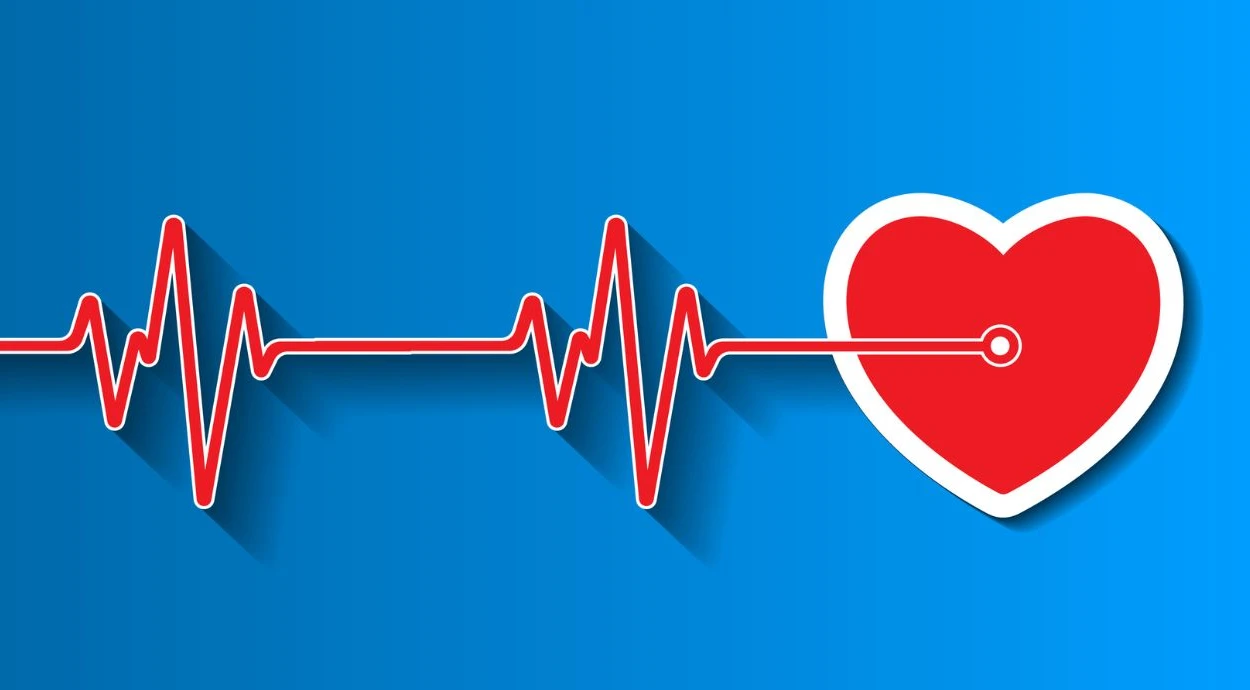
On an electrocardiogram, extrasystole appears as a premature complex that occurs earlier than the expected normal heartbeat. It is usually followed by a compensatory pause — an interval longer than usual. This pause corresponds to the sensation of the heart “skipping a beat.”
ECG features depend on the type of extrasystole:
-
in the atrial form, the premature P wave has an altered shape, while the QRS complex remains relatively normal;
-
in atrioventricular origin, the P wave may be absent or located after the QRS complex;
-
in ventricular extrasystole, the QRS complex is widened and deformed because the impulse spreads along an atypical pathway.
If extrasystoles occur rarely, a standard ECG may not capture the disturbance. In such cases, 24-hour Holter monitoring is used. Over 24 hours or longer, a special device records the electrical activity of the heart, allowing assessment of the frequency, type, and relationship of episodes to physical or emotional stress.
How extrasystole is treated
The treatment strategy for extrasystole is determined individually after a comprehensive examination. During consultation, the cardiologist evaluates the results of the electrocardiogram, Holter monitoring, echocardiography, blood tests, and determines whether there are structural changes in the myocardium. Only after that can it be decided whether active treatment is required or observation is sufficient.
If premature contractions are isolated, not accompanied by deterioration of well-being, and not associated with organic heart damage, specific antiarrhythmic therapy is usually not prescribed. In such cases, management is based on lifestyle modification: normalization of sleep, reduction of psychoemotional stress, limitation of stimulating substances, and gradual adaptation of physical activity.
When extrasystole occurs against the background of cardiovascular pathology, treatment is primarily aimed at controlling the underlying disease. Stabilization of ischemic heart disease, correction of blood pressure, treatment of heart failure or myocarditis often lead to a reduction in rhythm disturbances without the need for aggressive antiarrhythmic therapy.
In cases of frequent, symptomatic, or prognostically unfavorable forms, medications that affect the electrical activity of the myocardium may be used. The prescription of antiarrhythmic drugs requires caution, as they have clear indications and possible side effects. Electrolyte disturbances are corrected in parallel if potassium or magnesium deficiency is detected, and appropriate endocrinological therapy is provided in case of hormonal disorders.
If medication is ineffective or extrasystole carries a high risk of complications, catheter ablation may be considered. This is a minimally invasive procedure in which a catheter is inserted into the heart through the vessels, and the pathological source of impulses is locally neutralized. This approach makes it possible to eliminate the mechanism of rhythm disturbance and significantly reduce the frequency of episodes.
Treatment of extrasystole may be prescribed only after comprehensive diagnostics. Timely consultation with a doctor and adherence to recommendations allow heart rhythm to be controlled and reduce the risk of possible complications.