Table of contents:
- What Skin Diseases Are There: Top 12 Skin Conditions
- Condition 1: Acne
- Condition 2: Atopic Dermatitis (Eczema)
- Condition 3: Psoriasis
- Condition 4: Fungal Infections (Mycoses, Onychomycosis)
- Condition 5: Herpes
- Condition 6: Seborrheic Dermatitis
- Condition 7: Vitiligo
- Condition 8: Urticaria (Hives)
- Condition 9: Rosacea
- Condition 10: Melanoma and Other Types of Skin Cancer
- Condition 11: Molluscum Contagiosum / Warts
- Condition 12: Hyperpigmentation and Melasma
- When to See a Dermatologist Urgently
- How to Prevent Skin Diseases
Skin is the largest organ of the human body and the first line of defense against external factors. It reacts to infections, allergic reactions, hormonal imbalances, stress, and changes in the function of internal organs.
Many patients underestimate early symptoms such as redness, scaling, or a rash, treating them as temporary discomfort. However, different skin conditions often look similar on the surface yet require fundamentally different treatment approaches. Self-treatment or ignoring symptoms may lead to a chronic course and complications.
In this article, we will review what skin diseases exist, how they present, and when it is important to consult a dermatologist in time.
What Skin Diseases Are There: Top 12 Skin Conditions
Skin diseases can vary widely—from relatively mild conditions that cause only temporary discomfort to chronic or serious disorders that require long-term treatment and regular medical supervision.
Many of them are associated with immune system activity, hormonal balance, metabolism, or have an infectious nature. In such cases, the skin responds to internal disturbances by signaling a problem through visible changes.
Among the most common causes of skin disease, doctors highlight:
- immune response dysregulation;
- hormonal changes;
- the impact of viruses, bacteria, and fungi;
- genetic predisposition;
- external factors, including ultraviolet radiation, chemical exposure, and stress.
Modern dermatologic diseases are commonly grouped based on their cause, development mechanism, and the type of skin changes they produce. This classification helps a physician determine the right diagnostic direction and select appropriate treatment more quickly.
Main categories of skin diseases include:
- Inflammatory — accompanied by redness, itching, swelling, or scaling; often chronic.
- Infectious — caused by viruses, bacteria, or fungi and may spread through contact.
- Autoimmune — occur due to immune system dysfunction, when the body attacks its own skin cells.
- Pigmentary — related to changes in skin color with light or dark patches.
- Neoplasms — benign or malignant growths that require special attention and monitoring.
It is important to understand that different dermatologic conditions can look very similar. That is why, without a dermatologist’s examination and additional tests, it can be difficult to accurately determine the nature of the problem and choose a safe treatment strategy.
Next, we will look at twelve of the most common conditions patients seek dermatologic care for and explain which signs deserve special attention.
Condition 1: Acne
Acne is one of the most common facial skin conditions and can occur not only in adolescence but also in adulthood. It is associated with sebaceous gland dysfunction, inflammation, and changes in the skin’s microbial balance. The face, back, and chest are most often affected.
Main signs of acne include:
- comedones (blackheads and whiteheads);
- inflammatory lesions—papules and pustules;
- painful deep nodules under the skin;
- a rash with a chronic or recurrent course;
- post-acne marks—post-inflammatory hyperpigmentation or scars.
Factors that may contribute to acne development include:
- hormonal changes;
- increased sebum production;
- genetic predisposition;
- stress and sleep disruption;
- improper skincare or the use of harsh cosmetics.
When breakouts become painful, spread quickly, or leave noticeable marks, acne treatment should be medical rather than cosmetic, taking into account the causes and individual skin features. A dermatologist’s consultation is needed to select effective and safe therapy and to prevent complications and chronicity.
Condition 2: Atopic Dermatitis (Eczema)
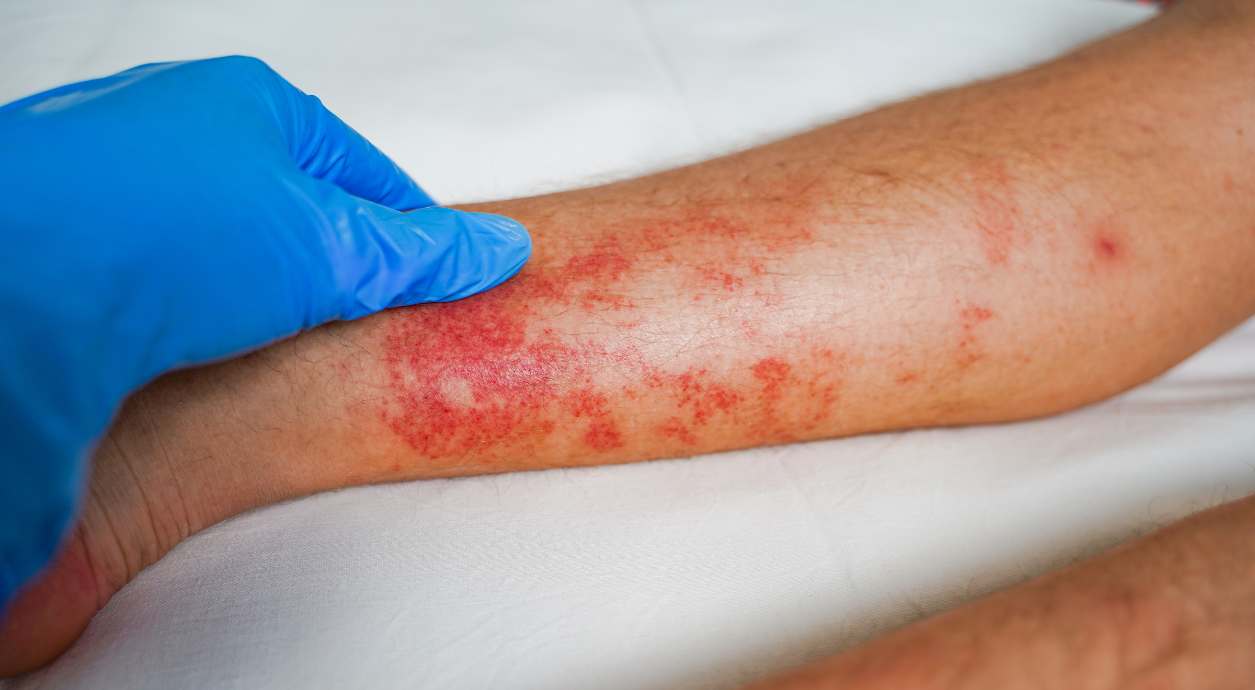
Atopic dermatitis is a chronic inflammatory skin disease closely linked to immune system characteristics. It is marked by a prolonged course with flare-ups and periods of temporary symptom relief. The condition often has a hereditary component and may coexist with other allergic disorders.
Typical signs of atopic dermatitis include:
- redness and dryness of the skin;
- pronounced itching, often worse at night;
- scaling, cracks, sometimes oozing;
- skin thickening in long-standing disease;
- hand involvement, often presenting as hand dermatitis.
The distribution of lesions can vary depending on age and stage. In adults, the hands, flexural surfaces of the elbows and knees, neck, and face are most often affected. Persistent itching and a compromised skin barrier increase the risk of secondary infection.
Common triggers for flare-ups include:
- contact with household or occupational irritants;
- dry air and sudden temperature changes;
- stress and emotional strain;
- infectious diseases;
- inappropriate or aggressive skincare.
Special attention is required when symptoms intensify, spread to new areas, or significantly affect quality of life. In such cases, a dermatologist’s consultation is essential to confirm the diagnosis, monitor the course, and tailor therapy.
Condition 3: Psoriasis
Psoriasis is a chronic non-infectious autoimmune skin disease characterized by accelerated skin cell turnover. It can develop at any age and typically follows a fluctuating course with flare-ups and remissions. It is important to note that psoriasis is not contagious, but it requires ongoing control.
Typical signs of psoriasis include:
- well-defined red plaques;
- silvery-white scaling on the surface of affected areas;
- dryness and a feeling of tightness;
- itching or burning sensations;
- nail involvement such as thickening, brittleness, or color changes.
Lesions most commonly appear on the elbows, knees, scalp, and lower back, but they may occur elsewhere. In some cases, psoriasis is associated with joint involvement, which requires a comprehensive approach to management.
Factors that can trigger flare-ups include:
- stress and psycho-emotional overload;
- infectious diseases;
- skin trauma;
- hormonal fluctuations;
- improper care or aggressive external воздействія.
A dermatologist’s consultation is needed to assess disease activity, adjust treatment, and prevent complications.
Condition 4: Fungal Infections (Mycoses, Onychomycosis)
Fungal infections are infectious skin diseases and are common across all age groups. They are caused by microscopic fungi that affect the skin, nails, or scalp. The condition often develops gradually and may cause little discomfort early on, leading to delayed treatment.
Common signs of fungal infections include:
- redness, scaling, and itching;
- cracks, especially between the toes;
- nail discoloration;
- thickening, brittleness, or deformation of the nail plate;
- a burning sensation or discomfort.
Factors that facilitate fungal infection include:
- contact with the pathogen;
- reduced immune defense;
- excessive sweating;
- microtrauma to the skin and nails;
- tight or non-breathable footwear.
If skin or nail changes persist for a long time and do not improve with topical products, this may indicate an active infectious process. In this situation, a dermatologist’s consultation is necessary to confirm the diagnosis and choose treatment aimed not only at visible symptoms but also at eliminating the cause.
Condition 5: Herpes
Herpes is a viral skin condition with a recurrent course; once acquired, the virus remains in the body for life. After the initial infection, it can stay inactive and reappear under certain triggers. The lips, facial skin, and mucous membranes are most commonly affected, though other areas may be involved.
Typical signs of herpes include:
- clusters of small blisters filled with clear fluid;
- itching, tingling, or burning before the rash appears;
- pain in the affected area;
- crusting as blisters dry out;
- a wave-like pattern of recurrence.
Reactivation may be triggered by:
- weakened immunity;
- hypothermia or overheating;
- stress and fatigue;
- acute infections;
- hormonal changes.
Herpes outbreaks are often viewed as a “simple cold sore” and underestimated. However, frequent recurrences, spread to other areas, or severe pain can complicate the course. In such cases, a dermatologist’s consultation is important to assess activity and adjust treatment to reduce the risk of further flare-ups.
Condition 6: Seborrheic Dermatitis
Seborrheic dermatitis is a chronic inflammatory skin disease associated with sebaceous gland dysfunction and changes in the skin microbiome. It can occur at different ages and often follows a fluctuating course with periods of improvement and worsening. It typically affects areas with increased oiliness.
Typical signs of seborrheic dermatitis include:
- redness with clear or blurred borders;
- scaling with yellowish or white flakes;
- itching of varying intensity;
- a feeling of oiliness or, conversely, tightness;
- involvement of facial areas such as the eyebrows, nasolabial folds, and sides of the nose.
In addition to the face, seborrheic dermatitis often affects the scalp, behind the ears, and the upper chest. Symptoms may worsen in colder seasons or during periods of general health decline.
Factors influencing the course include:
- hormonal changes;
- stress and chronic fatigue;
- nervous system dysregulation;
- reduced immune defense;
- aggressive or unsuitable skincare products.
Seborrheic dermatitis is often confused with allergic reactions or psoriasis because the appearance can be similar. Therefore, in persistent or recurrent cases, a dermatologist’s consultation is needed to confirm the diagnosis and select therapy tailored to the individual skin profile.
Condition 7: Vitiligo
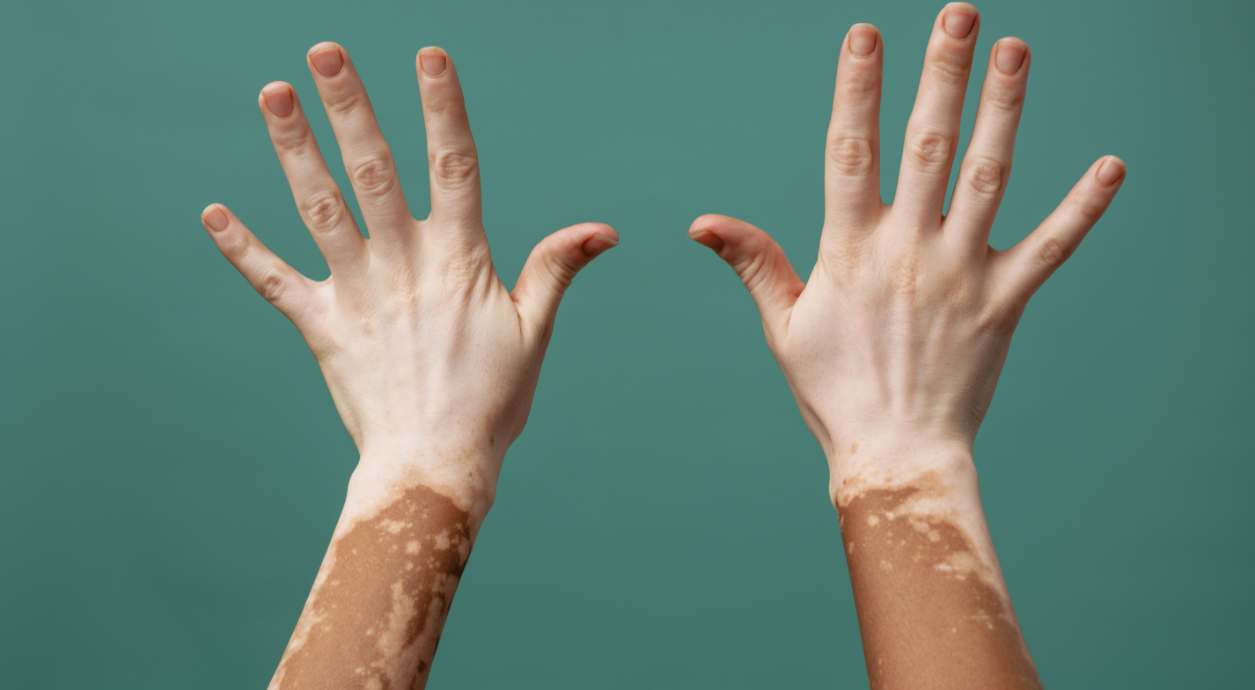
Vitiligo is a chronic condition characterized by light or milky-white patches caused by pigment loss. It is not contagious and does not cause physical pain, but it can significantly affect emotional well-being and quality of life. Vitiligo can occur at any age and progress at different rates.
Main signs of vitiligo include:
- well-defined depigmented patches;
- symmetric or asymmetric distribution;
- gradual enlargement of lighter areas;
- loss of hair color within patches;
- no itching or inflammation.
Changes most commonly appear on the face, hands, elbows, knees, and in the genital area. In some patients, patches remain stable for a long time; in others, they spread gradually. The course largely depends on individual factors.
Factors associated with vitiligo may include:
- autoimmune disorders;
- genetic predisposition;
- endocrine disturbances;
- severe or prolonged stress;
- skin injury.
Although vitiligo is not life-threatening, appearance changes often cause psychological distress. A dermatologist’s consultation is useful to confirm the diagnosis, evaluate the course, and discuss supportive options and skincare.
Condition 8: Urticaria (Hives)
Urticaria is an acute or chronic skin reaction that occurs in response to allergens or other triggers. It develops suddenly and may be accompanied by local and sometimes systemic symptoms. In many cases, urticaria is part of allergic responses, though it can also be non-allergic.
Characteristic features of urticaria include:
- pink or red wheals resembling nettle stings;
- intense itching;
- a tendency for lesions to merge;
- rapid onset and similarly rapid resolution of the rash;
- possible involvement of mucous membranes.
Wheals may appear on any area of the body, including the face, trunk, and limbs. In some patients, urticaria is episodic; in others, it becomes chronic and persists for months.
Common triggers include:
- foods;
- medications;
- insect bites;
- contact with chemicals;
- physical factors—cold, heat, pressure;
- infections and stress.
It is not always possible to identify a specific trigger immediately. If episodes recur, persist, or are accompanied by swelling of the lips or eyelids or breathing difficulty, a dermatologist’s consultation is needed to clarify the cause and determine the next steps.
Condition 9: Rosacea
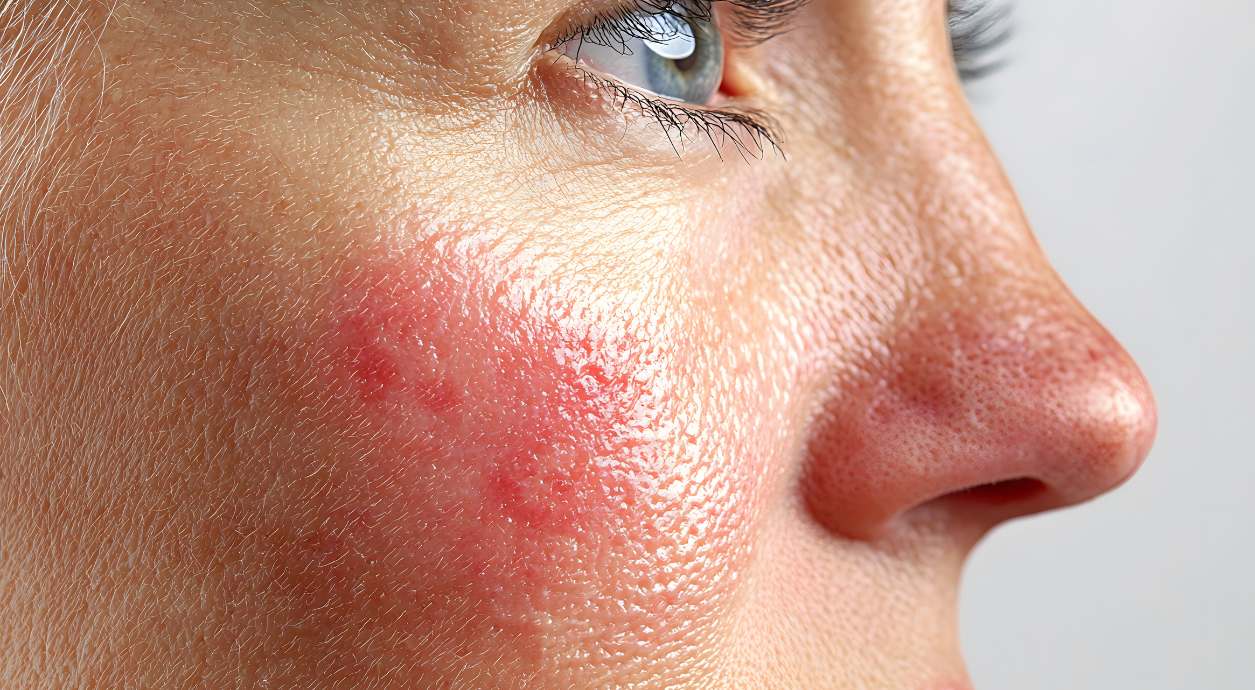
Rosacea is a chronic inflammatory skin disorder that most often affects the central face: cheeks, nose, chin, and forehead. It develops gradually and may long be mistaken for sensitive skin or mild redness, and is often confused with acne or allergic reactions.
Typical features of rosacea include:
- persistent or intermittent facial redness;
- a sensation of heat, burning, or tingling;
- small inflammatory bumps without comedones;
- visible superficial blood vessels;
- increased skin sensitivity to cosmetics and external factors.
Over time, symptoms can intensify and redness can become more persistent. Some patients experience dryness, scaling, or swelling, which complicates daily skincare and affects appearance.
Common triggers include:
- sudden temperature changes;
- sun exposure;
- hot foods, alcohol, or spicy seasonings;
- stress and emotional strain;
- inappropriate skincare products.
Rosacea is chronic and may gradually progress without control. Therefore, when persistent facial redness or heightened skin reactivity appears, a dermatologist’s consultation is needed to confirm the diagnosis, rule out other facial skin conditions, and develop an individualized care and treatment plan.
Condition 10: Melanoma and Other Types of Skin Cancer
Malignant neoplasms are among the most serious skin conditions.
Warning signs that may suggest malignant changes include:
- a new mole or spot that changes quickly;
- asymmetry and irregular borders;
- uneven color or multiple оттенки within one lesion;
- growth in size or hardening;
- bleeding, cracking, or inflammation around the lesion.
The highest risk of skin cancer is associated with excessive ultraviolet exposure, frequent sunburns, fair skin phototype, and hereditary predisposition. Lesions may appear on exposed areas but can also develop in less obvious locations.
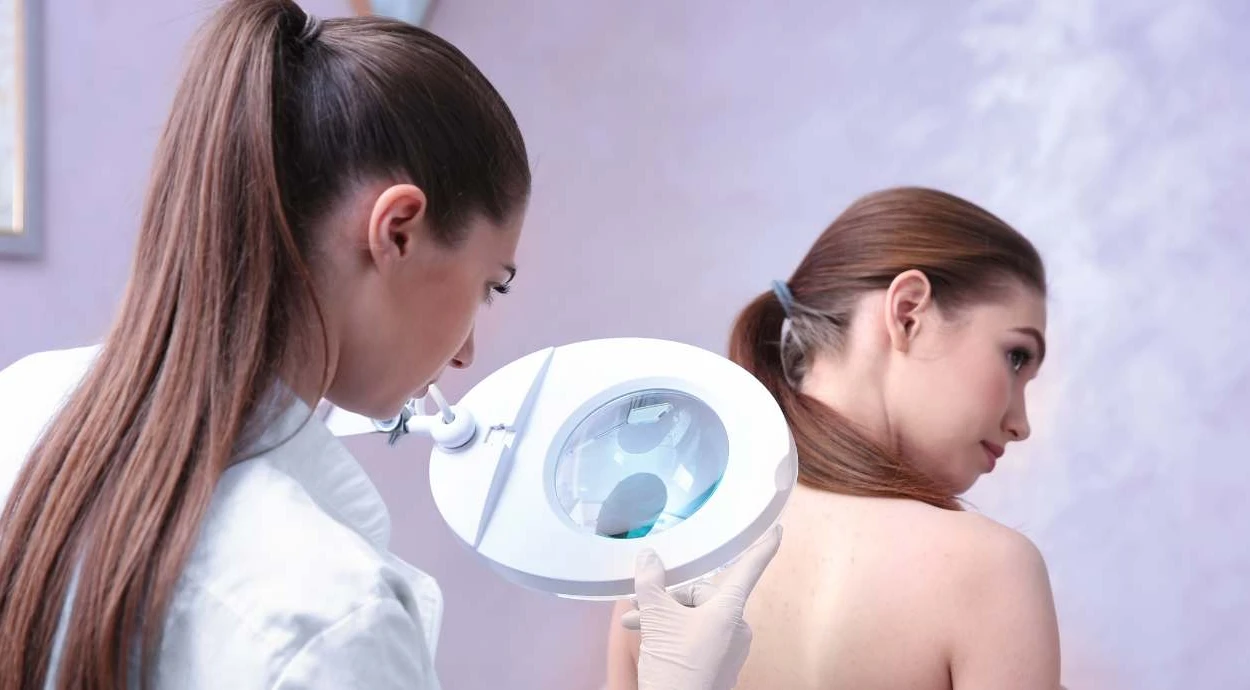
Dermoscopy is used to evaluate pigmented lesions. It enables detailed assessment of skin structures and helps detect suspicious changes at an early stage.
Condition 11: Molluscum Contagiosum / Warts
Molluscum contagiosum and warts are viral conditions that occur due to infection and can spread through close contact or shared household items.
Typical features include:
- small nodules or papules on the skin;
- skin-colored, pink, or grayish lesions;
- a smooth or slightly rough surface;
- no pain in the early stages;
- a tendency to spread to nearby areas.
Factors that contribute to the appearance and spread include:
- microtrauma to the skin;
- contact with an infected person;
- sharing towels, tools, or toys;
- visiting swimming pools and gyms;
- weakened immune function.
In such cases, a dermatologist’s consultation is needed to confirm the diagnosis, choose a safe removal method, and reduce the risk of recurrence.
Condition 12: Hyperpigmentation and Melasma
Hyperpigmentation and melasma are disorders of skin tone uniformity associated with excessive accumulation of melanin. These changes are not always an independent disease but often reflect internal or external influences. Pigmented spots most commonly appear on the face, neck, décolletage, and hands.
Main signs include:
- dark or brown patches of various shapes;
- sharp or blurred borders;
- darkening with sun exposure;
- symmetric distribution in melasma;
- no itching or pain.
Hyperpigmentation may develop after inflammatory skin processes, trauma, or rashes, while melasma is more often linked to hormonal changes. These conditions are often perceived as cosmetic issues, but deeper factors may contribute.
Factors that can contribute include:
- excessive sun exposure without protection;
- hormonal fluctuations, including during pregnancy;
- use of certain medications;
- genetic predisposition;
- chronic dermatologic inflammation.
Pigmented spots may persist for years and become more prominent without an appropriate approach. In such cases, a dermatologist’s consultation is needed to identify the cause, assess pigment depth, and select a safe correction strategy based on individual skin characteristics.
When to See a Dermatologist Urgently
Not every skin change requires emergency care, but there are situations where delaying can lead to complications or progression.
You should consult a dermatologist if:
- a rash appears suddenly, spreads quickly, or is accompanied by worsening general well-being;
- a mole, spot, or other lesion changes shape, color, size, or starts bleeding;
- skin changes are accompanied by severe pain, swelling, or fever;
- symptoms do not improve or worsen despite home care;
- skin lesions appear on the face, in the genital area, or quickly involve large body areas.
Chronic skin diseases that suddenly change their course also require attention: the rash becomes more pronounced, cracks or oozing appear, or an infection develops. These signs indicate increased activity and the need to adjust treatment.
Do not ignore situations where a skin condition is accompanied by symptoms from other systems—weakness, joint pain, weight changes, or persistent itching without visible causes. In such cases, skin changes may be the first sign of a broader health issue.
Timely consultation helps not only to address visible symptoms sooner but also to prevent a chronic course or serious complications.
How to Prevent Skin Diseases
It is not possible to eliminate the risk of skin problems completely. However, prevention significantly reduces the likelihood of developing skin diseases and helps control existing conditions. In most cases, preventive measures are based on proper skincare, attention to changes, and timely medical consultation.
Key recommendations to maintain healthy skin include:
- daily care tailored to your skin type and sensitivity;
- use of sunscreen to prevent photo-damage;
- avoiding prolonged contact with aggressive chemicals;
- following personal hygiene rules, especially in public places;
- avoiding self-treatment and uncontrolled use of medications.
Lifestyle also plays an important role. Adequate sleep, balanced nutrition, stress control, and immune support help reduce the risk of many skin diseases. Equally important is choosing cosmetic products that do not disrupt the skin barrier.
Regular preventive checkups are valuable even without complaints. Visits to a dermatologist can help detect early signs of skin disease, assess moles and pigmented lesions, and, when necessary, adjust skincare or treatment.
Attentive skincare and a systematic preventive approach help maintain skin health, reduce flare-ups, and respond promptly to any changes.
Frequently Asked Questions
Can I determine on my own which skin condition I have?
Accurately identifying a skin condition on your own is difficult, as many dermatological disorders have similar manifestations, such as redness, scaling, or rashes. Even experienced physicians make a diagnosis based on examination, medical history, and additional tests. Self-treatment may worsen the course of the condition.
Does a rash always mean an allergy?
A rash does not always have an allergic origin. Similar skin changes may occur in infectious, autoimmune, fungal, or hormonal disorders. If a rash persists, changes, or recurs, it is important to determine its cause rather than relying solely on anti-allergic medications.
When are pimples normal, and when are they a disease?
Occasional pimples may appear due to hormonal fluctuations or external factors. However, if breakouts are recurrent, accompanied by inflammation or pain, or leave marks on the skin, this indicates acne as a medical condition that requires professional management.
Can ordinary dandruff be a sign of a serious problem?
In most cases, dandruff is associated with seborrheic dermatitis and is not dangerous. However, if scaling is accompanied by itching, redness, or extends beyond the scalp, it may indicate other dermatological conditions that require attention.
What is the difference between eczema and psoriasis?
Eczema is usually accompanied by pronounced itching, dryness, or oozing and often has an allergic component. Psoriasis is characterized by thickened plaques with scaling and has an autoimmune mechanism. Despite similar symptoms, these conditions require different treatment approaches.
Is herpes transmitted only through kissing?
Herpes is transmitted not only through kissing but also through any close contact with the skin or mucous membranes when the virus is active. Infection may occur through shared personal hygiene items or contact with affected skin areas.
Is it true that sunlight helps with skin problems?
Moderate sun exposure may temporarily improve certain conditions, such as psoriasis. However, excessive ultraviolet exposure often worsens rosacea and pigmentation and increases the risk of skin cancer. Therefore, sun exposure should always be controlled.
Is it enough to treat acne only with over-the-counter cosmetics?
Cosmetic products can improve the appearance of the skin but do not address the underlying causes of acne. In moderate to severe cases, this approach is often insufficient. Treatment should be selected individually based on the condition of the skin.
Are all skin diseases contagious?
Not all skin diseases are contagious. Fungal, viral, and some bacterial infections can be transmitted from person to person. Conditions such as eczema, psoriasis, rosacea, or vitiligo are not contagious, although they may have noticeable external manifestations.
How often should you have your skin checked by a dermatologist?
If there are no complaints, a preventive skin examination is recommended once a year. If you have chronic skin conditions, numerous moles, or noticeable skin changes, the frequency of visits is determined by the physician. Regular check-ups help detect problems at an early stage.