Contents:
- What Bloating Looks Like
- Why Bloating Happens
- How to Quickly Get Rid of Bloating at Home: Main Methods
- Dietary Rules for Flatulence
- When You Need to See a Doctor
Bloating is one of the most common complaints that people of different ages face. It may occur episodically after certain foods or bother a person regularly, affecting well-being, performance, and quality of life. A feeling of distension, discomfort, and excessive gas formation are often perceived as a minor problem, but in some cases they may signal disorders of the digestive system.
Many people are interested in how to quickly get rid of bloating at home, especially when the symptoms appear suddenly. At the same time, it is important to understand that the effectiveness of any actions depends on the cause of flatulence — from dietary habits to functional or inflammatory bowel diseases.
In this article, we will look at how bloating manifests itself and why it occurs, how to get rid of bloating at home, and in which cases it is worth seeing a doctor for detailed diagnostics.
What Bloating Looks Like
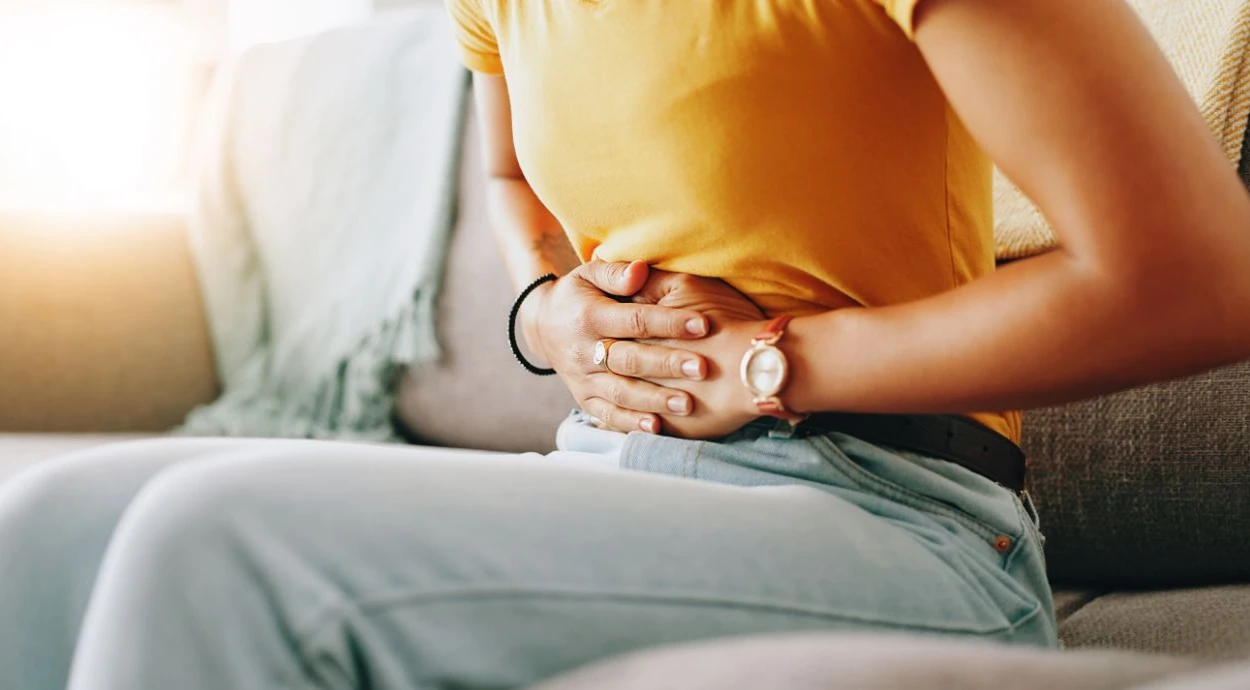
Bloating can manifest itself in different ways, depending on the cause and the individual characteristics of the body. Most often, people describe this condition as a feeling of fullness or pressure in the abdomen, which is accompanied by a visible increase in its volume. That is why patients are often interested in what bloating looks like, because it can be both noticeable externally and felt only internally.
Typical manifestations include:
- a feeling of distension in the abdomen, especially after eating;
- a visible increase in the size of the abdomen, which may intensify during the day;
- rumbling, gurgling, or increased gas formation;
- discomfort or even moderate pain in different areas of the abdomen;
- a feeling of “tightness” or tension of the abdominal wall.
In some cases, bloating is accompanied by changes in bowel movements — constipation or, conversely, more frequent stools. Symptoms may also intensify in the evening or after consuming certain foods.
Oxford Medical specialists note: it is important to understand that the intensity of manifestations does not always correspond to the seriousness of the cause. Even mild bloating that recurs regularly requires attention, since it may be associated with digestive disturbances or bowel function.
Why Bloating Happens
Bloating occurs when an excessive amount of gas accumulates in the intestines or its natural elimination is impaired. Normally, gases are formed during the digestion of food and are partly swallowed along with air. However, if this process becomes more intense or intestinal motility slows down, a feeling of distension, heaviness, and discomfort appears.
In most cases, bloating has not one but several causes — from dietary habits to disorders of the digestive system. In most cases, flatulence is functional in nature, but sometimes it may be a symptom of diseases that require diagnostics.
Foods That Cause Bloating
One of the most common causes is the nature of the diet. Some foods undergo fermentation in the intestines more actively, which is accompanied by gas formation.
Foods that most often provoke bloating include:
- legumes (beans, peas, lentils);
- cabbage (especially white cabbage, broccoli, cauliflower);
- carbonated drinks;
- fresh pastries and yeast products;
- sweets and foods with a high sugar content;
- milk in case of lactose intolerance;
- some fruits (apples, pears, grapes).
It is important to take into account that the reaction to food is individual. What causes discomfort in one person may be well tolerated by another. Therefore, it is useful to observe your own sensations after eating and, if necessary, adjust your diet.
The way food is consumed also plays a separate role. Fast eating, talking while eating, and drinking beverages through a straw can lead to swallowing air, which also increases bloating.
Other Factors
In addition to diet, there are a number of factors that may affect the onset of bloating:
- Impaired intestinal motility. Slowed or uneven movement of contents leads to gas retention and a feeling of discomfort.
- Stress and nervous tension. The psycho-emotional state directly affects the functioning of the digestive system, changing intestinal peristalsis.
- Hormonal changes. For example, in women, bloating may intensify before menstruation or during pregnancy.
- Disturbance of the intestinal microflora. An imbalance of beneficial and opportunistic bacteria may be accompanied by increased gas formation.
- A sedentary lifestyle. Insufficient physical activity slows digestion and contributes to stagnant processes.
Sometimes bloating is associated with functional disorders, such as intestinal dyskinesia, when the coordination of intestinal contractions is impaired. In more complex cases, the symptom may accompany inflammatory processes or other diseases of the gastrointestinal tract.
If bloating occurs regularly, intensifies, or is combined with other symptoms, it is important not to limit yourself only to dietary correction, but to выяснить причину together with a doctor.
How to Quickly Get Rid of Bloating at Home: Main Methods
.jpg)
The course of action for bloating depends on the cause that triggered it. If flatulence occurs episodically, in most cases the condition can be relieved at home by adjusting diet and lifestyle.
The most effective basic approaches are:
- normalization of the eating regimen (small portions, regular meals);
- avoiding foods that provoke gas formation;
- adequate water intake;
- light physical activity (walking after meals, simple exercises);
- control of the pace of eating — slow chewing without haste.
Many people are interested in what helps with bloating when symptoms arise suddenly. In such situations, simple measures may be useful: warm drinks, a light clockwise abdominal massage, changing body position, or a short walk. At the same time, it is important not to limit yourself only to symptomatic measures if the problem recurs.
What to Take for Bloating
With pronounced discomfort, people often look for information about what to drink for bloating or what remedies may help. There are various approaches that can relieve the condition, but it is important to choose the safest possible options, especially if the cause has not yet been established.
Simple and safe solutions that can be used in everyday life include:
- warm still water in small sips — it promotes the natural movement of intestinal contents;
- herbal teas (chamomile, mint, fennel) — may help reduce spasm and gas formation;
- warm drinks after meals — support the digestive process and reduce the feeling of heaviness.
Sometimes agents that reduce gas formation or improve digestion are also used, but they should be used cautiously and frequent self-medication should be avoided. It is better to consult a doctor to determine the cause of flatulence and to carry out treatment of intestinal bloating accordingly.
It is important to understand that such methods provide temporary relief. If bloating occurs regularly, the optimal solution is a consultation with a gastroenterologist, during which the doctor will determine the need for examination and select an individual strategy.
How to Quickly Get Rid of Bloating Caused by Food
If bloating appeared after eating, this is most often associated with food fermentation or overloading of the digestive system. In such a case, it is important not simply to “remove the symptom,” but to help the intestines cope with the load more quickly.
What can really help:
- warm water or herbal tea in small sips — stimulates peristalsis and facilitates the passing of gas;
- light walking for 10–15 minutes — movement activates intestinal function better than any passive methods;
- clockwise abdominal massage — helps move gas through the intestines;
- positions with light pressure on the abdomen (for example, lying on your side or pulling your knees up) — can quickly reduce pressure and discomfort;
- an upright position after eating — a horizontal position slows digestion and increases bloating.
It is also worth considering not only the foods themselves, but also their combinations. For example, a combination of a large amount of sweets with fatty food or eating fruit immediately after the main meal often provokes fermentation.
If such a reaction recurs after the same foods, it is advisable to temporarily exclude them and gradually reintroduce them, observing the body’s response.
How to Eliminate Flatulence Associated with Inflammatory Processes
Oxford Medical doctors warn: if bloating is accompanied by pain, stool disturbances, a feeling of incomplete bowel emptying, or general discomfort, this may indicate inflammatory or functional intestinal disorders.
In such cases, home methods may provide only temporary relief. It is important not to delay the examination, since the causes may be:
- inflammatory bowel diseases;
- irritable bowel syndrome;
- microflora disturbances;
- enzyme deficiency.
To clarify the condition, the doctor may recommend an examination, in particular a colonoscopy, which makes it possible to assess the condition of the intestinal mucosa and exclude serious pathologies.
Further treatment of intestinal bloating always depends on the cause. It may include:
- dietary correction taking into account food tolerance;
- restoration of microflora balance;
- normalization of intestinal motility;
- anti-inflammatory therapy (when indicated).
The key point is not to constantly try to “suppress” the symptoms, but to find and eliminate the cause. This makes it possible not only to get rid of bloating, but also to improve the functioning of the digestive system as a whole.
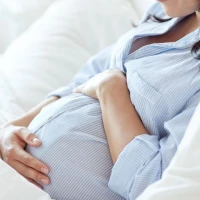
How to Relieve Bloating During Pregnancy
During pregnancy, bloating occurs frequently due to the action of progesterone, which relaxes the smooth muscles of the intestines. As a result, food moves more slowly, fermentation processes intensify, and gases accumulate. Additionally, the growing uterus may change the position of the intestines, which also affects digestion.
To really relieve the condition, it is important to properly organize nutrition and daily routine:
- fractional meals every 2.5–3 hours — prevent overloading of the intestines;
- thorough chewing of food — reduces the amount of air that is swallowed;
- warm food instead of cold — cold dishes may slow digestion;
- limiting gas-forming foods in the second half of the day — to avoid evening bloating;
- sleeping on the left side — this position may improve intestinal function and reduce pressure.
Important: even “safe” remedies during pregnancy should not be used independently — any medications must be approved by a doctor.
How to Get Rid of Gas in the Intestines in Children
.jpg)
In children, bloating is often associated with the immaturity of enzyme systems and intestinal motility. This is especially relevant for infants, whose stable microflora has not yet formed.
To reduce gas formation, it is important to act comprehensively:
- control of feeding technique — the child should not swallow air;
- breaks during feeding (burping air) — this significantly reduces the risk of colic;
- a clear feeding schedule without overfeeding — excess food worsens digestion;
- gradual introduction of new foods — with an interval of several days to track the reaction;
- warmth on the abdomen (a diaper) — helps relax the intestinal muscles.
In infants, the following work well:
- clockwise abdominal massage;
- “bicycle” type exercises;
- placing the baby on the stomach before feeding.
In older children, it is additionally important to:
- limit carbonated drinks and excess sweets;
- teach them to eat slowly without haste;
- monitor regular bowel movements.
If bloating is accompanied by severe pain, refusal to eat, vomiting, or disturbed bowel emptying, this is no longer a normal variant — a doctor’s examination is needed to rule out diseases of the digestive system.
Dietary Rules for Flatulence
Nutrition plays a key role in the appearance or reduction of bloating. Even without serious diseases, an improper diet may provoke constant discomfort, while correction of eating habits often gives noticeable relief already in the first days.
The basic principles of nutrition for flatulence are:
- regular meals without long breaks and overeating;
- small portions 4–5 times a day;
- slow eating with thorough chewing;
- limiting foods that cause fermentation;
- a sufficient amount of fluids during the day.
It is important not only what to eat, but also how to eat. Even healthy foods may cause bloating if they are consumed in a rush or in large volumes.
What Not to Eat When You Have Bloating
To reduce gas formation, it is worth temporarily limiting or excluding foods that most often provoke fermentation in the intestines.
These include:
- legumes (beans, chickpeas, lentils);
- cabbage in any form;
- carbonated drinks;
- sweets, especially with a large amount of sugar or syrups;
- yeast pastries;
- fatty and fried food;
- milk in case of lactose intolerance.
It is also undesirable to combine foods that are digested differently. For example, a large amount of fruit after a heavy meal often causes fermentation and increases bloating.
If the symptoms are pronounced, it is advisable to keep a food diary — this helps identify individual triggers.
What You Can Eat When You Have Bloating
The diet for flatulence should be easy to digest, but at the same time balanced.
Recommended are:
- porridges cooked in water or with a minimal amount of milk (rice, buckwheat, oatmeal);
- lean meat and fish;
- boiled or baked vegetables;
- soups with a light broth;
- fermented dairy products (provided they are well tolerated);
- eggs in boiled or steamed form.
It is important to introduce foods gradually and observe the body’s reaction. If bloating decreases, this means that the chosen diet is suitable.
Additionally, it is useful to start the day with a glass of warm water, which helps “start” the work of the digestive system after sleep. During meals, you should not wash food down with a large amount of liquid, since this may slow the digestion process. It is also better to take a short break between food and drinks so as not to overload the gastrointestinal tract.
What Fruits You Can Eat When You Have Bloating
Fruits remain an important part of the diet even with flatulence, but they should be chosen carefully. Some of them are easy to digest and do not provoke fermentation, while others may increase gas formation, especially with a sensitive intestine.
The best tolerated in case of bloating are:
- ripe bananas;
- baked apples;
- kiwi;
- citrus fruits in small quantities.
At the same time, there are fruits that more often cause discomfort, so they should be limited or introduced very cautiously. These include grapes, pears, plums, and dried fruits, especially in large quantities.
To prevent fruits from provoking bloating, it is important to consume them correctly. They should not be eaten immediately after the main meal, since this may cause fermentation. It is optimal to eat fruit as a separate snack and start with small portions, gradually assessing the body’s reaction.
This approach makes it possible to keep fruits in the diet without discomfort and maintain normal functioning of the digestive system.
When You Need to See a Doctor
In most cases, bloating is temporary in nature and is associated with diet or lifestyle. However, if the symptoms recur or intensify, it is important not to ignore them, but to seek medical help in a timely manner.
The following signs should be alarming:
- bloating occurs regularly or daily;
- abdominal pain appears and does not go away;
- there are stool disturbances (constipation or diarrhea);
- a feeling of fullness even after a small amount of food;
- nausea, decreased appetite, or unwanted weight loss;
- blood in the stool or other atypical symptoms.
In such cases, self-treatment may be ineffective or even dangerous, since bloating may be a manifestation of digestive system diseases. A timely consultation with a gastroenterologist makes it possible to determine the cause of the symptoms and choose the optimal treatment. The earlier the cause is established, the easier and more effective it is to eliminate it, as well as to prevent the development of complications.
The information in this article is provided for ознакомления and is not an instruction for self-diagnosis or treatment. If symptoms of a disease appear, you should consult a doctor.
Sources:
National Institute of Diabetes and Digestive and Kidney Diseases