Sign up via call center
Department
Treatment of extrasystole

Cardiosclerosis Treatment

Heart diseases do not always manifest acutely or with pronounced symptoms. In many cases, changes develop gradually and may remain unnoticed by a person for a long time. One of such conditions is cardiac cardiosclerosis.

In the early stages, the disease often does not cause pronounced complaints, so it is important to undergo examinations in a timely manner. At the «Oxford Medical» clinic, a comprehensive approach is used, which allows cardiosclerosis to be detected in time, the cause of the changes to be clarified, and effective treatment to be selected taking into account the patient's condition.

What is cardiac cardiosclerosis

Cardiosclerosis is a pathological process in which the muscular tissue of the heart is gradually replaced by connective (scar) tissue. Since such tissue does not have the ability to contract, this leads to a decrease in the contractile function of the myocardium and impaired blood circulation.

Most often, these changes are formed after previous diseases or against the background of a long-term disturbance of blood supply to the myocardium. It is important to understand that cardiac cardiosclerosis is not an independent disease, but is considered as a consequence of other pathologies of the cardiovascular system that require diagnosis and treatment.

Types of cardiosclerosis

Depending on the cause and nature of the lesion, several main forms of cardiosclerosis are distinguished:

  • atherosclerotic — develops against the background of a long-term disturbance of blood supply to the heart. Due to chronic lack of oxygen, myocardial cells are gradually replaced by connective tissue, which leads to a decrease in contractility;
  • postinfarction — is formed after a previous myocardial infarction. A scar forms in the affected area, which does not participate in contraction, which affects the functioning of the heart;
  • diffuse — scar changes spread evenly throughout the entire myocardium. This variant is more often associated with long-term chronic processes and gradually leads to a decrease in heart function;
  • focal — has a local character, when changes occur in a certain area of the heart muscle. Manifestations depend on the size and location of the lesion.

IHD cardiosclerosis, which develops against the background of ischemic heart disease, is distinguished separately. A long-term disturbance of blood supply leads to gradual structural changes in the myocardium and may be accompanied by rhythm disturbances or the development of heart failure.

Main causes of cardiosclerosis

The development of cardiosclerosis is associated with prolonged damage to the heart muscle or impairment of its blood supply. Under such conditions, myocardial cells gradually lose their function and are replaced by connective tissue.

The main causes include:

  • ischemic heart disease;
  • previous myocardial infarction;
  • inflammatory heart diseases, in particular myocarditis;
  • metabolic disorders;
  • prolonged arterial hypertension;
  • age-related changes.

The longer the heart works under conditions of insufficient blood supply or increased load, the higher the risk of scar changes forming in the myocardium.

Cardiosclerosis:
symptoms and signs of the disease

The manifestations depend on the degree of damage to the heart muscle, the extent of the changes,
and the presence of accompanying disorders.

The most common signs of cardiosclerosis:

shortness of breath during exercise or at rest;

rapid fatigue even with normal exertion;

swelling of the lower extremities, especially at the end of the day;

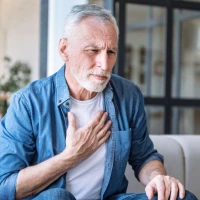
heart problems or chest discomfort.

List of diseases

Cardiosclerosis: diagnosis and treatment methods

To establish an accurate diagnosis, the doctor assesses the patient's complaints, the medical history of the disease, and the results of examinations. It is important not only to confirm the presence of changes in the heart, but also to determine their cause and the degree of influence on the functioning of the myocardium.

The main diagnostic methods include:

  • heart ultrasound — allows assessment of the structure of the myocardium, detection of scar changes, determination of the contractility of the heart, and the presence of signs of heart failure;
  • electrocardiography — helps detect rhythm and conduction disorders, as well as indirect signs of myocardial damage;
  • Holter monitoring — makes it possible to assess the functioning of the heart over the course of a day and record rhythm disturbances that may not appear during a routine examination;
  • laboratory tests — are used to assess accompanying conditions, in particular inflammatory processes, metabolism, and cholesterol level.

If necessary, the doctor may prescribe additional examinations to clarify the cause of the changes and choose the optimal treatment strategy.

Treatment is selected individually and depends on the cause of the disease, the degree of heart damage, and the severity of symptoms. The main directions include:

  1. Treatment of the underlying disease. If cardiosclerosis developed against the background of ischemic heart disease, arterial hypertension, or inflammatory processes, their correction is carried out first of all. This helps slow further damage to the myocardium.
  2. Drug therapy. Medications are prescribed that improve the functioning of the heart, normalize the rhythm, reduce the load on the myocardium, and help control symptoms.
  3. Heart rhythm control. In the event of rhythm disturbances, the doctor selects therapy to stabilize them and reduce the risk of complications.
  4. Lifestyle correction. It is recommended to limit excessive physical exertion, control nutrition, give up harmful habits, and regularly monitor the state of health.
  5. Follow-up over time. Even with a stable condition, it is important to undergo examinations regularly in order to assess changes and, if necessary, adjust treatment.

It is important to understand that in such a condition as cardiosclerosis, treatment of the disease is aimed not only at reducing symptoms, but also at slowing the progression of changes in the heart muscle and supporting its function.

Cost of treatment of cardiosclerosis in Kyiv at the «Oxford Medical» clinic

The cost depends on the cause of the disease, the scope of the necessary examinations, and the chosen treatment strategy. In each case, the approach is individual.

You can ознакомиться in advance with the prices for doctors' consultations here. The doctor will provide you with more detailed information about the options, program, and cost of treatment during the initial consultation.

At the «Oxford Medical» clinic, modern medical services are available that meet current standards of diagnosis and treatment of cardiovascular diseases. You can make an appointment at a convenient time for you by phone or through the online booking form on the website.

Frequently asked questions

How long do people live with cardiosclerosis?

Life expectancy depends on the degree of heart damage, the cause of the disease, and the timeliness of treatment. With regular monitoring of the condition, adherence to the doctor's recommendations, and properly selected therapy, many patients can maintain their usual activity and quality of life for a long time.

Can you do sports with cardiosclerosis?

Physical activity is allowed, but its level is selected individually. Moderate exercise is usually beneficial, as it supports the functioning of the cardiovascular system. Intense training may be limited, so before starting exercise, it is worth consulting a doctor.

( Rating: 4.98 , Votes: 45 )
Our services
Consultations
Cardiologist consultation
1100.00 ₴
Add Added
Consultation with a leading cardiologist
1989.00 ₴
Add Added
Online consultation with a cardiologist
1100.00 ₴
Add Added
Services
Heart ultrasound (echocardiography)
1389.00 ₴
Sign up by the call center
Electrocardiography (ECG without description)
319.00 ₴
Sign up by the call center
Electrocardiography (ECG with description)
499.00 ₴
Sign up by the call center
Description of electrocardiography (ECG)
229.00 ₴
Sign up by the call center
Monitoring (Holter) of blood pressure (24 hours)
1789.00 ₴
Sign up by the call center

Advantages of cardiosclerosis treatment at the Oxford Medical clinic

Experienced doctors. The appointment is conducted by specialists who work according to modern clinical recommendations.

Modern diagnostics. Informative examination methods are used to accurately assess the condition of the heart.

A comprehensive approach. Examination, treatment, and monitoring of results are carried out within one medical center.

Comfort and convenience. The appointment is organized at a convenient time for the patient without unnecessary waiting.

Our doctors

Doctor at the private clinic Oxford Medical Kyiv
0
rating (0)
29+
Years of experience
Cardiologist of the highest category
29+ Years of experience
Consultation 1100
Make an appointment
All doctors
Reviews
Наталія 05.04.2026
Візит до кардіолога залишив дуже приємне враження. Лікар був уважним, спокійно вислухав усі скарги, провів огляд і доступно пояснив результати. Отримала вичерпні відповіді на всі запитання та корисні рекомендації. Дякую за професійний підхід і людяність.
Star Star Star Star Star
Костянтин 05.04.2026
Був на консультації у лікаря Коссе Марії Юріївни щодо гіпертензії та її наслідків для серця. Дуже змістовна, чітка та вивірена консультація. Лікар дійсно вникає в ситуацію. Жодної «води» та навʼязування додаткових, не аргументованих необхідністю обстежень. Буду звертатись ще. Дякую.
Star Star Star Star Star
Current information
All Articles
Sign up via call center
in the clinic
online
This site is protected by reCAPTCHA technology, and the Google Privacy Policy and Terms of Service apply.
Hello!
Let's take care
about your health:
Sign up via call center

We use cookies and other technologies to remember your preferences and find out exactly how you use and interact with the site.

By using our site, you also agree to the terms of the "User Agreement" and "Regulation on the processing and protection of personal data". By clicking "I AGREE", you consent to the processing of your data.