Sign up via call center
Department
Treadmill test (stress cardiograms) in Kyiv at the Oxford Medical private clinic

Treadmill test

Cost of services
Consultations
Cardiologist consultation
1100.00 ₴
Order
Consultation with a leading cardiologist
1989.00 ₴
Order
Online consultation with a cardiologist
1100.00 ₴
Sign up by the call center

A treadmill test helps assess heart function during physical activity. Such an examination may be recommended if chest pain, shortness of breath, dizziness, or unusual weakness occurs while walking, climbing stairs, or exercising.

At the «Oxford Medical» medical center, the treadmill test is performed by experienced doctors using modern diagnostic equipment, which makes it possible to obtain accurate and informative results. To undergo the examination and a consultation with a cardiologist, call the contact center or request a callback at a time convenient for you.

What Is a Treadmill Test (Exercise ECG Test)

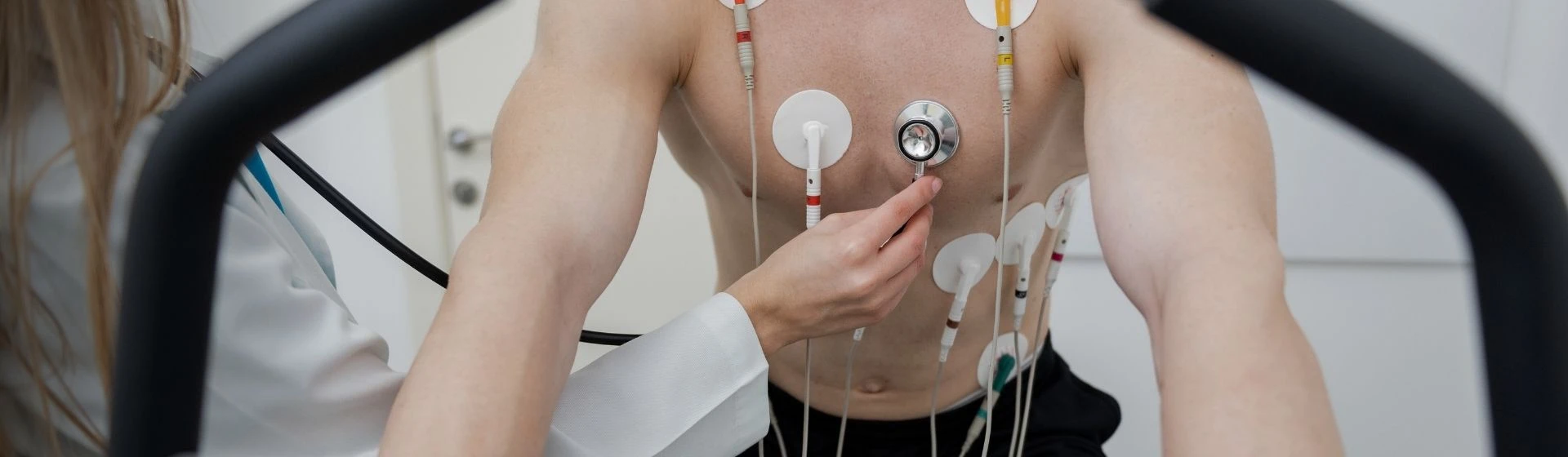
A treadmill test is a functional diagnostic method that makes it possible to assess heart function during gradually increasing physical activity. The patient walks on a treadmill, the speed and incline of which are increased in stages. During this time, the electrical activity of the heart is continuously recorded, while the heart rate and blood pressure readings are displayed on the monitor.

The cardiologist monitors the course of the examination and assesses changes in the readings. During the test, the patient also informs the doctor about changes in well-being and the appearance of symptoms.

Doctors at «Oxford Medical» explain: during physical activity, the heart works more intensively and requires a greater supply of oxygen. If the blood supply to the heart muscle is impaired, changes on the cardiogram or characteristic symptoms may occur precisely as the workload increases. Therefore, an exercise test provides information that cannot be obtained during a standard ECG performed at rest.

Such an examination of the heart under stress makes it possible to assess the response of the cardiovascular system to activity, determine physical working capacity, and record the moment when symptoms appear. The main characteristics of the treadmill test are presented in the table:

Characteristic Description
What it assesses Heart function during physical activity
How it is performed Walking on a treadmill with a gradual increase in speed and incline
What is monitored during the test The electrical activity of the heart using ECG, pulse rate, and blood pressure
What it is prescribed for To detect changes that occur during activity and assess exercise tolerance

Doctors at «Oxford Medical» explain: a diagnosis is not established solely on the basis of the treadmill test results. The cardiologist also takes into account the patient’s complaints, examination findings, and the results of other tests in order to comprehensively assess the condition of the cardiovascular system.

Indications for an Exercise
Electrocardiogram

According to the European Society of Cardiology, an exercise electrocardiogram may
be recommended to assess physical working capacity and clarify the causes of symptoms
and disorders that occur during physical activity.

The main indications are:

chest pain or discomfort, shortness of breath, weakness, or dizziness during physical activity;

suspicion of angina pectoris, myocardial ischemia, or a heart rhythm disorder;

monitoring the effectiveness of treatment and assessing the condition after previous cardiovascular diseases;

determination of physical endurance and the permissible level of exertion.

List of diseases

Timely examination helps detect disorders that manifest only during physical activity and determine further tactics for observation or treatment. This makes it possible to correct risk factors in a timely manner, preserve the health of the blood vessels and heart, and maintain a safe level of physical activity.

Contraindications to the Treadmill Test

Like other cardiac stress tests, the treadmill test has certain contraindications. It is not performed if physical exertion may worsen the patient’s condition or cause cardiovascular complications. Some contraindications are temporary: after the condition stabilizes, the doctor may reconsider the possibility of the examination. Before the procedure, the cardiologist assesses the patient’s well-being, measures blood pressure, and takes existing diseases into account.

According to the American Heart Association, the main contraindications include:

  • acute myocardial infarction;
  • unstable angina pectoris;
  • severe uncontrolled heart rhythm disorders;
  • acute myocarditis or pericarditis;
  • decompensated heart failure;
  • severe aortic stenosis with symptoms;
  • acute pulmonary embolism;
  • uncontrolled arterial hypertension.

The test may also be impossible to perform if, due to joint diseases, balance disorders, or other limitations, the patient cannot walk safely on the treadmill. In this case, the cardiologist selects another diagnostic method.

Doctors at «Oxford Medical» recommend reporting all diagnosed diseases, any recent deterioration in well-being, and the medications you are taking before the examination. This helps assess possible risks and perform the examination safely.

Preparation for the Treadmill Test

Proper preparation for the treadmill test helps obtain reliable results and perform the examination safely. The patient does not need any complicated restrictions before the procedure, but factors that may affect heart rate, blood pressure, and exercise tolerance should be avoided.

Before the examination, it is recommended to:

  • not eat for 2–3 hours;
  • not consume coffee, strong tea, or energy drinks;
  • refrain from smoking for at least 2 hours before the test;
  • not perform intensive physical exercises on the day of the examination;
  • wear comfortable clothing and footwear for walking;
  • bring the results of previous cardiological examinations;
  • sit calmly for 10–15 minutes immediately before the test.

Inform the cardiologist in advance about all medications you are taking. Some medications affect heart rate and may change the result of the examination, but they must not be discontinued independently. The doctor will determine whether the usual medication regimen needs to be changed before the procedure.

Stages of the Treadmill Test

The treadmill stress test is performed under the constant supervision of a cardiologist. The workload is increased gradually, in accordance with the selected protocol, the patient’s age, and state of health. During the examination, the equipment continuously records the ECG, while the doctor assesses the indicators of heart function and asks about the patient’s well-being.

The main stages of the test are:

  1. Patient preparation. Before the examination begins, the doctor clarifies the complaints, measures blood pressure and pulse rate. Electrodes are attached to the chest to record the electrical activity of the heart.
  2. Recording indicators at rest. Before walking begins, the initial indicators are recorded, with which the body’s response to the workload is subsequently compared.
  3. Gradual increase in workload. The patient begins walking on the treadmill. At certain intervals, the speed of movement and the angle of incline change, so the heart gradually begins to work more intensively.
  4. Monitoring the patient’s condition. Throughout the entire ECG test with physical exertion, the doctor assesses the cardiogram indicators, heart rate, blood pressure, and the appearance of symptoms. It is important for the patient to immediately report chest pain, shortness of breath, dizziness, or sudden weakness.
  5. Completion of the test. The examination is stopped after the required level of workload is reached or earlier if symptoms or changes in indicators appear that make it unsafe to continue the test.
  6. Observation after exertion. After the treadmill stops, the patient rests, while the recording of indicators continues for several more minutes. This makes it possible to assess how quickly the pulse, blood pressure, and heart function return to the initial level.

If dangerous changes appear, the cardiologist immediately stops the examination. Thanks to the gradual increase in workload and constant monitoring of the indicators, the test is performed under conditions that are safe for the patient.

Interpretation of Treadmill Test Results

The results of the treadmill test are assessed by a cardiologist. The doctor analyzes ECG readings, heart rate, and blood pressure at different stages of the workload. The achieved level of physical activity, the appearance of symptoms, and the rate at which the readings recover after completion of the test are also taken into account.

The test result may be:

  • negative — no signs of insufficient blood supply to the heart muscle were detected during an adequate workload;
  • positive — changes that may indicate ischemia were recorded;
  • inconclusive — the obtained readings do not make it possible to draw an unambiguous conclusion;
  • non-informative — the required level of workload could not be achieved.

A positive result may indicate myocardial ischemia — an insufficient supply of blood and oxygen to the heart muscle during physical exertion. Most often, this is associated with narrowing of the blood vessels that supply the heart and may be a sign of coronary heart disease. In some patients, insufficient blood supply manifests as angina pectoris — pain, pressure, or discomfort in the chest during physical activity.

In addition to ischemic changes, the treadmill test may detect heart rhythm disorders, an excessive or insufficient increase in blood pressure, and reduced exercise tolerance. The cardiologist assesses the results of the cardiac exercise test together with the complaints and the results of other examinations. If necessary, the doctor recommends additional diagnostics or adjusts the treatment.

What Is the Price of a Treadmill Test in Kyiv at the Private Clinic «Oxford Medical»

Prices for cardiologist consultations at the «Oxford Medical» medical center can be viewed here. To find out the price of a treadmill test, contact the contact center — the administrator will provide up-to-date information and help you choose a convenient time for your visit.

After the consultation, the doctor will provide precise guidance regarding the required scope of diagnostics, taking into account the complaints, state of health, and results of previous examinations. To make an appointment and receive the necessary medical services, call the clinic or request a callback.

The information is for informational purposes and does not replace a doctor’s consultation.

Sources:

Frequently asked questions

How Long Does a Treadmill Test Take?

The physical exertion itself usually lasts 6–12 minutes, but together with preparation, ECG recording at rest, and observation after completion of the test, the examination takes approximately 20–30 minutes. The duration may vary depending on the patient’s well-being and the purpose of the examination.

How Does a Treadmill Test Differ from a Standard ECG?

A standard ECG is recorded at rest, so it does not always detect disorders that occur during physical activity. During a treadmill test, an exercise ECG is performed: the electrical activity of the heart is continuously recorded while walking, while blood pressure and the appearance of symptoms are monitored simultaneously.

What Is the Difference Between a Treadmill Test and Bicycle Ergometry?

Both examinations are exercise tests and have the same purpose — to assess heart function during activity. The difference lies in the method of exertion: during a treadmill test, the patient walks on a treadmill, while during bicycle ergometry, the patient pedals a special exercise bicycle.

( Rating: 4.98 , Votes: 87 )

Advantages of the “Oxford Medical” cardiology department in Kyiv

Experienced cardiologists. Highly qualified specialists who follow modern treatment approaches.

Modern equipment. The latest devices for diagnosing and monitoring the condition of the heart and vessels.

Comprehensive treatment. Possibility to undergo examination, treatment, and rehabilitation in one place.

Comfort and care. Convenient location of clinics in different districts of Kyiv, friendly atmosphere, and attentive staff.

Our doctors

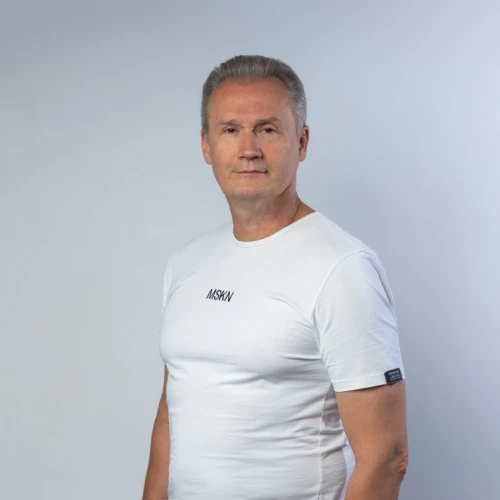
Veklov Herman Yurievich
4.91
rating (22)
36+
Years of experience
Online consultation
Cardiologist, ultrasound doctor of the highest category
36+ Years of experience
Consultation 1989
Kyiv, Vasyl Lypkivskoho St., 38
Make an appointment
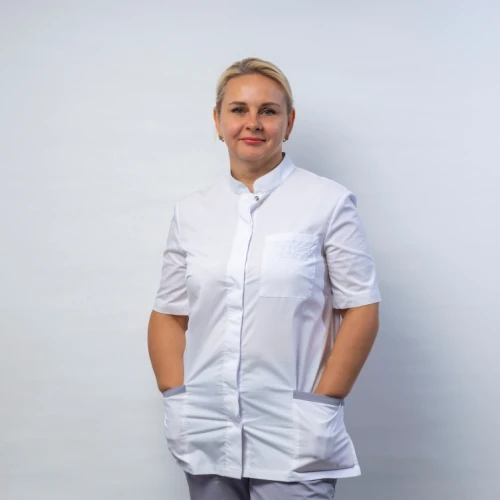
Nikurovskaya Lyubov Mykolaivna – general practitioner, cardiologist of the first category of the private clinic Oxford Medical Kyiv
4.95
rating (22)
7+
Years of experience
General practitioner, cardiologist of the first category
7+ Years of experience
Consultation 1100
Kyiv, Mykhayla Hryshka St., 1
Make an appointment
Bahyan Nataliya Oleksandrivna
4.83
rating (18)
20+
Years of experience
Online consultation
Cardiologist of the highest category, family doctor
20+ Years of experience
Consultation 1100
Kyiv, Hlybochytska St., 40x
Make an appointment
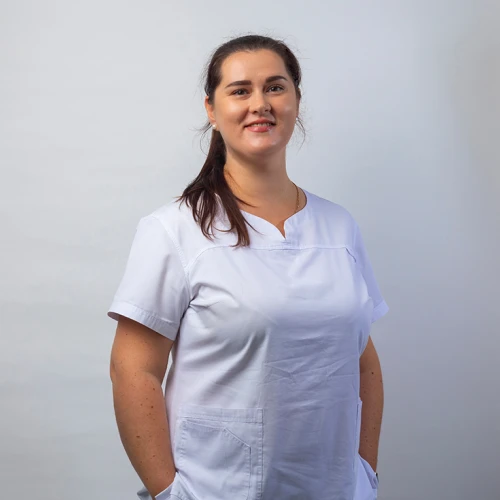
Tyran Iryna Viktorivna
4.94
rating (17)
14+
Years of experience
Online consultation
Cardiologist
14+ Years of experience
Consultation 1100
Make an appointment
All doctors
Reviews
Наталія 07.08.2026
Прийшла на консультацію через підвищений тиск. Володимир Ярославович переглянув мої аналізи та попередні обстеження, розпитав, які препарати приймаю, і скоригував лікування. Через деякий час тиск став стабільнішим. Дуже вдячна лікарю за уважність і професійний підхід.
Star Star Star Star Star
Людмила 07.08.2026
Звернулася до Зінченко Ольги Миколаївни через стрибки тиску та прискорене серцебиття. Лікарка уважно переглянула попередні обстеження, скоригувала лікування та пояснила, як правильно контролювати тиск удома. Через деякий час показники стали стабільнішими, а самопочуття значно покращилося.
Star Star Star Star Star
Current information
All Articles
Sign up via call center
in the clinic
online
This site is protected by reCAPTCHA technology, and the Google Privacy Policy and Terms of Service apply.
Hello!
Let's take care
about your health:
Sign up via call center

We use cookies and other technologies to remember your preferences and find out exactly how you use and interact with the site.

By using our site, you also agree to the terms of the "User Agreement" and "Regulation on the processing and protection of personal data". By clicking "I AGREE", you consent to the processing of your data.