Contents:
- Causes of atherosclerosis
- Types of arteriosclerosis
- Development of atherosclerosis
- Symptoms and clinical manifestations of atherosclerosis
- How to detect atherosclerosis
- How to treat atherosclerosis
- Possible complications of atherosclerosis
- Prevention of atherosclerosis
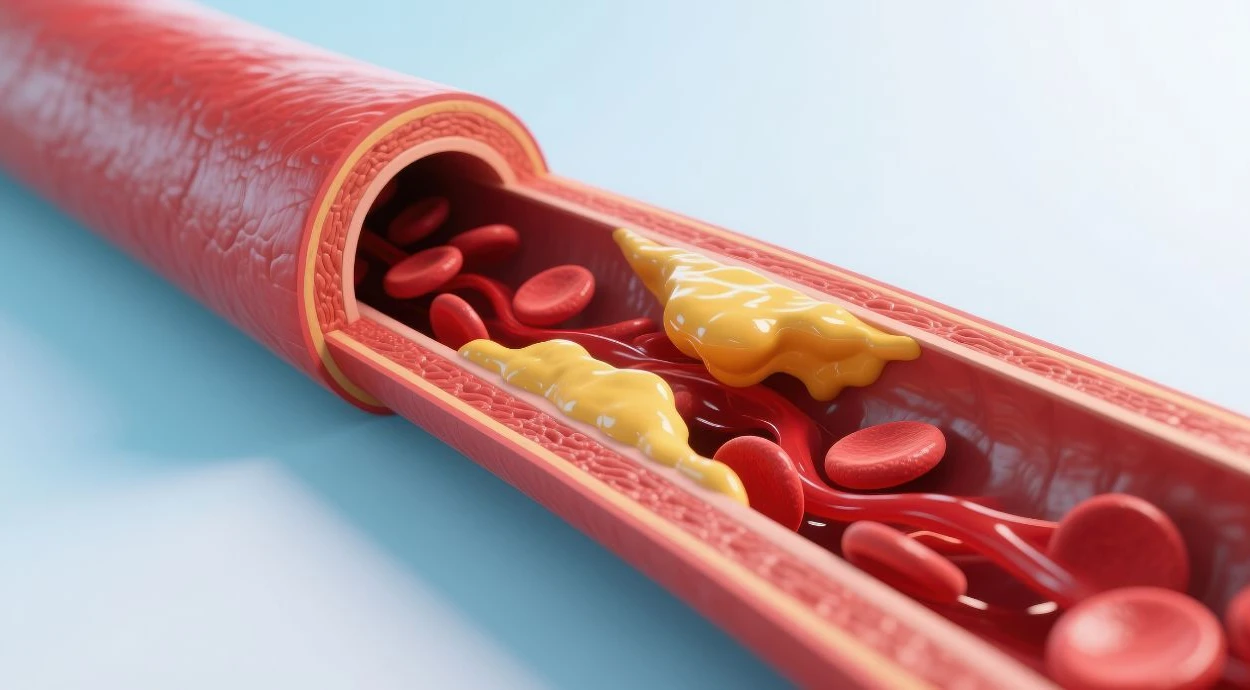
Atherosclerosis — is a chronic disease of the arteries in which lipids, particularly cholesterol, accumulate in their walls and atherosclerotic plaques form. Over time, they can narrow the lumen of the vessel and impair the blood supply to organs. The disease may remain asymptomatic for a long time, but its progression gradually increases the risk of myocardial infarction, stroke, and other cardiovascular complications.
In this article, we will explain why atherosclerosis develops, which symptoms may indicate vascular damage, and how diagnosis is performed. We will also explain which treatment methods are used and what helps reduce the risk of complications.
Causes of atherosclerosis
According to National Heart, Lung, and Blood Institute (NHLBI), atherosclerotic plaques form gradually due to the accumulation of cholesterol and other substances in the walls of the arteries. This process is accelerated by lipid metabolism disorders, high blood pressure, and other factors that affect the condition of blood vessels over many years.
To put it more simply, when considering what causes blood vessels to become clogged, the following factors are most important:
-
elevated LDL levels and other lipid metabolism disorders;
-
diabetes mellitus;
-
smoking;
-
excess body weight;
-
insufficient physical activity;
-
chronic kidney disease;
-
hereditary predisposition;
-
older age.
Oxford Medical doctors explain: despite the widespread belief, it is incorrect to say that atherosclerosis begins to develop at the age of 40 or 50. Initial changes in the arteries may begin to form much earlier, while clinical manifestations appear later — after the gradual progression of the process over many years.
Types of arteriosclerosis
Arteriosclerosis — is a broader concept that refers to thickening and loss of elasticity of the arterial walls. Atherosclerosis is one of its types and is characterized by the formation of lipid plaques. In clinical practice, the forms of atherosclerosis are most often distinguished according to which arteries are affected.
| Location | Manifestations |
| Coronary arteries | The blood supply to the heart muscle worsens, which can lead to angina pectoris or coronary heart disease. |
| Carotid and other arteries supplying blood to the brain | The risk of transient ischemic attack and stroke increases. |
| Aorta | Atherosclerosis of the aorta, or aortosclerosis, may affect the thoracic or abdominal section of the largest artery in the body. |
| Arteries of the lower extremities | Insufficient blood supply may cause pain in the legs while walking and other manifestations of peripheral artery disease. |
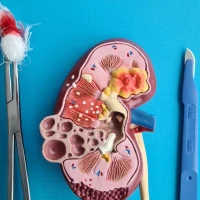
| Renal arteries | Narrowing of the blood vessels may impair the blood supply to the kidneys and make blood pressure more difficult to control. |
| Mesenteric arteries | The blood supply to the intestines is impaired, which, in cases of significant narrowing, may lead to ischemia. |
In some patients, atherosclerotic changes are detected simultaneously in several vascular territories. This course is called multifocal atherosclerosis.
Development of atherosclerosis
Atherosclerosis develops gradually, and changes in the arterial wall pass through several successive stages. According to the classification of the American Heart Association, six main types of atherosclerotic lesions are distinguished — from the initial accumulation of lipids to the formation of a complicated plaque.
-
Type I — initial lesion. Individual macrophages appear in the inner layer of the artery, accumulate lipids, and turn into foam cells. Such initial atherosclerosis does not narrow the vessel and does not cause symptoms.
-
Type II — fatty streak. The number of foam cells increases, and visible accumulations of lipids form in the arterial wall.
-
Type III — intermediate lesion, or preatheroma. In addition to intracellular lipids, extracellular fat droplets begin to accumulate.
-
Type IV — atheroma. Extracellular lipids form a pronounced lipid core.
-
Type V — fibroatheroma. Fibrous tissue forms over the lipid core, and the plaque may become denser and calcified.
-
Type VI — complicated atherosclerotic lesion. A rupture, erosion, or hemorrhage may occur on the surface of the plaque, after which a thrombus forms.
Complicated atherosclerotic plaques pose the greatest danger because their damage may lead to the formation of a thrombus and an acute disruption of the blood supply to an organ.
Symptoms and clinical manifestations of atherosclerosis
.jpg)
In the early stages, atherosclerosis usually has no noticeable manifestations. Symptoms are more likely to occur when the artery becomes so narrowed that an organ or tissue begins to receive insufficient blood and oxygen. According to National Heart, Lung, and Blood Institute (NHLBI), the nature of the symptoms depends primarily on the location of the affected blood vessels.
The most typical clinical manifestations include:
-
with damage to the coronary arteries — pain, pressure, or discomfort behind the breastbone, shortness of breath, weakness during physical exertion;
-
with narrowing of the arteries of the lower extremities — pain or cramps in the calves, thighs, or buttocks while walking, which decrease after rest;
-
with damage to the carotid or vertebral arteries — sudden weakness or numbness on one side of the body, speech or vision disturbances, which may be signs of a transient ischemic attack or stroke;
-
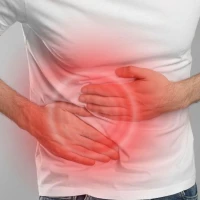
with atherosclerosis of the mesenteric arteries — abdominal pain after eating, decreased appetite, and weight loss;
-
with narrowing of the renal arteries — increased blood pressure that may respond poorly to treatment, and with significant impairment of blood flow — deterioration of kidney function.
At the same time, dizziness or memory impairment are not specific symptoms of atherosclerosis. They may occur with many other diseases.
Oxford Medical doctors emphasize: sudden severe chest pain or pressure may be a sign of myocardial infarction, while facial asymmetry, weakness or numbness of an arm or leg, speech impairment, or sudden loss of vision may indicate a stroke. If such symptoms appear, emergency medical assistance should be called immediately.
How to detect atherosclerosis
First, the doctor asks about the symptoms and medical history, measures blood pressure, performs an examination, and then orders the necessary tests. The following are most often prescribed to assess the condition:
-
a lipid profile — determination of total cholesterol, LDL, HDL, and triglycerides;
-
a blood glucose test and, if indicated, glycated hemoglobin;
-
electrocardiography to assess heart function and detect possible signs of ischemia;
-
duplex ultrasound of the arteries of the neck, lower extremities, or other blood vessels;
-
angiography if it is necessary to determine the location and degree of arterial narrowing in detail.
If there is chest pain or discomfort, shortness of breath, a significant decrease in exercise tolerance, or several cardiovascular risk factors, an appointment with a cardiologist may be necessary. After the examination, the doctor may prescribe an ultrasound of the heart to assess its structure and function, as well as determine whether there are indications for further examination of the coronary arteries.
How to treat atherosclerosis
Treatment of atherosclerosis is aimed not only at lowering cholesterol levels but also at slowing the progression of plaques and reducing the risk of heart attack, stroke, and other complications.
The main treatment approaches include:
-
lowering LDL levels with statins and, if necessary, other lipid-lowering medications;
-
control of blood pressure and glucose levels;
-
smoking cessation;
-
correction of diet and body weight;
-
regular physical activity taking into account the condition of the cardiovascular system;
-
antithrombotic therapy according to the relevant indications;
-
stenting, endarterectomy, or bypass surgery in cases of significant narrowing or blockage of certain arteries.
Oxford Medical doctors recommend not discontinuing prescribed therapy after the lipid profile values have normalized. Cholesterol and other risk factors usually require long-term monitoring in patients with atherosclerosis, and the treatment regimen is adjusted based on the results of follow-up examinations.
The answer to the question of whether atherosclerosis can be cured depends on the stage of the disease. In the early stages, correction of risk factors and medication therapy can stabilize plaques and, in some people, contribute to their regression. With pronounced changes, it is not always possible to fully restore the artery, so the main goal of treatment is to slow or stop the progression of the disease and prevent complications.
.jpg)
Possible complications of atherosclerosis
Complications of atherosclerosis occur when a plaque significantly narrows an artery or becomes damaged with the formation of a thrombus. The consequences depend on which organ’s blood supply is impaired and how quickly the blood flow decreases or stops.
The most dangerous complications include:
-
myocardial infarction — occurs when blood flow through a coronary artery suddenly stops, causing part of the heart muscle to receive insufficient oxygen and begin to become damaged;
-
ischemic stroke — develops when an artery in the brain becomes blocked, leading to an acute disruption of blood supply and damage to brain tissue;
-
transient ischemic attack — a temporary disruption of the blood supply to the brain in which symptoms resolve, but a high risk of stroke remains;
-
ischemia of the lower extremities — insufficient blood flow to the tissues of the legs, which may cause severe pain, poor wound healing, and, in severe cases, necrosis and gangrene;
-
intestinal ischemia — impaired blood supply to the intestines, which may cause severe abdominal pain, tissue damage, and tissue death;
-
impaired kidney function — narrowing of the renal arteries reduces the blood supply to the kidneys, which may contribute to deterioration of their function and persistent elevation of blood pressure.
Such complications may pose an immediate threat to life or lead to persistent impairment of organ function, so it is important to monitor the course of the disease and cardiovascular risk factors in a timely manner.
Prevention of atherosclerosis
Prevention of atherosclerosis is aimed at reducing cardiovascular risk and controlling the factors that accelerate plaque formation. LDL levels, blood pressure, blood glucose, smoking, body weight, diet, and physical activity are of greatest importance.
To reduce the risk of developing and progressing atherosclerosis, it is recommended to:
-
regularly monitor blood pressure, lipid profile, and glucose levels;
-
stop smoking;
-
maintain a normal body weight;
-
limit foods high in saturated fats and trans fats;
-
include vegetables, fruits, whole-grain products, fish, legumes, and nuts in the diet more often;
-
maintain regular physical activity appropriate for age and health status;
-
treat diabetes mellitus, arterial hypertension, and other chronic diseases in a timely manner.
Oxford Medical doctors recommend not waiting for symptoms to appear, especially for people with a family history of early heart attacks or strokes or with several risk factors. Regular preventive monitoring helps detect undesirable changes in a timely manner and adjust lifestyle or treatment before complications develop.
The information in this article is provided for informational purposes and is not an instruction for self-diagnosis or treatment. If symptoms of the disease appear, you should consult a doctor.
Sources:
National Heart, Lung, and Blood Institute
U.S. National Library of Medicine
```