


Contents:
- Pus on the gums: symptoms and why it is dangerous
- Causes of gum suppuration
- What to do if there is an abscess on the gums
- Pus in the gums: treatment
- How to prevent gum suppuration
Gum inflammation may not cause severe pain for a long time, so the first changes can easily be overlooked. However, the appearance of swelling with purulent contents on the gums is often associated with a bacterial infection.
In this article, we will explain why pus appears on the gums, which diseases may cause it, and what to do before visiting a dentist. We will also explain how treatment is performed and what helps reduce the risk of recurrent suppuration.
Pus on the gums: symptoms and why it is dangerous
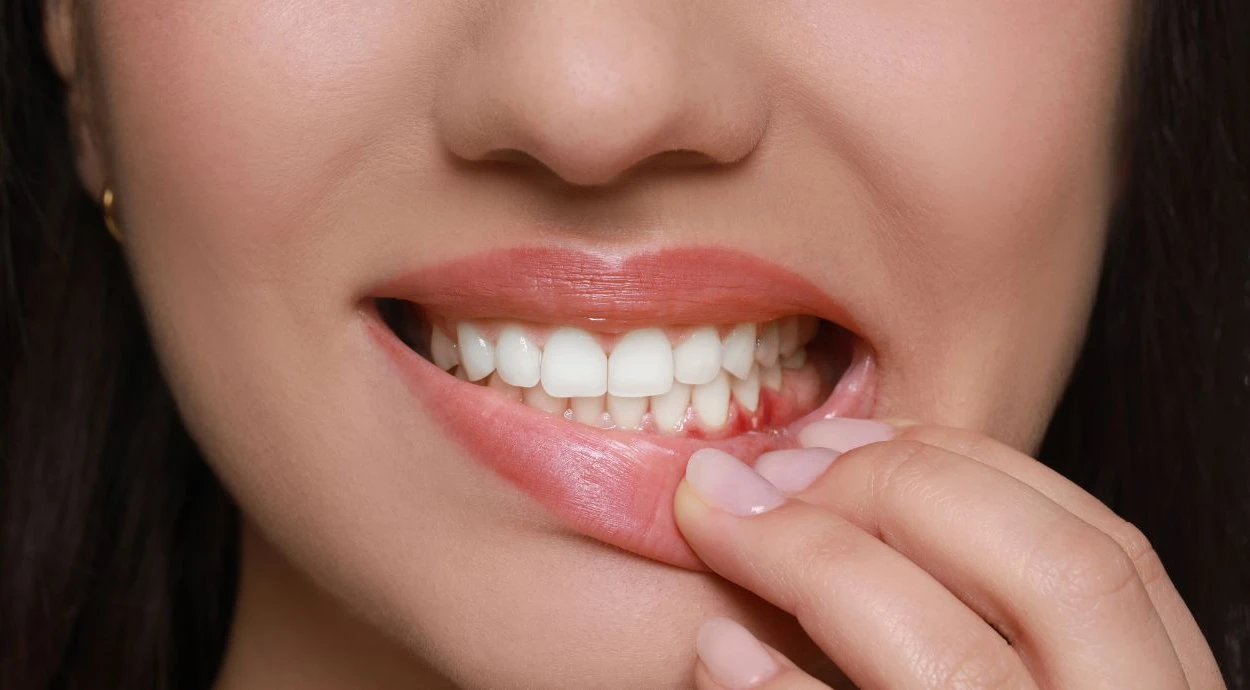
Pus from the gums most often appears due to a localized infection in the area of a tooth or periodontal tissues. Externally, it may look like a small swelling, a whitish or yellowish area on the gums, or a lesion from which pus is discharged. The pain may vary in intensity and sometimes may cause almost no discomfort.
Suppuration may be accompanied by the following symptoms:
- redness and swelling of the gums;
- pain or a feeling of pressure in the tooth area;
- pain when biting;
- an unpleasant taste or bad breath;
- discharge of pus when pressure is applied to the gums;
- increased tooth mobility;
- fever and enlarged lymph nodes if the infection spreads.
The danger is that a purulent focus does not always remain localized. Without treatment, the infection can spread to surrounding tissues, worsen the condition of the periodontium, and increase the risk of tooth loss. In rare severe cases, the infection may spread to the tissues of the face and neck.
Doctors at Oxford Medical recommend: if the swelling increases, pronounced facial swelling or high fever develops, or it becomes difficult to open the mouth, swallow, or breathe, emergency medical care is required. Such signs may indicate that the infection has spread beyond the gums.
Causes of gum suppuration
Gum suppuration occurs when a bacterial infection develops in the tissues near a tooth and a focus containing pus forms. The source of inflammation may be located directly in the gums, in the periodontal tissues, or near the tooth root, so abscesses that look similar externally may have different origins.
The most common causes are:
- periodontitis — when deep periodontal pockets form, bacteria accumulate in them, which can lead to the formation of a periodontal abscess;
- tooth decay and its complications — the infection may penetrate the pulp and then spread through the root canals to the tissues around the root;
- inflammation around a wisdom tooth that has not fully erupted — food debris and bacteria accumulate under the gum tissue;
- gum injury caused by a sharp tooth edge, filling, denture, or foreign object;
- insufficient oral hygiene, which leads to the accumulation of plaque and tartar and maintains inflammation.
Sometimes an abscess on the gums appears near a tooth that was previously treated if an infection persists or develops again in the root area. To accurately determine the cause of suppuration, the dentist performs an examination and, if necessary, prescribes an X-ray examination.
What to do if there is an abscess on the gums
If an abscess appears on the gums, a consultation with a periodontist is necessary, even if the pain is mild or the swelling has decreased on its own. Some of the pus may drain out, but the cause of the inflammation often remains and requires treatment.
Before visiting the dentist, you can:
- gently brush your teeth with a soft toothbrush without injuring the inflamed area;
- rinse your mouth with warm water or a saline solution;
- take a pain reliever if necessary (if there are no contraindications);
- apply a cold compress to the cheek if there is swelling;
- avoid very hot foods and drinks.
If you are wondering how to draw pus out of the gums, you should not try to do this yourself. The dentist first determines the source of the infection and then performs the necessary treatment, which may include drainage of the purulent focus and elimination of the cause of inflammation.
Pus in the gums: treatment

The treatment approach depends on the cause of pus in the gums. First, the dentist determines the source of the infection and then selects a method that makes it possible not only to eliminate the purulent focus but also to stop the inflammatory process.
Depending on the cause, the following approaches may be used:
- for a periodontal abscess — cleaning the periodontal pocket, removing bacterial deposits, and ensuring drainage of pus;
- for periodontitis — root canal treatment and elimination of the infection in the root area;
- for inflammation around a wisdom tooth — cleaning the area under the gum and, if indicated, removing the tooth;
- for gum injury caused by a filling, crown, or other dental restoration — correcting it and treating the inflammation;
- if the tooth is severely damaged and cannot be restored — removing it followed by cleaning of the infected area.
Doctors at Oxford Medical recommend: after treatment, carefully maintain oral hygiene and attend follow-up examinations within the timeframes determined by the dentist. This is especially important if the cause of suppuration was gum disease or an infection in the tooth root area.
How to prevent gum suppuration
Prevention of suppuration primarily involves preventing prolonged inflammation in the area of the teeth and gums and treating dental diseases that may become a source of infection in a timely manner.
To reduce the risk of gum suppuration, it is recommended to:
- brush your teeth twice a day and clean the interdental spaces daily;
- undergo professional oral hygiene at intervals recommended by your dentist;
- treat tooth decay and inflammation of the tissues around the tooth in a timely manner;
- not postpone a visit to the dentist if there is bleeding, swelling, or pain in the gums;
- undergo regular preventive dental examinations;
- follow an individual treatment and monitoring plan for periodontal diseases.
An abscess on the gums should not be regarded as a temporary problem, especially if it recurs or is accompanied by pain and swelling. After the examination, the dentist determines the cause of the inflammation and selects treatment that helps eliminate the source of infection. Timely treatment of the teeth and gums, regular hygiene, and preventive examinations help reduce the risk of recurrent suppuration.
The information in this article is provided for informational purposes and is not an instruction for self-diagnosis or self-treatment. If symptoms of a disease appear, you should consult a doctor.
Sources: