



Table of Contents:
- What Healthy Teeth Look Like
- 10 Rules for Healthy Teeth
- Harmful Habits That Damage Teeth
- How to Keep Your Teeth Healthy: Preventive Dental Checkups
- When to See a Dentist
Regular toothbrushing, a balanced diet, and preventive dental checkups help prevent tooth decay, gum disease, and premature tooth loss. However, even with thorough oral care at home, problems may develop and remain unnoticed for a long time. Therefore, to maintain oral health, it is important to combine daily hygiene with professional preventive care.
In this article, we will discuss how to keep your teeth healthy throughout your life, which habits help protect tooth enamel and gums, and which gradually harm them. We will also explain how often you should visit a dentist and which symptoms you should pay attention to, even if your teeth do not hurt.
What Healthy Teeth Look Like
Healthy teeth have intact enamel without cavities, cracks, or chips. Their surface is usually smooth, without visible defects, and their color may range from milky white to slightly yellowish. Chewing, brushing, and consuming cold or hot foods do not cause pain or pronounced sensitivity. The gums fit snugly around the teeth, are not swollen, and do not bleed.
At the same time, appearance does not always reflect the condition of the teeth. For example, tooth decay may develop between teeth or beneath old fillings, remaining unnoticed during a routine examination in the mirror. In its early stages, it often causes no pain, so regular dental checkups are important even when there are no complaints.
10 Rules for Healthy Teeth
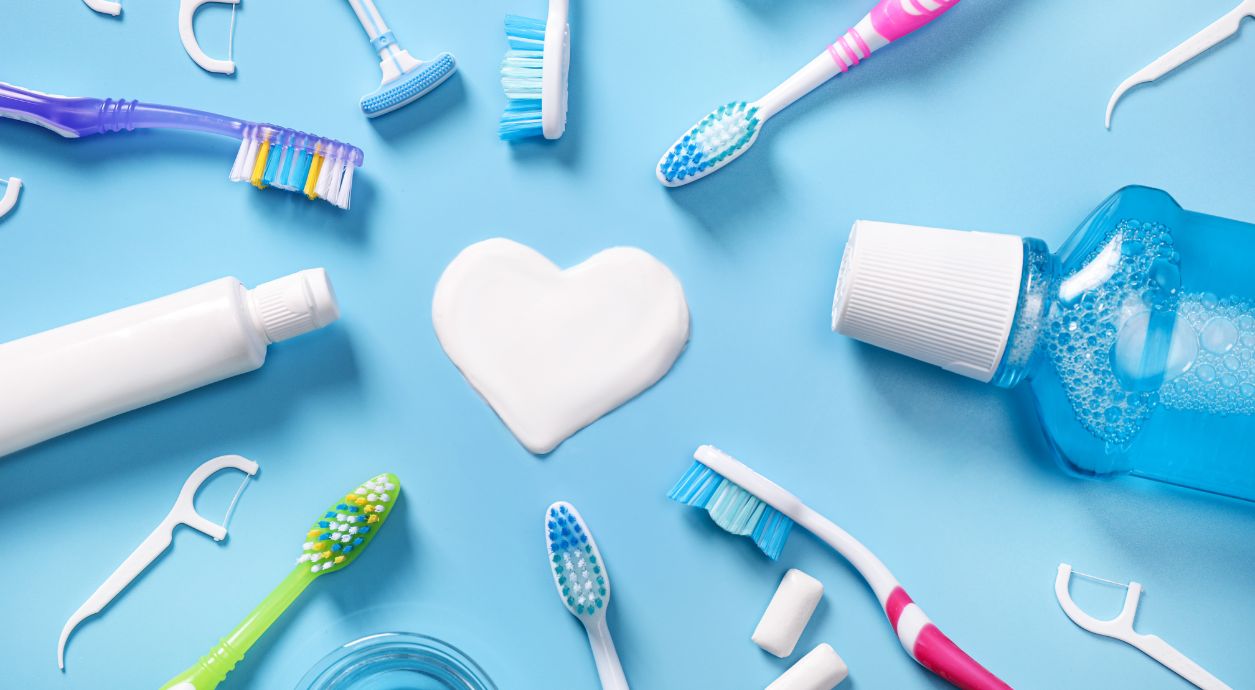
Dental health largely depends on daily care, nutrition, and lifestyle. Regular plaque removal helps prevent tooth decay and gum inflammation, while adequate fluoride intake helps strengthen tooth enamel. It is also important to limit frequent consumption of sugar and acidic drinks, which increase the risk of enamel damage.
The basic rules for healthy teeth are:
- Brush your teeth twice a day. You should brush your teeth in the morning and evening for at least two minutes. Use a toothbrush with soft or medium-stiff bristles, clean the outer, inner, and chewing surfaces, and pay attention to the areas near the gums. It is important to know how to brush your teeth properly, as excessive pressure and incorrect brushing movements can injure the tissues. According to the recommendations of the American Dental Association, regular brushing twice a day for two minutes is the foundation of preventing oral diseases.
- Use fluoride toothpaste. Fluoride helps restore the mineral composition of tooth enamel and increases its resistance to acids produced by bacterial activity. Toothpastes containing 1350–1500 ppm fluoride are suitable for most adults.
- Clean between your teeth every day. Even thorough brushing cannot completely remove plaque from the spaces between teeth. These are the areas where interproximal tooth decay often develops and can be difficult to notice on your own. Dental floss or appropriately sized interdental brushes are used for cleaning. This procedure should preferably be performed daily, especially in the evening.
- Replace your toothbrush regularly. A toothbrush or an electric toothbrush head should be replaced approximately every 3-4 months. If the bristles spread in different directions, lose their shape, or become deformed, replacement is necessary sooner. Worn bristles are less effective at cleaning. After use, the toothbrush should be thoroughly rinsed with water and left to dry in an upright position.
- Limit the amount of sugar in your diet. Bacteria in dental plaque use sugars from food and drinks to produce acids that gradually remove minerals from tooth enamel. Frequently eating small portions of sweets throughout the day is particularly harmful. According to the recommendations of the World Health Organization, free sugars should account for less than 10% of total daily calorie intake, and reducing this amount to 5% is desirable to further lower the risk of tooth decay. These include added sugars as well as sugars naturally present in honey, syrups, and fruit juices.
- Maintain a balanced diet. To maintain dental health, it is important to obtain sufficient protein, calcium, phosphorus, and vitamin D. Your diet should include dairy products, fish, eggs, meat, legumes, nuts, fresh vegetables, and whole fruits.
- Drink enough water. Water helps wash away food particles and partially reduce the concentration of acids in the mouth. Drinking water after meals is particularly beneficial when brushing your teeth is not possible.
- Reduce the frequency of snacking. After consuming foods containing sugars and starch, bacteria produce acids that lower the pH level in dental plaque. Saliva gradually neutralizes these acids, but frequent snacking prevents the acidity in the mouth from returning to its normal level. It is better to follow a regular eating schedule and, whenever possible, eat sweets during main meals.
- Care for your teeth properly after consuming acidic foods. Citrus fruits, fruit juices, carbonated drinks, and other acidic foods can cause enamel erosion. Unlike tooth decay, this type of damage is associated with direct exposure to acids rather than bacterial activity. After consuming acidic foods, it is advisable to rinse your mouth with water.
- Consider your individual oral care needs. Standard recommendations are sometimes insufficient, especially if you have braces, crowns, dental bridges, or implants. These dental restorations and appliances have areas where food particles and bacterial plaque can accumulate more easily. Special interdental brushes, a single-tuft toothbrush, or a water flosser may be needed as additional oral hygiene tools.
Doctors at Oxford Medical recommend choosing oral care products based on the condition of your teeth and gums, the presence of dental restorations or appliances, and your individual risk of tooth decay. Properly maintained daily oral hygiene helps reduce plaque accumulation and support oral health.
Harmful Habits That Damage Teeth
Even with regular brushing, certain everyday habits can gradually damage tooth enamel, cause cracks and chips, and increase tooth sensitivity.
Habits that can harm your teeth include:
- Smoking. Tobacco smoke contributes to the formation of stained plaque and increases the risk of gum disease, particularly periodontitis. In smokers, inflammation may develop without noticeable bleeding, and tissue healing after dental treatment is often slower.
- Grinding and clenching your teeth. With bruxism, the teeth are subjected to excessive pressure, which can lead to enamel wear, cracks, chips, and pain in the chewing muscles. This often occurs during sleep, when a person cannot control the clenching of their jaws.
- Chewing hard objects. Biting ice or nutshells can cause enamel chips, damage fillings, and even result in cracks.
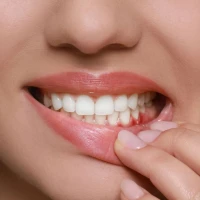
- Nail biting. Constant pressure on the front teeth can cause gradual wear of their edges, as well as microcracks and chips.
- Brushing too aggressively. Applying excessive pressure with a toothbrush and making forceful horizontal movements can injure the gums, contribute to gum recession, and gradually wear down the hard dental tissues near the tooth necks.
According to the National Institute of Dental and Craniofacial Research, smoking is one of the most important risk factors for gum disease. It can also worsen the outcomes of periodontitis treatment, so quitting tobacco helps reduce the risk of tooth loss.
Doctors at Oxford Medical recommend paying attention to signs of excessive enamel wear, the appearance of cracks, and jaw discomfort after sleep. These symptoms may indicate bruxism. In this case, a dentist may recommend a custom-made protective mouthguard that helps prevent further tooth damage.
How to Keep Your Teeth Healthy: Preventive Dental Checkups

Dentists recommend having a preventive dental checkup every six months, even if your teeth do not hurt and you have no other complaints. Regular visits help detect tooth decay, gum disease, and other problems in their early stages, when they have not yet caused noticeable symptoms. If the risk of dental diseases is increased, your dentist may recommend more frequent checkups.
During a preventive dental checkup, the dentist:
- checks the teeth for cavities, cracks, chips, and other damage;
- assesses the condition of fillings, crowns, and dentures and checks how well they fit;
- examines the gums for inflammation and signs of periodontal disease;
- checks the condition of the oral mucosa;
- assesses the amount of soft plaque and tartar, as well as the quality of at-home oral hygiene;
- prescribes dental X-ray examinations, when indicated, to detect hidden problems.
An important part of prevention is professional teeth cleaning, during which the dentist removes soft plaque and tartar, including from hard-to-reach areas. This procedure helps reduce the accumulation of bacterial deposits and the risk of gum inflammation. The frequency of the procedure is determined individually.
Doctors at Oxford Medical recommend informing your dentist about even minor changes during a preventive checkup, such as temporary sensitivity, food getting stuck between the teeth, or discomfort near a filling or crown. This helps draw attention to areas that require additional examination.
When to See a Dentist
You should not wait for a scheduled preventive checkup if you experience pain, discomfort, or other symptoms. An initial dental consultation is needed as soon as possible if:
- you experience tooth pain while chewing or for no apparent reason;
- your teeth have become more sensitive to cold, hot, or sweet foods and drinks;
- white or dark spots, cracks, or chips are visible on the enamel;
- you experience regular bleeding gums, redness, or swelling;
- you develop persistent bad breath or an unpleasant taste in your mouth;
- a filling, crown, or another dental restoration becomes damaged or falls out;
- a tooth becomes loose.
During the consultation, the dentist will determine the cause of the symptoms and select the necessary treatment. For example, timely tooth decay treatment helps stop tooth destruction and reduce the risk of complications.
Regular oral care, a balanced diet, and preventive dental checkups help keep your teeth healthy throughout your life. It is important not to ignore the first signs of dental disease, as timely treatment helps prevent more serious problems.
The information provided in this article is for informational purposes only and is not intended as instructions for self-diagnosis or self-treatment. If symptoms of a disease occur, you should consult a doctor.
Sources:
American Dental Association (ADA)
World Health Organization (WHO)
National Institute of Dental and Craniofacial Research (NIDCR)