


Contents:
- Why Throbbing Head Pain Occurs
- Throbbing Pain in the Temples
- Throbbing Pain in the Back of the Head
- Severe Throbbing Headache
- Pulsation in the Head Without Pain
- Sensation of Pulsation in the Head: When Is It Dangerous?
- What to Do About Throbbing Head Pain
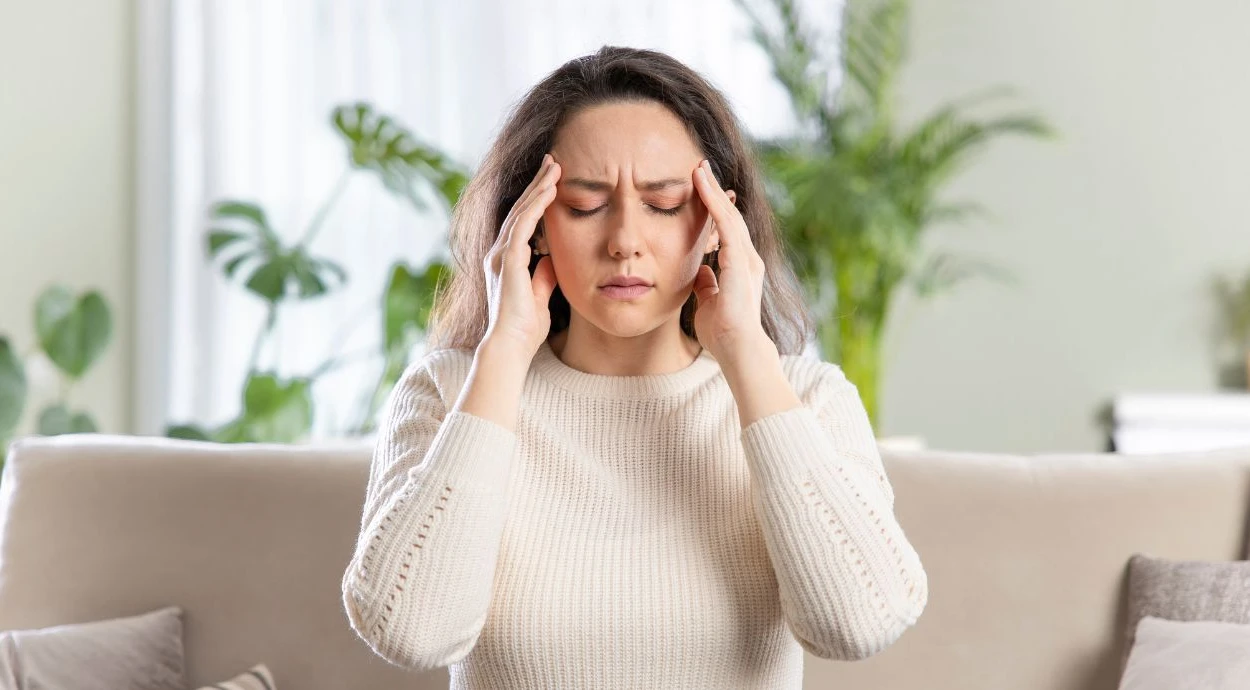
Throbbing pain in the temples, the back of the head, or on one side of the head may occur after overexertion, lack of sleep, or severe stress. Sometimes it quickly disappears after rest, but in other cases, the unpleasant sensations last for hours, recur, or intensify during everyday activities. The causes of this condition can vary, so it is important to pay attention to the nature of the pain and accompanying symptoms.
In this article, we will examine why pulsation occurs in the head, what pain in different areas of the head may indicate, and when there is reason for concern. We will also explain how to relieve symptoms, what examinations may be necessary, and what may help prevent recurring attacks.
Why Throbbing Head Pain Occurs
The sensation of rhythmic throbbing in the head does not always indicate problems with blood vessels. Such pain may occur due to changes in the functioning of the nervous system, increased sensitivity to pain signals, or the influence of external factors. To understand its cause, it is important to consider when the pulsation appears, how long it lasts, and what symptoms accompany it.
The most common causes include:
- Migraine. A neurological disorder characterized by recurrent attacks of throbbing pain, often accompanied by nausea and increased sensitivity to light and sounds.
- Physical overexertion. Intense workouts, running, or lifting heavy objects can sometimes trigger headaches associated with physical activity.
- Lack of sleep and disrupted sleep patterns. Insufficient rest can increase sensitivity to pain and trigger migraine attacks.
- Dehydration. Insufficient fluid intake, especially in hot weather or after intense physical activity, may contribute to the development of headaches.
- Infectious diseases. During influenza, other viral infections, or inflammation of the paranasal sinuses, pain may be accompanied by fever, weakness, and other symptoms.
- Significant increases in blood pressure. In some cases, severe hypertension may be accompanied by a severe headache, although ordinary increases in blood pressure often cause no symptoms.
It is also important to distinguish between throbbing and pressing pain. For example, tension headache is usually experienced as pressure or tightness on both sides of the head rather than rhythmic throbbing.
Throbbing Pain in the Temples
Pulsation in the temporal region may occur on one or both sides of the head. Sometimes it feels like gentle tapping, while in other cases it develops into pronounced pain that interferes with working, resting, or concentrating.
Superficial blood vessels pass through the temporal region, so a person may feel rhythmic throbbing particularly clearly. However, pulsation itself does not mean that a vascular disease is present.
To determine the cause, it is important to pay attention to whether the pain intensifies during movement, chewing, or touching the temple, as well as whether it is accompanied by other unpleasant sensations.
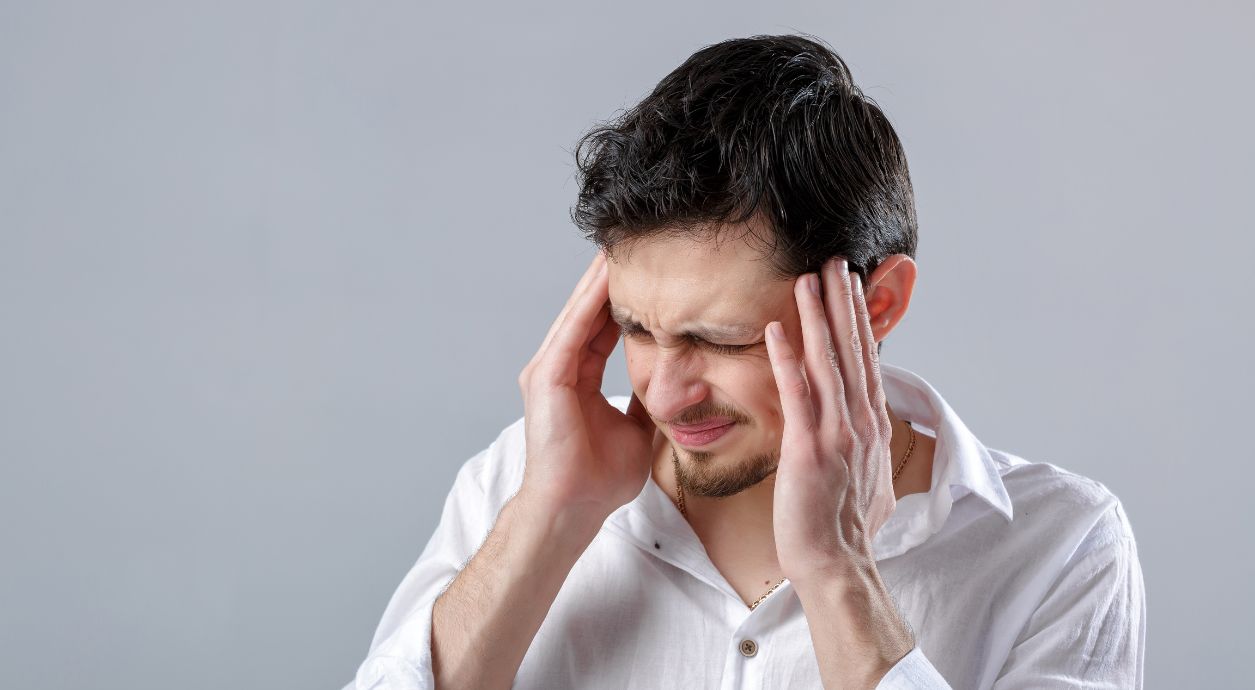
Throbbing Pain in the Left Temple
If pulsation occurs predominantly on the left side, one possible cause is migraine. In this case, the pain may gradually intensify, spread to the area around the eye or forehead, and become more severe during normal physical activity.
During a migraine attack, nausea and intolerance to bright light or loud sounds may also occur. Some people experience an aura before an attack — temporary visual disturbances such as shimmering spots, flashes of light, or zigzag lines in front of their eyes.
Doctors at Oxford Medical recommend paying attention to the frequency of such attacks and the circumstances in which they occur. For example, if the pain recurs after insufficient sleep, a skipped meal, or on certain days of the menstrual cycle, this information may help the doctor identify possible triggering factors.
Throbbing Pain in the Right Temple
Pain on the right side may occur for the same reasons as pain on the left. However, sometimes its source is not the headache itself but diseases affecting neighboring anatomical structures.
For example, in cases of temporomandibular joint dysfunction, unpleasant sensations may spread to the temple and the area in front of the ear. In such cases, the pain often intensifies during chewing and may be accompanied by clicking in the joint or difficulty opening the mouth.
Doctors at Oxford Medical note that sudden pain in the temple in people over the age of 50 requires particular attention. This is especially true if it is accompanied by scalp tenderness, jaw pain when chewing, or visual disturbances. Such symptoms may indicate temporal arteritis — an inflammatory disease of the arteries that requires urgent medical attention because of the risk of vision loss. At the same time, temporal arteritis can affect blood vessels on either side of the head, so its location on the right is not a defining characteristic.
Throbbing Pain in the Back of the Head
Pulsation in the back of the head may be associated with tension in the neck muscles, disorders of the cervical spine, or migraine. The nature of the pain and its relationship to movement help the doctor distinguish between possible causes.
For example, a cervicogenic headache occurs due to disorders affecting structures of the cervical spine. It often begins in the neck or back of the head, may spread to the temple or forehead, and intensifies when turning the head. Sometimes stiffness and limited neck mobility occur at the same time.
Another possible cause is occipital neuralgia — irritation or damage to the occipital nerves. However, this condition is more commonly characterized by sharp, shooting pain rather than rhythmic throbbing. The pain may spread from the base of the skull upward across the scalp.
If discomfort in the back of the head recurs or is accompanied by neck pain and restricted neck mobility, a neurologist consultation is necessary to determine the cause.
Severe Throbbing Headache
Intense throbbing that interferes with everyday activities often occurs during a migraine attack. According to the classification of the International Headache Society, a typical migraine attack without aura can last from 4 to 72 hours without successful treatment. The pain often intensifies during walking, climbing stairs, or other ordinary movements.
Another possible cause of very severe one-sided pain is a cluster headache. Unlike migraine, it is usually concentrated around one eye, lasts from 15 to 180 minutes, and may recur several times a day. It is often accompanied by tearing, redness of the eye, or nasal congestion on the same side.
Doctors at Oxford Medical emphasize that an attack that begins suddenly and reaches maximum intensity within seconds or minutes requires particular attention. Such a condition may be a sign of intracranial hemorrhage or another acute disease and requires immediate medical attention.
If a severe headache occurs for the first time, differs noticeably from previous attacks, or gradually becomes more intense, it should not be attributed to overexertion or changes in the weather. In such cases, it is important to undergo a medical examination promptly.
Pulsation in the Head Without Pain
Sometimes a person experiences pulsation in the head even though there is no pain. In some cases, this is associated with normal physiological responses of the body, but sometimes it may indicate certain disorders.
Possible causes of pulsation without pain include:
- Physical activity or stress. Due to an increased heart rate, a person may feel pulsation more strongly, which usually disappears after rest.
- Blood pressure fluctuations. Significant changes in blood pressure are sometimes accompanied by a sensation of pulsation, although this symptom alone cannot determine the blood pressure level.
- Anemia or increased thyroid activity. These conditions can affect the functioning of the cardiovascular system and intensify the sensation of a heartbeat.
- Pulsatile tinnitus. A condition in which a person hears rhythmic noise, knocking, or humming in the ears that coincides with the heartbeat. Sometimes it is associated with changes in blood flow in vessels near the ear.
According to the National Institute on Deafness and Other Communication Disorders, pulsatile tinnitus may occur due to vascular disorders and other diseases and therefore requires identification of the underlying cause.
If pulsation occurs in the head without pain, it is worth paying attention to how often it happens, whether the throbbing coincides with the heartbeat, and whether ringing or noise in the ears occurs at the same time. If the sensation recurs, does not disappear after rest, or appears without an obvious cause, it is necessary to consult a doctor. Depending on the symptoms, a consultation with a neurologist or otolaryngologist and various examinations may be required.
Sensation of Pulsation in the Head: When Is It Dangerous?
Sometimes pulsation in the head may be one of the manifestations of acute disorders of cerebral circulation, intracranial hemorrhage, or infections of the nervous system.
Emergency medical services must be called immediately if:
- the headache begins suddenly and reaches maximum intensity within a few seconds or minutes;
- weakness or numbness of the limbs, facial asymmetry, speech disturbances, or impaired coordination of movements appear;
- the pain is accompanied by high fever, pronounced stiffness of the neck muscles, or impaired consciousness;
- seizures, sudden loss of vision, or severe confusion occur;
- an intense headache develops after a head injury.
Such symptoms may indicate conditions in which delaying medical care increases the risk of serious complications.
According to the recommendations of the National Institute for Health and Care Excellence (NICE), additional examination is also required for headaches that occur for the first time during physical exertion, coughing, or straining, noticeably change in character, or gradually intensify.
Even if there are no signs of an emergency, it is advisable to consult a doctor if attacks begin occurring more frequently, become longer, or familiar painkillers stop helping. It is especially important not to delay examination if a headache first appears after the age of 50, during pregnancy, or in the postpartum period.
What to Do About Throbbing Head Pain

If the pain is moderate, occurs after overexertion, lack of sleep, or stress, and is not accompanied by alarming symptoms, you can first try to relieve the condition on your own. However, it is important to remember that there is no universal way to eliminate a throbbing headache.
To help relieve symptoms, you can:
- Rest in a quiet room. Dim lighting and the absence of loud sounds are particularly helpful if the pain is accompanied by sensitivity to light or noise.
- Drink water. If discomfort occurs after exposure to heat, physical activity, or insufficient fluid intake, restoring fluid balance may improve well-being.
- Take a break from work. Temporarily avoid intense physical activity, prolonged use of electronic devices, and activities that aggravate the pain.
- Eat if you have not had a meal for a long time. Long intervals between meals can trigger headaches in some people.
- Take a pain reliever if necessary. Paracetamol or ibuprofen may relieve pain, but they should be used according to the instructions and with consideration of contraindications.
You should not independently increase medication dosages or combine several painkillers. Frequent use of these medications can lead to medication-overuse headache, in which attacks gradually become regular.
If the symptom recurs, the best next step is to consult a neurologist. During the appointment, the doctor will clarify the nature, duration, and frequency of the attacks, perform a neurological examination, and determine whether additional diagnostic tests are necessary.
Depending on the symptoms, laboratory tests, ultrasound examination of the blood vessels of the head and neck, and other examinations may be prescribed. If structural changes in the brain or other diseases are suspected, the doctor may order a brain MRI. If acute intracranial hemorrhage is suspected, CT is usually the first-line diagnostic method.
To prevent recurring attacks, it is also important to maintain a regular sleep schedule, avoid skipping meals, drink enough fluids, and avoid overexertion. If the headache is associated with chronic insomnia, frequent nighttime awakenings, or apnea, treatment of sleep disorders may be necessary to relieve the condition.
Pulsation in the head can have various causes, so in cases of recurring or unusual attacks, it is important not to rely solely on painkillers. Timely diagnosis helps select appropriate treatment and reduce the frequency of headaches.
The information provided in this article is for informational purposes only and is not intended as a guide to self-diagnosis or self-treatment. If symptoms of a disease appear, you should consult a doctor.
Sources: