



Table of Contents:
- Why There Is No Appetite
- Why You Don't Feel Like Eating: Psychological Causes
- Decreased Appetite Due to Diseases
- Feeling Nauseated and Having No Appetite: What Does It Mean?
- Loss of Appetite in Children and Adolescents
- No Appetite in a Child
- Why an Adolescent Has No Appetite
- No Appetite During Pregnancy
- What to Do If You Have No Appetite
- What to Eat When You Have No Appetite
- How to Establish an Eating Routine When Appetite Is Reduced
- How to Restore Appetite
Decreased appetite may be associated with stress, overwork, taking medications, or various diseases. Sometimes the desire to eat returns on its own after a few days, but in some cases the problem persists longer. If loss of appetite is accompanied by nausea, weakness, abdominal pain, or weight loss, it is important to determine the cause.
In this article, we will examine why appetite disappears in adults, children, and adolescents, and how psychological state and diseases affect it. We will also explain what to do if you do not feel like eating, which foods are better to choose, and how to gradually restore normal eating habits.
Why There Is No Appetite
The cause of a reduced appetite is not always related to digestion. The desire to eat may change due to emotional state, infections, chronic diseases, or the effects of medications. To determine what is causing the loss of appetite, it is important to consider when it began, how long it has lasted, and whether it is accompanied by other symptoms.
Why You Don't Feel Like Eating: Psychological Causes
Emotional state directly affects appetite. During periods of intense worry or psychological stress, a person may eat significantly less than usual, even if they have never had problems with eating before.
The most common psychological causes include:
- acute stress — during intense emotional distress, the feeling of hunger may be temporarily suppressed;
- anxiety — constant worry and nervous tension may reduce the desire to eat;
- depression — changes in appetite may be accompanied by depressed mood, fatigue, sleep disturbances, and loss of interest in usual activities.
According to the National Institute of Mental Health, changes in appetite and body weight are among the possible symptoms of depression.
If psychogenic loss of appetite persists for a long time, a consultation with a psychotherapist may be helpful. At the same time, it is important to rule out possible physical causes of this condition.
Decreased Appetite Due to Diseases
Some diseases affect the feeling of hunger, while others cause unpleasant symptoms that lead a person to eat less. For example, appetite often decreases temporarily during infections, whereas in chronic conditions the problem may persist for weeks or gradually worsen.
Possible causes include:
- Infectious diseases. Influenza, acute respiratory viral infections, intestinal infections, and other infections may be accompanied by fever, weakness, and decreased appetite. Usually, the desire to eat gradually returns after recovery.
- Diseases of the digestive system. Gastritis, peptic ulcer disease, functional dyspepsia, and other conditions may cause pain, heartburn, or a feeling of fullness after eating. As a result, a person may deliberately reduce portion sizes or skip meals.
- Endocrine disorders. In some thyroid diseases, particularly hypothyroidism, appetite may decrease. At the same time, such changes are not a specific symptom of hormonal disorders.
- Chronic diseases of internal organs. Liver and kidney dysfunction, heart failure, and certain oncological diseases may also be accompanied by decreased appetite.
- Diseases of the oral cavity. Toothache, gum inflammation, or difficulty chewing food may lead to refusal to eat.
The effects of medications should also be considered separately. Some antibiotics, painkillers, and other medications can reduce appetite.
Doctors at Oxford Medical note: decreased appetite may have various causes, and in many cases an examination is necessary to identify them. First of all, the doctor assesses the condition of the digestive system, especially if the patient experiences abdominal pain, heartburn, bloating, or bowel movement disorders. Depending on the symptoms, laboratory tests, abdominal ultrasound, gastroscopy, and other examinations may be prescribed. If endocrine disorders are suspected, a thyroid ultrasound is performed and hormone levels are checked.
Feeling Nauseated and Having No Appetite: What Does It Mean?

Nausea is often accompanied by decreased appetite because even the sight or smell of food may intensify unpleasant sensations. This combination of symptoms occurs with food poisoning, intestinal infections, diseases of the digestive system, and as a side effect of certain medications. According to MedlinePlus, nausea may also be caused by migraines, impaired gastric emptying, and other conditions.
To determine the possible cause, it is important to pay attention to accompanying symptoms:
- nausea, diarrhea, abdominal pain, and fever — may indicate an intestinal infection or food poisoning;
- nausea, heartburn, belching, and discomfort after eating — often occur with gastroesophageal reflux or dyspepsia;
- nausea, bloating, and prolonged delay in bowel movements — may accompany chronic constipation;
- nausea and rapid satiety after eating a small portion of food — are sometimes observed with delayed gastric emptying.
If nausea recurs, interferes with normal eating, or is accompanied by other digestive disorders, you should consult a doctor. A gastroenterologist can help determine the cause and select the necessary examinations.
In cases of repeated vomiting, severe abdominal pain, blood in vomit, or signs of dehydration, emergency medical care is necessary. A situation in which a person cannot even drink water because of vomiting is particularly dangerous.
Loss of Appetite in Children and Adolescents
In children, the desire to eat may change depending on age, growth rate, physical activity, and general well-being. If a child occasionally refuses food or eats less than usual, this does not always indicate a health problem. However, a prolonged decrease in appetite, especially when accompanied by weight loss, weakness, or other symptoms, requires attention.
No Appetite in a Child
At an early age, appetite often changes naturally. For example, after the first year of life, growth slows down, so a child may need less food than before. According to the American Academy of Pediatrics, children at this age may eat irregularly: eating well one day and significantly less the next.
However, loss of appetite in a child may also be associated with other causes:
- frequent snacking, sugary drinks, or excessive milk consumption between main meals;
- selective eating, reluctance to try new foods;
- disrupted daily routine, insufficient sleep, or overwork;
- sore throat, stomatitis, and other conditions that make eating difficult;
- infectious diseases, constipation, and other health problems.
Parents should pay attention not only to the amount of food eaten but also to the child's activity, growth, and weight gain. They should not force the child to eat or turn every meal into a conflict. It is better to offer a variety of foods in small portions and maintain a regular eating routine.
If a child eats significantly less than before for a long time, loses weight, becomes tired quickly, or complains of pain, an appointment with a pediatrician is necessary. The doctor will assess physical development, general health, and determine whether additional examinations are needed.
Why an Adolescent Has No Appetite
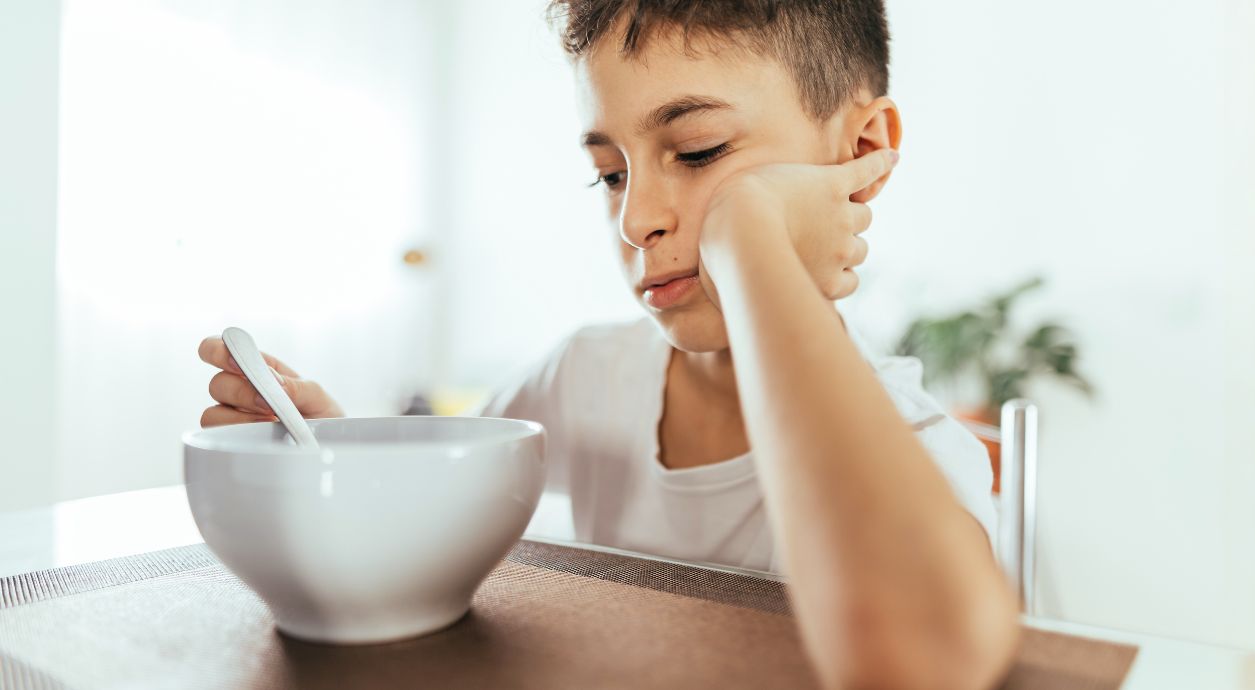
During adolescence, the body grows actively and needs sufficient nutrients. At the same time, due to studies, lack of sleep, an irregular daily routine, and emotional experiences, adolescents may skip meals or have an inadequate diet.
Particular attention should be paid to an adolescent's attitude toward their own weight and appearance. Sometimes refusal to eat is associated not with a reduced feeling of hunger but with deliberate dietary restrictions. This may be one of the signs of eating disorders, particularly anorexia nervosa.
Parents should be concerned about the following changes:
- the adolescent regularly skips meals or eats very small portions;
- refuses an increasing number of foods because of fear of gaining weight;
- loses weight rapidly or stops gaining weight in accordance with their age;
- hides their eating habits and avoids eating together with others;
- combines strict dietary restrictions with excessive physical activity.
Such manifestations do not necessarily indicate an eating disorder, but they require careful attention. If changes in eating habits persist, it is advisable to consult a pediatrician or family doctor.
Doctors at Oxford Medical recommend: do not ignore sudden changes in an adolescent's eating behavior and do not criticize them for the amount of food they eat or their weight. It is important to calmly determine the reason for dietary restrictions and seek help in a timely manner, especially if they are accompanied by weight loss, weakness, or deterioration in general well-being.
No Appetite During Pregnancy
During pregnancy, appetite may change due to hormonal changes, nausea, and increased sensitivity to smells. This occurs particularly often in the first trimester, when even familiar foods may cause aversion. According to the National Health Service, nausea and vomiting in most pregnant women decrease or disappear by weeks 16–20, although they sometimes persist longer.
At later stages, the desire to eat may decrease due to the enlargement of the uterus, which puts pressure on the stomach. As a result, a woman feels full more quickly, even if she has eaten a small portion.
To make eating easier during pregnancy, several methods can be tried:
- Eat small portions. If nausea worsens on an empty stomach, it is better to divide food into 5–6 small meals throughout the day.
- Choose foods that do not cause aversion. If the smell of hot dishes provokes nausea, you can try cool food. It is important to maintain variety in the diet whenever possible.
- Drink enough fluids. When experiencing nausea, it is better to drink water in small sips throughout the day to prevent dehydration.
If a pregnant woman can barely eat, loses weight, or vomits frequently, it is necessary to consult an obstetrician-gynecologist. Situations in which she cannot even keep water down, urine output decreases, or severe weakness or dizziness occurs are particularly dangerous. Such symptoms may indicate dehydration or a severe form of vomiting during pregnancy — hyperemesis gravidarum, which requires medical care.
What to Do If You Have No Appetite
If appetite has temporarily decreased, it is important not to skip meals entirely but to try changing portion sizes and the eating routine. Even in the absence of hunger, the body needs nutrients. Prolonged inadequate nutrition can lead to weakness, weight loss, and other health problems, so it is important to maintain a balanced diet.
What to Eat When You Have No Appetite
When you do not feel like eating, it is better to choose foods that are easy to consume in small portions. At the same time, it is important that the food is sufficiently nutritious. You should not limit your diet to tea, crackers, or light soups, especially if decreased appetite lasts for several days.
The diet may include:
- porridge with milk, fruit, or a small amount of butter;
- eggs, boiled poultry, fish, and other sources of protein;
- cottage cheese, yogurt, kefir, and other dairy products;
- vegetable puree soups, stewed or baked vegetables;
- bananas, berries, baked apples, and other fruits;
- nuts, avocados, and nut butters, provided they are well tolerated.
If solid food is difficult to eat, you can try smoothies with yogurt, milkshakes, or cream soups. Such dishes help provide nutrients without the need to eat a large portion. At the same time, food choices should be adjusted depending on accompanying symptoms and existing diseases.
How to Establish an Eating Routine When Appetite Is Reduced

When the feeling of hunger is almost absent, the usual routine of three large meals may be inconvenient. In this case, it is better to temporarily switch to more frequent eating in small portions.
The following recommendations may help:
- Eat 4–6 times a day in small portions. Try to take breaks of approximately 2–3 hours, even if you do not feel pronounced hunger.
- Plan meals in advance. Determine approximate times for breakfast, lunch, dinner, and snacks. If necessary, set reminders so that you do not skip meals.
- Take advantage of periods when your appetite is better. If eating is easier in the morning, make breakfast more nutritious. It is not necessary to save the largest portion for lunch or dinner.
- Do not fill your stomach with drinks before eating. A large amount of liquid immediately before a meal may cause a premature feeling of fullness. Drink water throughout the day, mainly between meals.
- Create comfortable conditions for eating. Try to eat without rushing or being distracted by work. If strong smells cause aversion, choose dishes at room temperature.
If a person does not get enough food for a long time because of poor appetite, they should consult a doctor. It is especially important not to postpone a consultation if body weight decreases without an obvious reason or pronounced weakness develops.
How to Restore Appetite
To understand how to increase appetite in an adult, it is first necessary to determine the cause of its decrease. If the problem arose after stress, overwork, or a previous infection, the desire to eat often returns gradually as the body recovers. However, if appetite has decreased due to a disease, it is first necessary to treat the underlying cause.
Depending on the situation, restoring appetite may involve:
- treatment of digestive system diseases that cause pain, nausea, or discomfort after eating;
- adjustment of medication therapy if decreased appetite is associated with side effects of medications;
- treatment of depression, anxiety disorders, and other mental health conditions;
- correction of nutrient deficiencies when confirmed deficiencies are present;
- individualized dietary planning in cases of significant weight loss or insufficient nutrient intake.
You should not take appetite-stimulating medications, enzymes, or vitamin supplements on your own without identifying the cause. Such remedies are not a universal solution, and some of them have contraindications and side effects.
Doctors at Oxford Medical note: if appetite does not recover, a person continues to eat significantly less than usual, or loses weight without an obvious reason, it is necessary to consult a doctor. Unintentional weight loss of 5% or more over 6–12 months requires particular attention. For example, for a person with an initial weight of 70 kg, this is approximately 3.5 kg.
Restoring normal appetite depends not only on the eating routine but also on eliminating the factors that caused its deterioration. Timely identification of the cause helps select effective treatment, prevent nutrient deficiencies, and gradually return to adequate nutrition.
The information in this article is provided for informational purposes and is not intended as instructions for self-diagnosis or self-treatment. If symptoms of a disease appear, you should consult a doctor.
Sources: