



Table of Contents:
- Why Does the Skin on the Face Peel?
- Peeling Skin on Different Areas of the Face
- Peeling Skin Around the Nose
- Peeling Skin on the Eyelids and Under the Eyes
- Peeling Skin on the Eyebrows
- Redness and Peeling of Facial Skin
- What to Do When the Skin on Your Face Peels
- How to Get Rid of Peeling Skin on the Face at Home
- When to See a Dermatologist
- What to Do to Prevent Peeling Skin on the Face
Peeling skin on the face is a common problem that can occur at any age. The skin becomes dry, a feeling of tightness appears, and sometimes itching or redness develops. This is often associated with exposure to cold weather, dry air, or the use of unsuitable cosmetic products. However, in some cases, such changes may indicate dermatological conditions that require treatment.
In this article, we will discuss why facial skin peeling occurs, what factors can cause it to appear in different areas, and when it is advisable to consult a doctor. We will also explain how to properly care for irritated skin, what helps restore its protective barrier, and how to prevent the problem from recurring.
Why Does the Skin on the Face Peel?
The skin is constantly renewing itself, and dead cells gradually shed from its surface. Normally, this process is almost unnoticeable. However, sometimes it becomes disrupted, and small flakes, rough areas, or dry patches appear on the face. This shedding process is called desquamation. It may become more pronounced due to moisture loss, irritation, damage to the skin's protective barrier, or certain diseases.
The most common causes of peeling skin on the face include:
- Insufficient hydration. When the skin loses a significant amount of moisture, it becomes dry, rough, and less elastic. Small flakes may appear on its surface.
- Weather conditions. Cold temperatures, wind, dry air, and sudden temperature changes can disrupt the skin's natural protection and increase moisture loss.
- Improper skin care. Frequent washing with hot water and the use of harsh cleansers, scrubs, acids, and retinoids without considering the skin's individual characteristics can cause dryness and irritation.
- Allergic reactions. Certain ingredients in cosmetics, facial cleansers, or skin care products may cause contact allergies. Redness, itching, and peeling are common symptoms. Similar manifestations are also possible with irritant contact dermatitis, which is not associated with an allergy.
- Dermatological diseases. Atopic dermatitis, seborrheic dermatitis, psoriasis, and other skin conditions may be accompanied by the formation of dry or greasy scales, inflammation, and itching.
- Sunburn. Excessive exposure to sunlight damages the superficial layers of the skin. Several days after a sunburn, the skin may begin to peel.
- Internal factors. Increased dryness is sometimes associated with age-related changes, thyroid disorders, diabetes mellitus, deficiencies of certain vitamins and minerals, or the use of specific medications.
According to the American Academy of Dermatology, sebum production gradually decreases after the age of 40. As a result, the skin may retain moisture less effectively and become more prone to dryness and irritation. However, similar problems can occur at any age.
Peeling skin on the face in men is also worth mentioning separately. In addition to general factors, it may be triggered by regular shaving, especially when using a dull razor blade, alcohol-based aftershave products, or excessive friction. In such cases, dryness and irritation most commonly appear on the cheeks, chin, and neck.
Doctors at «Oxford Medical» explain: peeling skin is not always associated with insufficient hydration. If the problem occurs regularly, is accompanied by itching or redness, or does not disappear after changes in skin care, the cause may be a dermatological disease. In such cases, it is important to establish a diagnosis rather than simply trying to eliminate the visible symptoms.
Peeling Skin on Different Areas of the Face
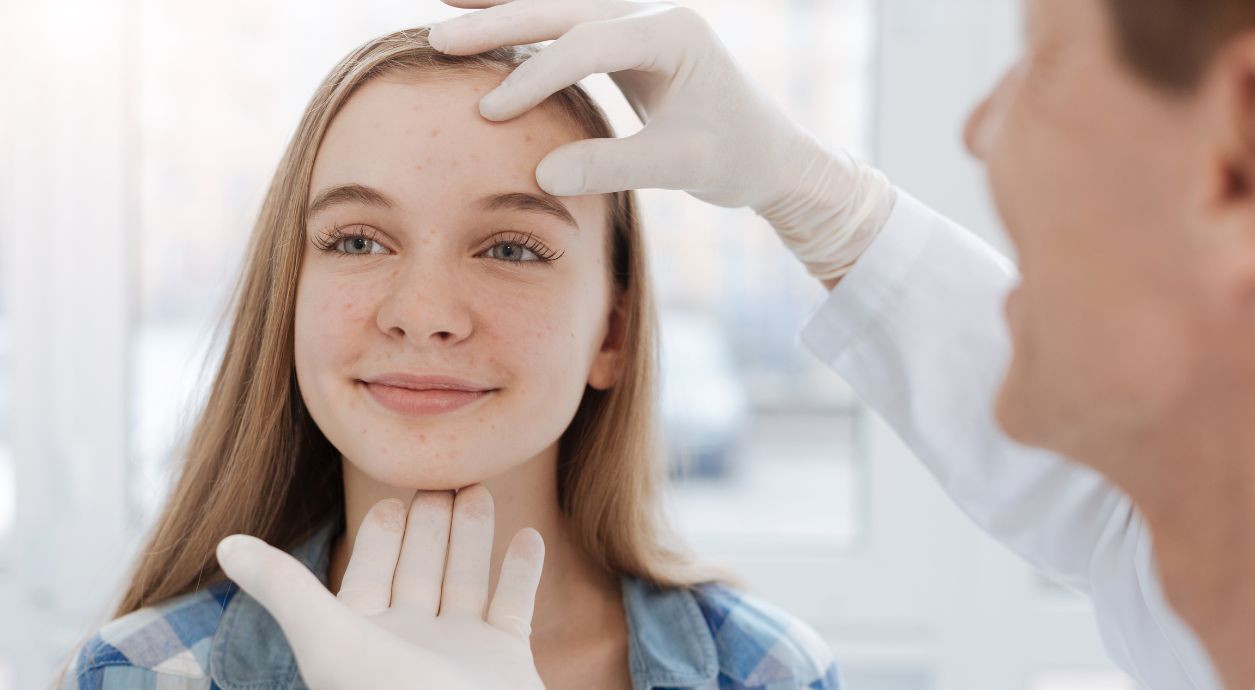
Peeling may occur on individual areas of the face or affect several areas at once. Its location can sometimes help identify a possible cause. For example, changes around the nose and eyebrows are characteristic of seborrheic dermatitis, while eyelid irritation is more often associated with a contact reaction to cosmetics or other products. However, a diagnosis cannot be established based solely on the location of the flakes.
Peeling Skin Around the Nose
The skin around the nose, especially in the folds between the sides of the nose and the cheeks, may peel due to local irritation or inflammatory conditions. This problem often occurs during a runny nose, when frequent use of tissues damages the superficial layer of the skin. In such cases, dryness, redness, and sometimes small cracks and a burning sensation may develop.
If flakes form mainly in the nasolabial folds, have a white or yellowish appearance, and the skin underneath becomes red, one possible cause is seborrheic dermatitis. This is a chronic inflammatory disease that often affects areas with active sebaceous glands. Its symptoms may periodically become more pronounced and then subside.
Attention should also be paid to rashes around the nose and mouth. Small red papules, burning, and dryness may be manifestations of perioral dermatitis, which sometimes spreads to areas around the nose. In such situations, ordinary moisturizing creams do not always resolve the problem, and the independent use of hormonal ointments may worsen the course of the disease.
Peeling Skin on the Eyelids and Under the Eyes
The skin of the eyelids is significantly thinner than the skin on most other areas of the face, making it particularly sensitive to external irritants. Even minor contact with irritating substances can lead to dryness, itching, redness, and the appearance of small flakes.
These changes are most commonly associated with contact dermatitis. It may be triggered by:
- decorative cosmetics, makeup removers, and eye creams;
- ingredients in sunscreen products;
- adhesives for false eyelashes and products used for eyelash extensions;
- nail polish, gel polish, or other substances transferred to the eyelids when touching them with the hands;
- eye drops and contact lens care products.
According to a study published in 2024 in the journal Cutis and indexed in PubMed, the most common cause of eyelid dermatitis is allergic contact dermatitis. Researchers identify metals, fragrances, preservatives, acrylates, and ingredients in topical medications among the most frequent allergens.
Peeling along the eyelash line requires particular attention. If crusts form along the edges of the eyelids, the eyelashes stick together, and the eyes itch or feel gritty, this may indicate blepharitis — inflammation of the eyelid margins. This condition requires an examination by an ophthalmologist.
Peeling Skin on the Eyebrows
The appearance of flakes between or beneath the eyebrow hairs is often associated with seborrheic dermatitis. This condition is characterized by the formation of white or yellowish scales accompanied by redness. Similar changes are often observed simultaneously on the scalp, around the sides of the nose, and behind the ears.
According to the American Academy of Dermatology, the eyebrows and the area between them are typical sites affected by seborrheic dermatitis. The severity of symptoms may vary, with periods of improvement alternating with flare-ups.
Another possible cause is psoriasis. In such cases, well-defined inflamed patches with thicker scales may develop. Similar rashes are often present on other parts of the body, particularly the scalp, elbows, or knees.
Sometimes irritation in the eyebrow area occurs after tinting, lamination, or the use of cosmetic products to hold the eyebrow hairs in place. If the changes appear shortly after a procedure, it is advisable to stop using the suspected product and monitor the condition of the skin.
Doctors at «Oxford Medical» recommend paying attention not only to the location of peeling but also to the appearance of the scales, the presence of itching, redness, and accompanying rashes. These characteristics help distinguish ordinary irritation from a dermatological disease and determine whether specific treatment is necessary.
Redness and Peeling of Facial Skin
Redness accompanied by peeling usually indicates skin irritation or inflammation. These changes may be accompanied by itching, burning, a feeling of tightness, and increased sensitivity to cosmetic products. Sometimes they occur after contact with irritants and disappear quickly, but in other cases, they persist for a long time or recur periodically.
The characteristics of the redness and accompanying symptoms help identify a possible cause:
| Symptoms | Possible Causes |
|---|---|
| Redness, dryness, and burning after using cosmetics | Irritant contact dermatitis |
| Red patches, severe itching, sometimes swelling or small blisters | Allergic contact dermatitis |
| Dry, inflamed areas, severe itching, periodic flare-ups | Atopic dermatitis |
| Redness of the cheeks and nose, a sensation of heat, increased sensitivity, sometimes rashes | Rosacea |
| Well-defined red plaques with thick scales | Psoriasis |
Changes that occur after contact with new cosmetic products require particular attention. If redness is accompanied by itching, rashes, or swelling, a possible cause is an allergic reaction. Symptoms may not appear immediately but can develop several hours or even days after contact with the allergen.
It is also important to consider whether the condition of the skin changes under the influence of temperature, sunlight, or physical activity. For example, with rosacea, redness often becomes more pronounced after sun exposure, drinking hot beverages, or sudden temperature changes. In such cases, peeling may accompany increased skin sensitivity but is not a primary symptom of the disease.
If painful cracks, oozing, yellowish crusts, or purulent discharge appear on the face, this may indicate a secondary infection. Such symptoms require a medical examination, as moisturizing alone may not be sufficient.
What to Do When the Skin on Your Face Peels
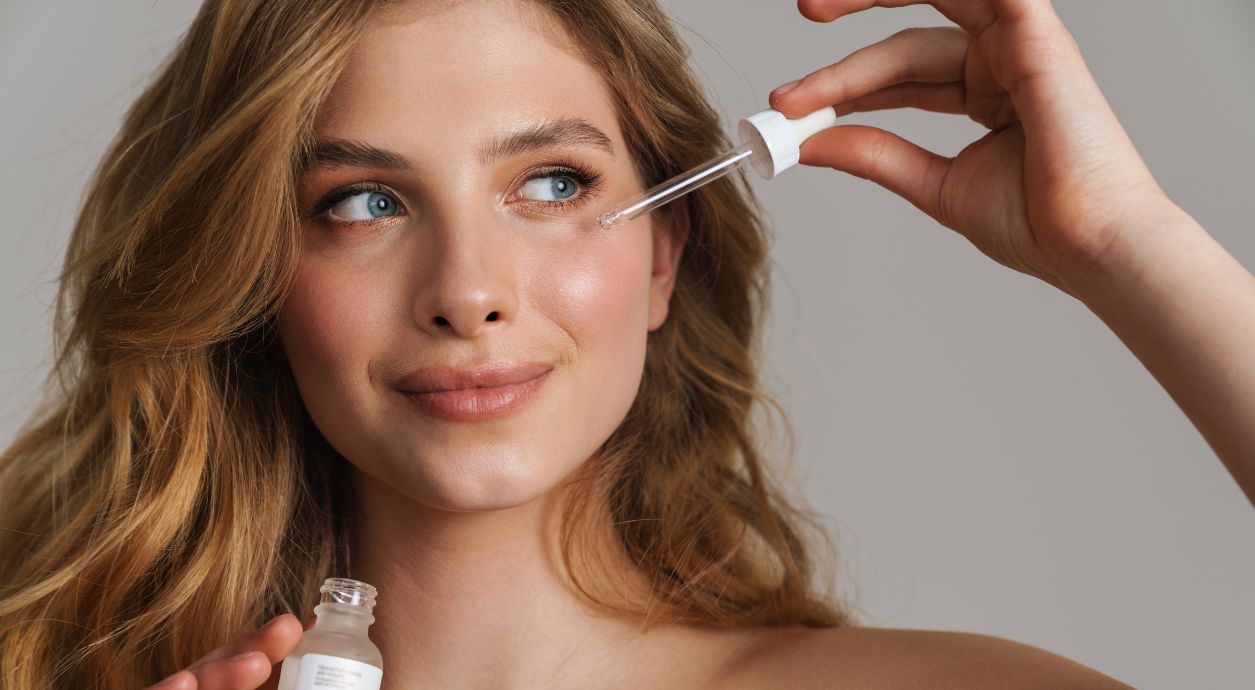
If dry patches and flakes appear on the face, the first step is to reduce irritation and provide proper skin care. In cases of mild dryness, this may be sufficient for the skin to gradually return to its normal condition. However, if peeling is associated with an inflammatory disease, medications may be required, selected according to the established diagnosis.
How to Get Rid of Peeling Skin on the Face at Home
If the facial skin is dry and peeling but there is no pronounced inflammation, pain, or other concerning symptoms, you can start by adjusting your daily skin care routine. The main goal is to reduce moisture loss and create conditions for restoring the skin's protective barrier.
For this purpose, the following measures are recommended:
- Cleanse the face gently. Use warm rather than hot water and mild facial cleansers without harsh surfactants or fragrances. After washing, gently pat the face dry with a towel without rubbing it.
- Moisturize the skin regularly. Apply moisturizer immediately after washing, while the skin is still slightly damp. Choose products containing glycerin, ceramides, hyaluronic acid, or other ingredients that help retain moisture.
- Temporarily stop using active cosmetic products. During the recovery period, avoid scrubs, chemical peels, retinoids, and products containing high concentrations of acids. They may increase irritation.
- Protect the face from the sun. Use a broad-spectrum sunscreen with SPF 30 or higher every day. For sensitive skin, choose formulas that do not cause a burning sensation.
- Maintain comfortable indoor humidity. In rooms with heating or air conditioning, use a humidifier if necessary, cleaning it regularly according to the manufacturer's instructions.
According to recommendations from the American Academy of Dermatology, creams or ointments are preferable to lightweight lotions for caring for dry skin. They retain moisture more effectively and help reduce dryness.
Doctors at «Oxford Medical» emphasize: it is important not to try to peel off skin flakes, even if they are clearly visible. Picking at dry areas, vigorous rubbing, or using stiff brushes can damage the skin, cause cracks, and increase inflammation.
It is also not recommended to apply alcohol-based products, lemon juice, baking soda, or other homemade mixtures to the face. They may cause irritation or chemical burns. Hormonal ointments, antifungal medications, and antibacterial products should also not be used without an established diagnosis.
When to See a Dermatologist
If peeling does not decrease after adjustments to skin care, recurs regularly, or is accompanied by other symptoms, it is necessary to consult a doctor.
A dermatologist consultation is particularly important if:
- dryness and flakes persist or worsen despite regular skin care;
- severe itching, burning, or pain occurs;
- cracks, oozing areas, or crusts develop on the skin;
- rashes, blisters, or pronounced swelling appear;
- the affected areas gradually increase in size;
- peeling spreads to the eyelids and is accompanied by inflammation around the eyes;
- the problem regularly returns after temporary improvement.
During the consultation, the dermatologist examines the skin, determines when the peeling first appeared, what products are used for skin care, and what might have triggered the problem. If necessary, the doctor orders additional tests. For example, allergy tests help identify contact allergies, while examination of a skin scraping helps check for the presence of a fungal infection.
In some cases, dermoscopy is performed to clarify the diagnosis — an examination of the skin using a special magnifying device. This examination allows the doctor to assess changes on the skin's surface in greater detail and, when necessary, distinguish one disease from another.
Further treatment depends on the cause of the peeling. For example, in contact dermatitis, it is important to eliminate exposure to the irritant or allergen, while in seborrheic dermatitis, antifungal medications may be prescribed. To reduce inflammation, the doctor may also recommend special medicated creams or ointments. The products and duration of their use are selected individually.
What to Do to Prevent Peeling Skin on the Face
To prevent peeling, it is important to maintain the skin's natural protective barrier and avoid factors that cause dryness and irritation. The foundation of prevention is regular moisturizing, gentle cleansing, and protection from external influences. At the same time, skin care should be appropriate for the skin type, its sensitivity, and the season.
For prevention, the following measures are recommended:
- Choose cosmetics according to your skin type. Even oily and combination skin requires moisturizing. It is better to choose products without strong fragrances or ingredients that cause irritation.
- Avoid excessive exfoliation. The frequency of using acids, scrubs, and other exfoliating products should be appropriate for the condition of the skin. Excessive cleansing can disrupt its protective barrier.
- Adjust skin care according to the season. In winter, use richer moisturizing creams if necessary, and in summer, pay particular attention to protection from ultraviolet radiation.
- Introduce new cosmetic products carefully. It is not advisable to start using several new products at the same time. This will make it easier to identify a product that causes an adverse reaction.
- Avoid prolonged contact with irritants. After swimming in a pool, rinse off chlorinated water, and when using household chemicals, try not to touch your face with your hands.
- Follow your doctor's recommendations for chronic skin conditions. If peeling is associated with dermatitis, psoriasis, or another condition, proper skin care helps maintain the skin's condition but does not replace prescribed treatment.
It is also important to consider the skin's individual response to cosmetic procedures. Temporary peeling may occur after chemical peels, laser procedures, or the use of retinoids. In such cases, it is important to follow the specialist's recommendations and avoid trying to accelerate skin renewal on your own.
Regular and properly selected skin care helps reduce dryness, irritation, and the risk of recurrent peeling. If the problem occurs frequently or does not disappear despite following the recommendations, it is advisable to consult a dermatologist to determine the cause and select appropriate treatment.
The information provided in this article is for informational purposes only and is not intended as a guide to self-diagnosis or self-treatment. If symptoms of a disease appear, you should consult a doctor.
Sources:
American Academy of Dermatology