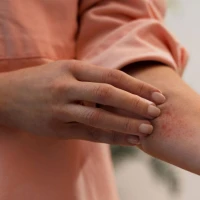
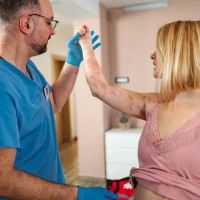
The main goal of therapy is to reduce inflammation, itching, and flaking, as well as to prevent frequent exacerbations. The regimen is selected depending on the localization and severity of the symptoms. As noted by the American Academy of Dermatology, since the disease has a chronic course, maintenance care may be needed after improvement.
Treatment of seborrhea may include:
- antifungal shampoos, creams, or other topical products;
- medications to reduce inflammation and itching;
- products that soften and help remove dense scales;
- therapeutic care taking into account the type and condition of the skin.
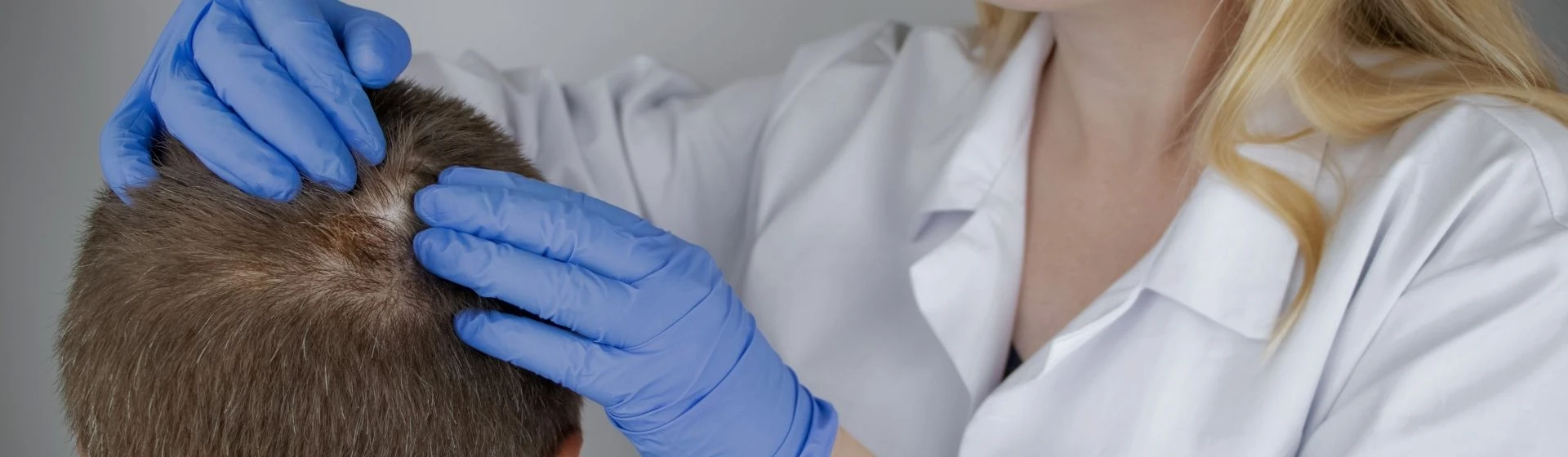
If seborrhea of the head has developed, the dermatologist may recommend a special shampoo and determine how often and for how long to use it. When the face or body is affected, products in the form of a cream, gel, or lotion are used. Anti-inflammatory medications are usually prescribed for a short course.
If indicated, medication therapy may be supplemented with procedures aimed at improving the condition of the skin and reducing the severity of its manifestations. Depending on the localization of the changes, the doctor may recommend cryomassage — exposure of the skin to low temperature, or plasma lifting — the injection of the patient’s blood plasma enriched with platelets. The procedures are selected individually after an examination.
Doctors at «Oxford Medical» recommend not selecting medications independently, especially for the skin of the face. An incorrectly selected product may intensify irritation or temporarily conceal the symptoms without ensuring proper control of the disease.