Sign up via call center
Department
Treatment of photodermatosis at the Oxford Medical Kiev private clinic

Treatment of photodermatitis

Cost of services
Consultations
Consultation with a leading dermatovenereologist
1989.00 ₴
Sign up by the call center
Consultation with a dermatologist
1100.00 ₴
Order
Online consultation with a dermatovenereologist
1100.00 ₴
Sign up by the call center
Services
Radiofrequency ablation of 1 skin neoplasm of the trunk larger than 10 mm
1789.00 ₴
Sign up by the call center
Skin punch biopsy up to 8 mm
3889.00 ₴
Sign up by the call center
Plasma therapy (PRP) for hair
3489.00 ₴
Sign up by the call center
Radiofrequency ablation of 1 nevus
1489.00 ₴
Sign up by the call center
Radiofrequency ablation of 1 skin neoplasm in the ciliary margin of the eyelid larger than 10 mm
1789.00 ₴
Sign up by the call center

Redness, itching, and rashes after exposure to the sun may be not an ordinary burn, but a manifestation of sun allergy. The reaction sometimes occurs within a few minutes, and in other cases — after several hours or days. If the symptoms are pronounced or recur, it is important to determine their cause.

At the “Oxford Medical” medical center, you can receive a consultation with an experienced dermatologist, who will conduct an examination, help determine the cause of the skin reaction, and select treatment. To schedule a consultation with a dermatologist, please use the online booking form on the website or call the number provided.

What Is Photodermatosis

Photodermatosis — is a general name for conditions in which the skin has increased sensitivity to solar radiation. The reaction may occur even after a short stay outdoors. Unlike an ordinary sunburn, such changes are associated with the individual photosensitivity of the skin, and not only with the intensity of ultraviolet radiation.

Increased sensitivity to ultraviolet radiation may appear at any age, even if previously staying in the sun did not cause problems. In some people, the reaction occurs once, while in others — it regularly recurs.

Types of Photodermatosis

Photodermatoses are divided into several types depending on the mechanism of development and the characteristics of the reaction to sunlight. The following forms are most common:

  • polymorphic light eruption — a seasonal reaction that predominantly occurs in spring or at the beginning of summer, when after the winter period the skin is again actively exposed to ultraviolet radiation;

  • solar urticaria — a rare form that develops within several minutes after sunlight reaches the skin;

  • phototoxic dermatitis — an acute reaction that appears when ultraviolet radiation interacts with substances that increase the skin’s sensitivity to the sun;

  • photoallergic dermatitis — a delayed immune reaction that usually occurs a certain time after exposure to the sun.

There are also rare chronic photodermatoses, including actinic prurigo and chronic actinic dermatitis. They have a prolonged course and may worsen even after minor exposure to ultraviolet radiation. Determining the specific type of disease helps the doctor correctly select further management.

Causes of Photodermatosis

According to DermNet, increased sensitivity to light may be an independent characteristic of the skin, arise under the influence of certain substances, or accompany other diseases. In this case, solar radiation becomes a triggering factor: after exposure to ultraviolet radiation, a reaction is initiated, which leads to the appearance of changes on the skin.

The most common causes of photodermatosis are:

  • an individual reaction of the immune system to ultraviolet radiation — characteristic of polymorphic light eruption and some other primary photodermatoses;

  • taking medications that increase photosensitivity, including certain antibiotics, diuretics, anti-inflammatory drugs, antiarrhythmic agents, and retinoids;

  • applying cosmetic or medicinal products to the skin, the components of which may react under the influence of sunlight;

  • contact with the juice of certain plants, citrus fruits, or essential oils before exposure to the sun;

  • autoimmune and dermatological diseases, the course of which may worsen under the influence of ultraviolet radiation, including systemic lupus erythematosus and dermatomyositis;

  • metabolic disorders, such as porphyrias, as well as rare hereditary diseases associated with high photosensitivity.

Sometimes an allergy to sunlight appears after starting a new medication or using a cosmetic product that the person has not used before. At the same time, prescribed medications should not be discontinued independently. It is necessary to inform the doctor when the reaction occurred and which medications or products were used the day before: this will help determine the possible cause more accurately.

Symptoms and Signs of Sun Allergy

The manifestations of photodermatosis depend on its type and the individual sensitivity
of the skin. The reaction usually occurs on exposed areas of the body: the face, neck,
décolleté area, forearms, hands, and lower legs. The skin under clothing predominantly
remains unchanged; however, in photoallergic dermatitis, the rashes may spread beyond
the areas exposed to the sun.

The main symptoms of sun allergy:

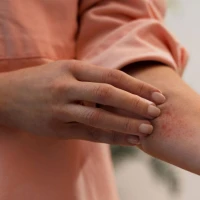
redness, swelling, and tenderness of the skin;

itching, burning, or a tingling sensation;

small spots, nodules, blisters, or rashes resembling urticaria;

dryness and peeling of the affected areas.

List of diseases

With solar urticaria, changes may appear within several minutes after going out into the sun and gradually disappear after moving indoors. With other forms of photodermatosis, the reaction develops after several hours or even the next day and may persist longer.

Doctors at “Oxford Medical” recommend paying attention not only to the appearance of the rashes, but also to the time of their onset and their connection with exposure to the sun. If the reaction is accompanied by pronounced swelling, difficulty breathing, weakness, or dizziness, emergency medical assistance is necessary.

Diagnosis of Solar Dermatitis

Photodermatosis is diagnosed by a dermatologist. During the consultation, the doctor examines the affected areas and, if necessary, performs dermatoscopy. The doctor also clarifies when the changes appeared and how much time passed after exposure to the sun. It is also important to mention all medications you are taking, as well as cosmetic and medicinal products applied to the skin the day before.

During the examination, the doctor pays attention to:

  • the appearance and location of the rashes;

  • the presence of a clear boundary between exposed areas and areas covered by clothing;

  • the duration of the reaction and the frequency of its recurrence;

  • the connection of symptoms with medications, cosmetics, or contact with plants.

In many cases, an examination and detailed information about the onset of symptoms are sufficient for a preliminary diagnosis. Laboratory tests may additionally be prescribed. For example, if an autoimmune process is suspected, the doctor may recommend testing for antinuclear and other specific antibodies. To rule out porphyria, blood, urine, and stool tests are performed for porphyrins and the substances from which they are formed. The specific list of tests is determined taking into account the symptoms and the presumed cause of photosensitivity.

Doctors at “Oxford Medical” recommend recalling before the consultation which medications and products you used before the rashes appeared. If the reaction has already passed, it is advisable to show the doctor photographs of it — they will help assess the nature and location of the skin changes.

Treatment of Solar Dermatitis

In photodermatitis, treatment is selected taking into account the severity of the symptoms and the cause of the skin’s increased sensitivity to the sun. During an exacerbation, it is important to limit exposure to sunlight and not use products after which the rashes may have appeared.

Treatment of sun allergy may include:

  • topical corticosteroid products to reduce redness, swelling, and inflammation;

  • antihistamines for pronounced itching or solar urticaria;

  • moisturizing and restorative products that help eliminate dryness and peeling of the skin;

  • systemic medications in severe or prolonged cases — they are prescribed by the doctor after an examination.

If solar dermatitis is associated with cosmetics, perfumery products, or a topical medicinal product, it is necessary to stop applying it. In the case of a reaction to medications, the dermatologist may recommend a consultation with the doctor who prescribed them in order to adjust the dosage or select a replacement. Medications must not be discontinued independently.

When increased photosensitivity occurs against the background of an autoimmune, metabolic, or other disease, treatment is also directed at the underlying cause. In cases of frequent seasonal exacerbations, the dermatologist may recommend a course of controlled phototherapy, which gradually increases the skin’s resistance to ultraviolet radiation. Such treatment is carried out according to an individual regimen under medical supervision. British Association of Dermatologists notes that this method may be used for pronounced polymorphic light eruption.

Doctors at “Oxford Medical” emphasize: hormonal ointments should not be applied to the rashes independently, and antiallergic medications should not be taken without medical advice. Products that help with one form of photodermatosis may be insufficient or inappropriate for another. In any form of photodermatosis, treatment must be prescribed by a dermatologist.

Prevention of Photodermatosis

Regular protection of the skin from ultraviolet radiation helps reduce the risk of a repeated reaction. It is necessary to be especially careful in spring and at the beginning of summer, as well as while resting near water or in the mountains, where the intensity of solar radiation is higher.

Main recommendations:

  • use a broad-spectrum sunscreen with SPF 50 and apply it to exposed areas of the skin 15–30 minutes before going outside;

  • reapply sunscreen every two hours, as well as after swimming, intense sweating, or drying with a towel;

  • during periods of active sun, wear light clothing that covers the skin, a hat, and sunglasses, and, whenever possible, remain in the shade from 10:00 to 16:00;

  • before using new cosmetics or starting to take medications, check whether they can increase photosensitivity.

If photodermatosis recurs every year, doctors at “Oxford Medical” recommend consulting a dermatologist in advance. The doctor will help identify possible provoking factors and develop an individual plan for preventing exacerbations.

What Is the Cost of Photodermatosis Treatment in Kyiv at the Private Clinic “Oxford Medical”

The cost of photodermatosis treatment depends on the severity of the symptoms, the need for additional examinations, and the prescribed therapy. After the examination, the dermatologist determines the possible cause of the skin’s increased sensitivity to the sun and develops an individual treatment regimen.

You can review the price of a dermatologist consultation here in advance. Make an appointment with a doctor at a time convenient for you through the online appointment form on the website or by calling the contact center.

The information is for informational purposes and does not replace a doctor’s consultation.

Sources:

Frequently asked questions

Why Is Sun Allergy Dangerous?

In most cases, sun allergy does not pose a threat to health, but it can cause severe itching, inflammation, and skin damage due to scratching. A reaction with significant swelling, difficulty breathing, weakness, or dizziness is dangerous — with such symptoms, emergency medical assistance is necessary.

How Long Does Sun Allergy Take to Go Away?

Sun allergy may go away within several hours or persist for several days or weeks — this depends on the type of photodermatosis. Solar urticaria usually goes away within several minutes or hours after sun exposure stops. Polymorphic light eruption predominantly disappears in approximately one week if the skin is protected from ultraviolet radiation.

How to Relieve Itching from Sun Allergy?

To reduce itching, it is necessary to stop exposure to the sun, apply a cool compress to the skin, and apply a fragrance-free moisturizer. The rashes must not be scratched. In case of severe itching, the doctor may prescribe an antihistamine or a topical corticosteroid.

Is It Possible to Sunbathe with a Sun Allergy?

No, it is not possible to sunbathe with a sun allergy. Ultraviolet radiation can worsen the rashes, itching, and inflammation and slow down skin recovery. While outdoors, the affected areas should be covered with clothing, a broad-spectrum sunscreen with SPF 50 should be used, and you should remain in the shade.

Can a Sun Allergy Appear If It Has Never Occurred Before?

Yes, a sun allergy can appear for the first time at any age. The reaction may be triggered by intense ultraviolet radiation, certain medications, new cosmetics, perfumery products, or contact with plants. Sometimes photosensitivity occurs against the background of autoimmune or metabolic diseases, so recurrent rashes require an examination by a dermatologist.

( Rating: 4.6 , Votes: 43 )

Advantages of Oxford Medical Dermatology in Kyiv

Comprehensive treatment approach. We treat not only symptoms but also eliminate the root cause of the disease.
 

Modern equipment. We use advanced technologies for accurate diagnosis and effective treatment.

 

Individual therapy programs. Treatment plans are developed considering the specifics of the disease course.
 

Experienced dermatologists. Consultations are provided by specialists with extensive clinical experience and high qualifications.
 

Our doctors

Perepelova Valentina Vasylivna
4.92
rating (13)
18+
Years of experience
Dermatovenereologist of the highest category
18+ Years of experience
Consultation 1100
Kyiv, Mykhayla Hryshka St., 1
Make an appointment
Shvedova Svitlana Olegivna
4.81
rating (21)
20+
Years of experience
Online consultation
Dermatologist-venereologist of the highest qualification category
20+ Years of experience
Consultation 1100
Make an appointment
Karataeva Liliya Nikolaevna – dermatovenereologist, pediatric dermatovenereologist of the II category of the private clinic Oxford Medical Kyiv
4.86
rating (7)
14+
Years of experience
Dermatovenereologist, pediatric dermatovenereologist
14+ Years of experience
Consultation 1100
Make an appointment
Abrahamian Hayk Oganesovich
4.95
rating (56)
20+
Years of experience
Online consultation
Dermatovenereologist of the highest category
20+ Years of experience
Consultation 1100
Kyiv, Vasyl Lypkivskoho St., 38
Make an appointment
All doctors
Reviews
Дар'я 01.08.2026
Дякую за працю, задоволена результатом!! Лікар дуже гарний:)
Star Star Star Star Star
Павло 12.07.2026
Був на повторному прийомі після результатів здачі аналізів. Діагноз , який попередньо після огляду мене лікарем був поставлений - підтвердився. Призначене лікування, яке після зовнішнього першого огляду лікарем було призначене - значно полегшило симптоми проходження хвороби. При повторному зверненні лікар чітко все розповів , як діяти далі і порадив звернутися до інфекціоніста. Дуже завдячую лікарю Салашаку Євгену Олександровичу за кваліфікований підхід та консультацію. Буду підтримувати онлайн зв'язки в подальших консультаціях по лікуванню виключно з ним , без звернення до інших лікарів. Дякую всьому персоналу клініки за приємне та ввічливе спілкування ,а також за увагу до пацієнтів , що звернулися за допомогою.
Star Star Star Star Star
Current information
Sign up
in the clinic
online
This site is protected by reCAPTCHA technology, and the Google Privacy Policy and Terms of Service apply.
Hello!
Let's take care
about your health:
Sign up via call center

We use cookies and other technologies to remember your preferences and find out exactly how you use and interact with the site.

By using our site, you also agree to the terms of the "User Agreement" and "Regulation on the processing and protection of personal data". By clicking "I AGREE", you consent to the processing of your data.