Contents:
- What Is a Wart and How to Remove It
- What Is a Wart
- What Warts Look Like
- Why Warts Appear
- Can a Wart Go Away on Its Own
- How to Get Rid of a Wart
- Prevention of Warts
Warts are among the most common skin growths that can appear on various parts of the body: on the hands, feet, fingers, face. Some growths cause almost no discomfort, while others hurt and itch and create aesthetic discomfort.
In this article, we will look at what warts are and why they occur. We will also explain whether they can go away on their own, what helps with warts, and how to remove a wart safely and effectively.
What Is a Wart
A wart is a growth of viral origin that forms as a result of excessive growth of the cells of the upper layer of the skin. Most often, it looks like a small dense nodule, a rough area, or a rounded growth that slightly rises above the surface of the skin.
It is important to understand that a wart is not just a cosmetic change. It has an infectious origin, so if it is injured, removed incorrectly, or constantly irritated, it can spread to other areas of the skin.
Structure of a Wart
A wart consists of epidermal cells — the surface layer of the skin. Under the influence of the virus, these cells begin to divide more actively, causing thickening to form in a specific area. Small vessels may pass through the tissues of the growth, providing nutrition to the altered area.
Several parts can be conditionally distinguished in the structure of a wart:
- the superficial thickened layer of the skin;
- the area of active cell division;
- small blood vessels inside the growth;
- the surrounding skin, which may become irritated due to friction or pressure.
All these elements form a dense area of altered skin. The depth and severity of such changes depend on the location of the wart, how long it has existed, and the degree of load on the affected area.
Core of a Wart
The term “core of a wart” is often used in everyday speech, especially when referring to plantar growths. In reality, a wart does not have a separate core that grows deep into the tissues.
The sensation of a core usually occurs because of dense keratinization of the skin and pressure on deeper tissues. This is especially noticeable on the foot, where the affected area is constantly subjected to load while walking. Because of this, the growth may not protrude above the surface of the skin but may seem to press inward, causing pain, discomfort, or the sensation of a foreign body.
What Warts Look Like
.jpg)
Warts can look different depending on their type, location, and duration of existence. Most often, they are small skin thickening areas with an uneven or rough surface. Their color may be almost the same as the surrounding skin or may be lighter, yellowish, grayish, or brown.
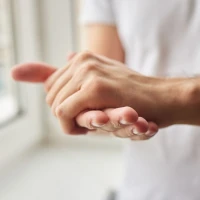
On the hands and fingers, such growths usually look like dense rounded bumps with a rough surface. They may be located near the nails, on the back of the hands, or in places that are often injured. Due to constant contact with water and household chemicals, the surface of the growth sometimes becomes drier and rougher.
On the feet, warts often resemble a corn or callus. Due to pressure while walking, they may barely protrude above the skin and may seem to press inward. Small dark dots are sometimes visible on the surface or within the thickness of the growth — these are clogged or thrombosed capillaries. This feature often helps distinguish a plantar wart from an ordinary corn, although only a doctor can determine the type of growth definitively after an examination.
Why Warts Appear
Oxford Medical specialists explain: warts occur when human papillomavirus enters the superficial layers of the skin and changes the process of epidermal cell division. Most often, this happens through minor skin damage: microcracks, scratches, abrasions, or irritated areas.
After infection, the growth may not appear immediately. Sometimes several weeks or months pass before a change becomes visible on the skin. The development of growths is influenced by the state of local immune defense, a moist environment, and regular skin trauma.
How Warts Are Transmitted
Warts are transmitted through contact. The virus can get onto the skin during direct contact with a growth or through objects and surfaces that the infected area has touched.
Infection is most often possible through:
- shared towels, shoes, or socks;
- manicure and pedicure tools without proper disinfection;
- floors in pools, saunas, showers, and locker rooms;
- sports equipment or surfaces that are frequently touched by hands.
To reduce the risk of infection, you should use only your own hygiene items and wear individual slippers in moist public areas. If there are scratches or cracks on the skin, they should be treated in time and protected from contamination.
How a Wart Appears
After the virus enters the skin, it may remain inactive for some time. A person often does not remember the moment of infection because a long period may pass between contact with the virus and the appearance of the first noticeable change.
At first, a small area of thickening forms on the skin. It may hardly differ in color, but gradually becomes more noticeable to the touch. At this stage, a wart can easily be confused with a corn, callus, irritation, or the result of a minor injury.
Oxford Medical doctors warn: if the change does not disappear, increases in size, hurts, or new similar elements appear nearby, you should not decide on your own what to do with warts. It is better to show the growth to a doctor to clarify the diagnosis and choose a safe treatment method.
Why Warts Grow
A wart may increase in size if the virus remains active in skin cells. Growth does not always indicate a dangerous process, but it shows that the formation continues to develop.
The increase in size of the growth is promoted by constant mechanical impact, a moist environment, and damage to its surface. For example, on the foot, growth may intensify due to shoe pressure, and on the fingers — due to frequent contact with water or injury to the cuticle.
Oxford Medical doctors explain: a separate cause of spreading is self-inoculation. If a person scratches, cuts, or picks at a wart, the virus can be transferred to neighboring areas of the skin. Therefore, the growth should not be mechanically damaged, even if it seems small.
Why a Wart Hurts
Pain usually occurs when the growth is located in an area of pressure or load. Most often, this applies to plantar growths: while walking, they are compressed between the skin and deeper tissues, so they can cause a pricking sensation, the feeling of a foreign body, or sharp discomfort when stepping on the foot.
The growth can also hurt after injury, friction from clothing or footwear, unsuccessful attempts at self-removal, or irritation from aggressive products. If the pain is accompanied by redness, swelling, bleeding, or discharge, this may indicate inflammation.
Oxford Medical doctors note: sharp pain, rapid enlargement, color change, or regular bleeding is a reason to see a doctor. In such cases, it is important not only to relieve discomfort but also to make sure that it is truly a wart and not another skin growth.
Why a Wart Itches
Itching is most often associated with irritation of the skin around the growth. It may be caused by dryness, sweating, friction, or an allergy to cosmetic products.
At the same time, mild itching does not always mean a complication, but the growth must not be scratched. This can damage the surface of the growth, increase irritation, and create conditions for the virus to spread to neighboring areas.
Can a Wart Go Away on Its Own
According to the American Academy of Dermatology, most warts are harmless and can disappear without treatment, but this may take from several months to several years. A wart can go away on its own if the immune system gradually suppresses the activity of the virus in the skin.
Watchful waiting is possible if the growth is small, does not hurt, does not bleed, does not interfere with daily life, and does not spread to other areas. But even in this case, it should be protected from injury, not scratched, and not treated with aggressive products.
How a Wart Falls Off
If a wart disappears naturally, this usually happens gradually. At first, it may become less dense, decrease in size, lose its pronounced roughness, or become less noticeable to the touch. In some cases, the growth seems to dry out and gradually exfoliates together with the superficial layers of the skin.
After professional treatment, the process may look different. For example, after cryodestruction or another procedure, the growth may darken, dry out, form a crust, and then gradually separate. Healing time depends on the treatment method, size of the growth, depth of involvement, and body area.
You should not try to speed up this process on your own: tear off the crust, cut off the remaining parts of the growth, or deeply steam the skin. If the growth begins to change after treatment, it is better to follow the doctor’s recommendations for care, treatment, and protection of the area from friction.
What Happens If You Tear Off a Wart
You must not tear off a wart. Small vessels may pass through the inside of the growth, so injury can lead to bleeding, pain, irritation, and inflammation. An open wound also becomes an entry point for bacterial infection.
Oxford Medical doctors note: another risk is the spread of the virus to neighboring areas of the skin. If you tear off or pick at a wart, viral particles can get onto the fingers, under the nails, or onto the surrounding skin. Because of this, new growths may appear.
If the growth is accidentally injured, the area should be rinsed with clean water, treated with an antiseptic, covered with a clean dressing or plaster, and the wound should not be touched with hands. If the bleeding does not stop, swelling appears, pain increases, pus forms, or redness spreads around the area, you should see a doctor.
How to Get Rid of a Wart
.jpg)
You can get rid of a growth with local treatment or minimally invasive procedures. The method is chosen based on the size, location, number of growths, pain, and condition of the surrounding skin.
The following methods are used for treatment:
- cryodestruction;
- laser removal;
- radiofrequency method;
- electrocoagulation;
- local preparations with keratolytic action.
Professional wart removal is especially important if the growth hurts, is located on the foot, near the nail, on the face, or is constantly injured. In such cases, the doctor not only removes the altered tissues but also explains how to care for the skin after the procedure to reduce the risk of the growth appearing again.
How to Get Rid of a Wart at Home
Many people look for ways to remove warts, but treatment at home is not always possible. It can be considered only when the growth is small, is not located on the face or mucous membranes, does not bleed, does not hurt, and has a typical appearance. Even in such a situation, it is advisable to first make sure that it is truly a wart and not another skin growth.
For home use, pharmacy products with salicylic acid or other substances that gradually soften and exfoliate the keratinized layer may be used. Such preparations should be applied only according to the instructions, avoiding contact with the surrounding healthy skin. Before use, it is important to protect the adjacent areas, for example with a rich cream or a special plaster.
During home treatment, you should monitor the skin reaction. If severe pain, burning, bleeding, swelling, oozing, or enlargement of the growth occurs, treatment should be stopped and a doctor should be consulted.
When Home Treatment Can Be Dangerous
Home treatment is dangerous if the diagnosis has not been confirmed. Corns, keratomas, papillomas, moles, and other skin growths can look similar to a wart. Some of them must not be cauterized or injured, so incorrect treatment can worsen the condition.
You should not treat the growth on your own if it:
- rapidly increases in size or changes shape;
- has uneven color or unclear borders;
- bleeds, oozes, or becomes covered with crusts without injury;
- is located on the face, eyelids, lips, genitals, or mucous membranes;
- appeared near the nail and affects the growth of the nail plate;
- hurts while walking or interferes with daily activities;
- appeared in a child, a pregnant woman, or a person with diabetes mellitus or immunodeficiency.
In these cases, you should not experiment with home remedies. It is better to contact a specialist right away to avoid burns, scarring, infection, and the spread of growths to other areas.
When to See a Doctor
You should see a doctor if the wart:
- hurts, itches, or burns;
- bleeds, oozes, or is often injured;
- rapidly increases in size;
- changes color, shape, or becomes asymmetrical;
- has unclear borders or an atypical appearance;
- is located on the foot and interferes with walking;
- appeared near the nail, on the face, or in an area of constant friction;
- spreads to neighboring areas;
- does not disappear after home care or treatment.
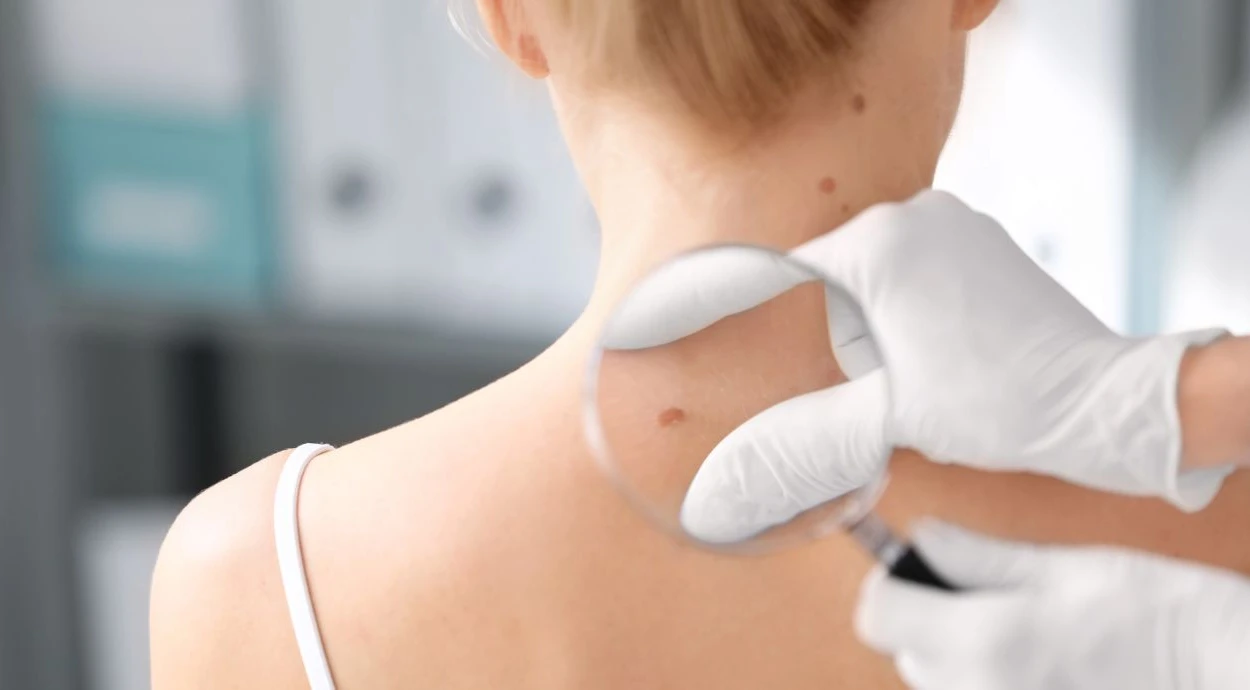
You must not cauterize or cut off such a growth on your own. First, a doctor should examine the skin, perform dermatoscopy if needed, and determine which treatment method will be most effective.
Which Doctor Treats Warts
.jpg)
Warts are treated by a dermatologist. This specialist diagnoses skin growths and selects a safe treatment method.
During the appointment, the doctor examines the growth, asks when it appeared, whether it has changed, whether there were attempts at self-treatment, and whether there are similar elements on other areas. If necessary, dermatoscopy is performed — an examination of the skin under magnification, which helps assess the structure of the growth more accurately and choose a removal method that will be not only effective but also safe for the skin.
Prevention of Warts
It is impossible to completely eliminate the risk of warts, but it can be significantly reduced. For prevention, you should:
- wear individual slippers in the pool, sauna, shower, and locker room;
- use only your own towel, shoes, nail file, scissors, and other hygiene items;
- treat scratches and cracks on the skin in time;
- keep the skin of the feet dry, especially with increased sweating;
- choose comfortable shoes that do not rub the feet;
- not use other people’s gloves, socks, or skin care products.
HPV vaccination is of particular importance. Vaccination does not protect against all types of the virus that can cause common warts on the hands or feet, but it helps reduce the risk of infection with oncogenic and some other types of HPV associated with lesions of the mucous membranes.
Warts are common benign growths of viral origin that can disappear on their own but sometimes require professional removal. If a growth hurts, grows, bleeds, interferes with daily life, is often injured, or has an atypical appearance, it is better to see a doctor and choose a safe treatment method. Attempts to cut, cauterize, or pick at the growth on your own can lead to inflammation, scarring, and the spread of the virus to other areas of the skin.
The information in this article is provided for informational purposes and is not an instruction for self-diagnosis or self-treatment. If symptoms of the disease appear, you should consult a doctor.
Sources:
US National Library of Medicine