Contents:
- What night sweats are (nocturnal hyperhidrosis)
- Why you break out in a sweat at night
- Heavy sweating during sleep: when it is dangerous
- What to do if you notice heavy sweating at night
Waking up in the middle of the night because of a wet pillow or damp clothes — a problem that many people face. Sometimes this is associated with overheating or stress and passes quickly. But if night sweating repeats regularly, interferes with sleep or occurs without an obvious reason, it is worth paying attention to the state of health.
In some cases, night sweats occur temporarily, for example after an illness or strong emotional tension. However, sometimes they may be associated with hormonal changes, infections, endocrine disorders or the side effect of medications.
In this article, we will consider why sweating occurs at night, in which cases it may be dangerous and what to do if night sweating repeats regularly.
What night sweats are (nocturnal hyperhidrosis)
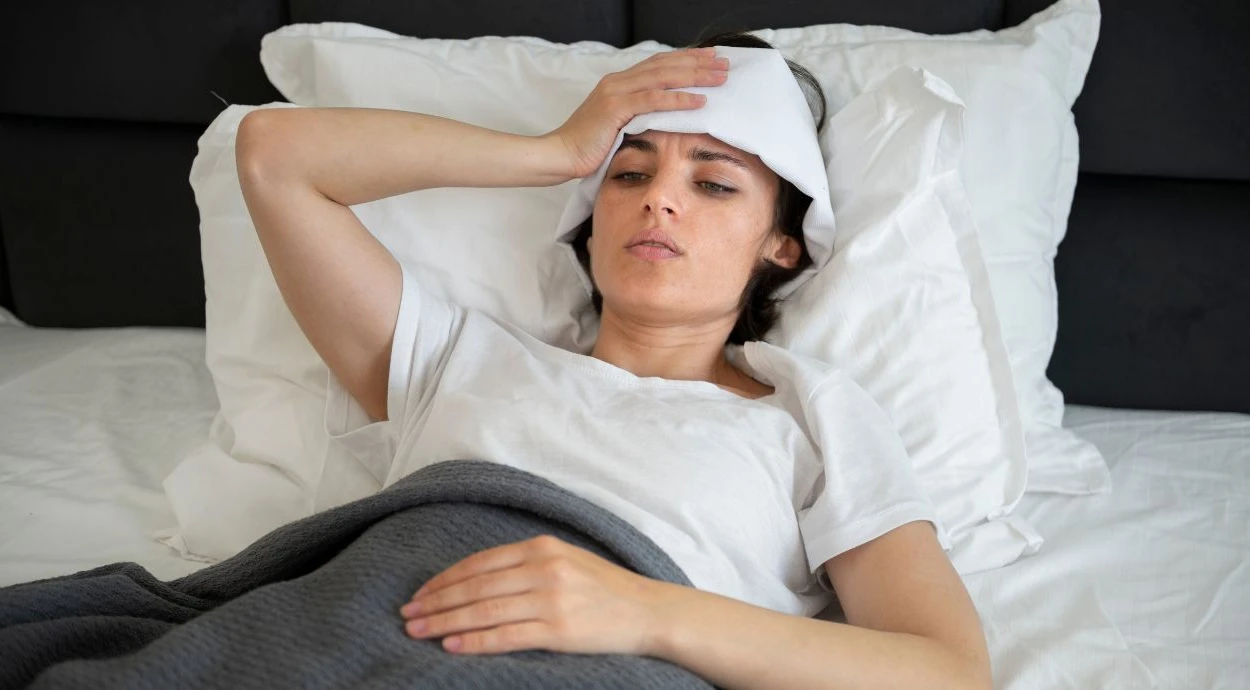
Nocturnal hyperhidrosis — is a condition in which a person sweats excessively during sleep even at a normal temperature in the room. In some cases, sweating is so pronounced that it is necessary to change clothes or bedding in the middle of the night.
The doctors of «Oxford Medical» note: it is important to distinguish true night sweats from ordinary overheating. If the problem disappears after airing the room, changing the blanket or putting on lighter clothes for sleep, most often it is not associated with a disease. If the episodes repeat regularly, this may indicate impaired thermoregulation, hormonal changes, infections or other conditions. In such cases, it is important to carry out not only treatment of hyperhidrosis, but also of its main cause.
Why you break out in a sweat at night
.jpg)
In most cases, night sweating is associated with the body's reaction to overheating, stress or temporary changes in the work of the nervous system. However, sometimes increased sweating at night may occur against the background of infections, hormonal disorders, endocrine diseases or the intake of some drugs.
It is also important to pay attention to accompanying manifestations. Body temperature, cough, weight changes, heartbeat, weakness, sleep disorders, menstrual cycle disorders or blood sugar level matter. It is the combination of symptoms that often helps to understand the possible cause of night sweats.
The most common causes of night sweating:
| Cause | What a person may feel |
| Overheating during sleep | Feeling of heat, damp clothes, discomfort in a warm room. |
| Stress or anxiety | Frequent awakenings, tension, heartbeat. |
| Infectious diseases | Temperature, weakness, chills, cough. |
| Hormonal changes | Hot flashes, menstrual cycle disorders in women, mood fluctuations. |
| Endocrine disorders | Trembling, weight changes, increased sensitivity to heat. |
| Side effect of medications | Increased sweating after the start of therapy. |
The specialists of «Oxford Medical» recommend paying attention to the duration of symptoms. If night sweats repeat several times a week or are accompanied by other complaints, it is advisable not to postpone a doctor's consultation.
Physiological causes: overheating, stress, nutrition
One of the most common causes of night sweating is overheating during sleep. A too warm blanket, a high temperature in the room, synthetic clothing or dense bed linen can provoke sweating during sleep even in a healthy person.
Increased sweating also often occurs after emotional overstrain. During stress, the sympathetic nervous system is activated, because of which the body may react with a faster heartbeat, anxiety and increased secretion of sweat even at night.
Nutrition also has an influence. Hot spices, alcohol, a large amount of caffeine, hot drinks or a heavy dinner before sleep can temporarily intensify the work of the sweat glands. In some people, night sweating appears after intensive workouts in the evening.
To reduce physiological night sweating, it is worth:
- maintaining the temperature in the room at approximately 17–19 °C;
- using a light blanket and natural fabrics;
- avoiding alcohol and spicy food before sleep;
- not overloading the body with late workouts;
- following a stable sleep schedule.
If after changing habits the symptom disappears, most often it is not associated with a disease. But if the episodes repeat regularly or become more intense, an additional examination is needed.
Possible diseases
Sometimes night sweating is associated not with sleep conditions, but with diseases that affect thermoregulation and metabolism. In such cases, sweating during sleep is often combined with other symptoms: temperature, weakness, cough, heartbeat, weight change or a prolonged feeling of fatigue.
One of the possible causes is infectious diseases. Night sweats may occur with influenza, pneumonia, viral infections, chronic inflammatory processes or tuberculosis. According to World Health Organization, prolonged night sweats together with cough, weakness and weight loss are among the possible symptoms of tuberculosis.
Another common cause — endocrine disorders. With hyperthyroidism, the thyroid gland produces an excess of hormones, because of which a person may feel heat, trembling of the hands, rapid heartbeat and excessive sweating at night.
Night sweating also sometimes accompanies:
- diabetes mellitus;
- anemia;
- autoimmune diseases;
- gastroesophageal reflux disease;
- some oncohematological diseases;
- sleep apnea syndrome.
Separately, it is worth taking into account the side effect of drugs. Increased sweating may be provoked by some antidepressants, hormonal agents, antipyretic drugs and medications for controlling glucose level.
The doctors of «Oxford Medical» recommend not ignoring night sweats if they last more than several weeks or are accompanied by temperature, cough, pain or sharp weight loss. In such cases, it is important not to mask the symptoms, but to find their cause.
Hormonal changes: night sweats during menopause
.jpg)
In women after 40–45 years, night sweating is often associated with perimenopause and menopause. During this period, the level of estrogens gradually changes, because of which the work of thermoregulation centers is disrupted. As a result of this, hot flashes, a sharp feeling of heat, heartbeat and night awakenings due to sweating may occur.
According to PubMed Central, vasomotor symptoms of menopause are one of the most common causes of night sweats in middle-aged women and can significantly affect sleep quality and general well-being.
Night sweating during menopause does not always manifest itself in the same way. In some people, episodes occur several times a month, and in others — every day. Mood swings, irritability, sleep disorders, dry skin, fatigue or an irregular menstrual cycle may additionally bother.
If the symptoms are pronounced and worsen quality of life, the doctor may recommend medication treatment of menopause. The tactics depend on the woman's age, general state of health, hormone level and the presence of concomitant diseases.
Night sweating in women
Night sweating in women may occur not only during menopause. In some cases, the symptom appears before menstruation because of fluctuations in hormone levels in the second phase of the cycle. Increased sweating is also sometimes observed during pregnancy or in the postpartum period, when the body gradually restores hormonal balance.
Sometimes night sweats in women are associated with anemia, deficiency states, thyroid gland diseases or may occur because of hormonal imbalance. In such cases, weakness, rapid fatigability, trembling of the hands, hair loss or changes in body weight may additionally appear.
The doctors of «Oxford Medical» recommend not ignoring regular night sweating, especially if it lasts several weeks or begins to affect sleep quality. In some cases, assessment of the hormonal background and consultation with an endocrinologist may be needed to clarify the cause.
Night sweats in men
Sweating at night in men often occurs after stress, overfatigue, alcohol consumption or sleep in an overly warm room. In such cases, the symptom is usually episodic and disappears after normalization of the sleep schedule and the temperature in the room.
However, regular night sweating may also be associated with medical causes. One of them is a disorder of thyroid gland function. With hyperthyroidism, a man may be bothered not only by night sweats, but also by rapid heartbeat, trembling of the hands, irritability, weight loss and a feeling of heat.
Sometimes night sweating occurs with a decrease in testosterone level. In this case, fatigue, decreased libido, sleepiness, mood swings and deterioration of sleep quality may appear.
Also, heavy sweating during sleep in men may accompany infectious diseases, in particular pneumonia or tuberculosis. Warning symptoms are a prolonged cough, temperature above 37.5 °C, weakness and unexplained weight loss.
Why a child sweats at night
.jpg)
In children, night sweats are often associated with the peculiarities of thermoregulation. A child may sweat because of wearing warm pajamas, a high temperature in the room, an overly dense blanket. In such cases, well-being is usually not disturbed, and the symptom disappears after changing the conditions for sleep.
Sometimes night sweats appear during or after viral infections. The body reacts in this way to an increase in temperature and the inflammatory process. Sweating may also intensify because of emotional overstrain, fears or overfatigue.
The doctors of «Oxford Medical» note: regular night sweats in a child should not be ignored, especially if they are accompanied by other symptoms. It is advisable to consult a pediatrician in case of temperature, prolonged cough, shortness of breath, poor appetite, lethargy, weight loss or enlarged lymph nodes.
In some cases, night sweats in children may be associated with disorders of the nervous or endocrine system, deficiency states or sleep disorders. That is why with frequent episodes it is important not only to change the conditions for sleep, but also to assess the child's general condition.
Cold sweat during sleep: possible causes
Cold sweat during sleep differs from ordinary overheating in that a person feels damp skin without a pronounced feeling of heat. Sometimes chills, weakness, heartbeat or sudden awakening in the middle of the night may appear at the same time.
One of the causes of cold sweat may be a sharp decrease in blood glucose level. Such a condition sometimes occurs in people with diabetes mellitus, especially when the diet regimen or selection of medications is disturbed. Cold sweat may also appear against the background of severe stress, anxiety disorders or panic attacks.
Sometimes night cold sweat accompanies infectious diseases, sharp fluctuations in blood pressure or disorders of the cardiovascular system. If the symptom is combined with chest pain, dizziness, shortness of breath or a feeling of lack of air, medical help is needed. According to information from Mayo Clinic, heavy sweating together with chest pain, nausea or breathing disorder may require urgent consultation with a doctor.
Heavy sweating during sleep: when it is dangerous
Single episodes of night sweats do not always indicate a disease. But if the symptom repeats regularly, wakes you up in the middle of the night or forces you to change clothes or bedding, this may be a signal of disorders in the work of the body.
It is worth consulting a doctor if:
- night sweats repeat several times a week;
- the symptom appeared suddenly without an obvious reason;
- sweating is accompanied by temperature or chills;
- weight loss or deterioration of appetite is observed;
- rapid heartbeat, trembling or pronounced weakness occur;
- night sweating disturbs sleep and affects well-being during the day.
According to NHS, regular increased sweating at night in combination with temperature, cough or weight loss requires medical assessment, as it may be associated with infectious or other diseases. Timely diagnosis helps to identify the cause of symptoms and choose the correct treatment.
What to do if you notice heavy sweating at night
.jpg)
If heavy sweating at night repeats regularly, you should not try to eliminate only the symptom itself. Constant sweating during sleep may be associated with infectious diseases, a disorder of thyroid gland function, fluctuations in hormone levels, stress or other conditions that require examination.
During the consultation, the doctor necessarily asks about accompanying symptoms: temperature, cough, rapid heartbeat, weight change, weakness, sleep or appetite disorders, in order to establish the probable cause. To clarify the diagnosis, the following may be prescribed:
- general and biochemical blood tests;
- checking glucose level;
- assessment of the hormonal background;
- tests for thyroid gland function;
- X-ray or other examinations according to indications.
Further treatment depends on the cause of the symptoms. For example, in infectious diseases the main attention is paid to eliminating the inflammatory process, and in endocrine disorders — to correction of hormonal balance.
If hyperhidrosis is confirmed after the examination, the doctor may recommend treatment of hyperhidrosis. The tactics are selected individually and may include local agents, medication therapy, injection methods or lifestyle correction.
In some cases, physiotherapy is additionally included in the complex treatment. For example, electrophoresis or water procedures are sometimes used, which affect the work of the nervous system and help reduce the intensity of sweating.
The doctors of «Oxford Medical» recommend seeking medical help if night sweating lasts more than several weeks, intensifies or is accompanied by temperature, cough, pain or a sharp deterioration in well-being.
Night sweats do not always indicate a serious disease, however regular episodes of heavy sweating during sleep should not be ignored. If the symptom repeats often, is accompanied by weakness, temperature, cough, weight change or other disorders of well-being, it is important to consult a doctor and undergo an examination. Timely diagnosis helps to establish the cause of night sweats and choose the necessary treatment.
The information in the article is provided for informational purposes and is not an instruction for self-diagnosis and treatment. If symptoms of a disease appear, you should consult a doctor.
Sources: