Sign up via call center
Department
Treatment of eczema at the Oxford Medical Kiev private clinic

Treatment of lichen planus

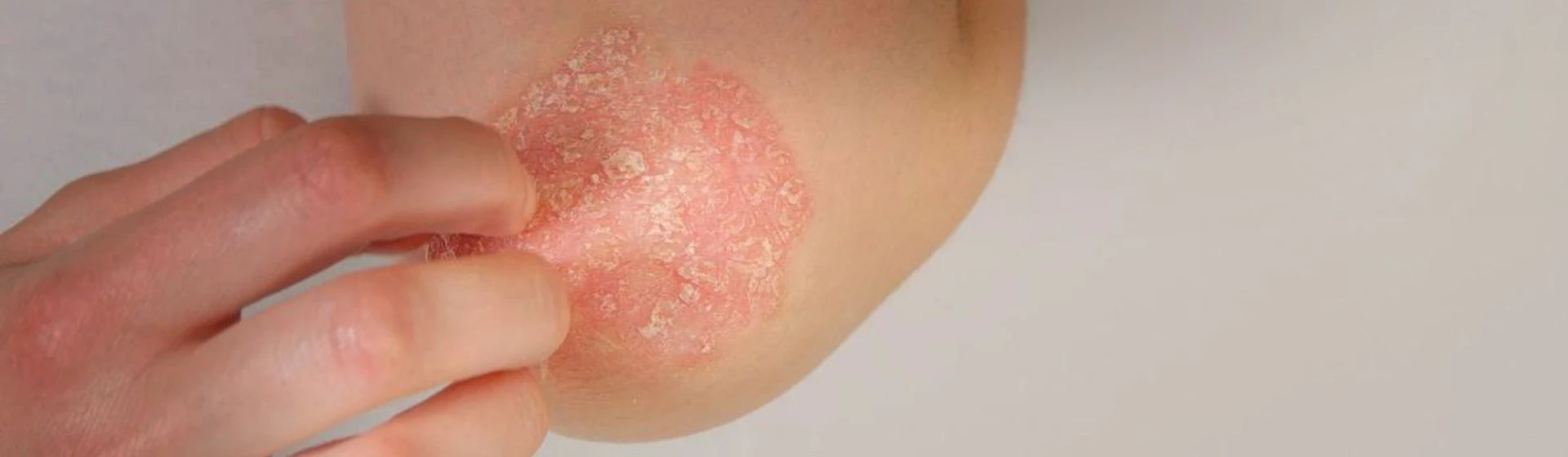
Tinea versicolor (pityriasis versicolor) — is a superficial fungal skin disease that occurs due to excessive proliferation of yeast-like fungi Malassezia. It manifests as light, pink, or brown spots with slight scaling, most often on the chest, back, shoulders, and neck. The spots may become more noticeable after tanning. Due to such characteristics, the disease is also often called tinea versicolor or sun fungus.

Similar manifestations may also occur in other dermatological diseases, therefore it is important not to self-medicate and to consult a specialist in time. At the medical center «Oxford Medical», the doctor will assess the condition of the skin, prescribe additional diagnostics if necessary, and select an individual treatment regimen. Schedule a consultation with a dermatologist at a convenient time for you by phone or through the online appointment form on the website.

Tinea versicolor: causes of appearance

The causative agent of the disease is yeast-like fungi of the genus Malassezia. They can be part of the normal skin microflora and not cause any symptoms. The problem arises when, under the influence of certain factors, the fungus begins to actively multiply and disrupts the process of pigment formation in the skin. As a result, characteristic spots of different colors appear.

The development of the disease may be promoted by:

  • decreased immune protection;
  • increased sweating, especially in the warm season;
  • hot and humid climate;
  • wearing tight synthetic clothing;
  • intense physical activity;
  • skin tendency to oiliness;
  • frequent use of greasy creams or body oils;
  • individual characteristics of the skin microflora;
  • endocrine disorders, in particular hormonal imbalance.

Doctors of «Oxford Medical» note: pityriasis often becomes more noticeable in summer. This is due to the fact that the affected areas of the skin tan unevenly, so the spots become more contrasting. It is precisely because of this that the disease is also often called «beach lichen».

Symptoms of tinea versicolor

The main symptom of the disease — the appearance of spots on the skin. They may
be light, pink, yellowish, or brownish.

Colored lichen has characteristic symptoms:

spots of different sizes and shapes with indistinct contours;

fine bran-like scaling on the surface of the skin;

gradual enlargement or merging of spots with each other;

mild itching or discomfort, especially after sweating.

List of diseases

Most often, rashes appear on the upper part of the torso. Typical areas of involvement — the back, chest, shoulders, and neck. Sometimes the spots may spread to the arms, less often — to the face or the hairy part of the head. If the rashes cover a significant part of the skin or almost the whole body, this may indicate a widespread form of the disease.

Colored lichen on the skin often has a tendency to recur. The spots may become less noticeable in the cold season and appear again during heat, with increased sweating, or after prolonged exposure to the sun.

Doctors of «Oxford Medical» recommend consulting a dermatologist if the spots increase, reappear after treatment, or occur during pregnancy. Tinea versicolor during pregnancy requires especially careful selection of medications and specialist supervision.

Diagnosis of pityriasis versicolor

In most cases, a dermatologist can suspect the disease already during the examination. The doctor assesses the color, shape, and localization of the spots, the presence of scaling, the duration of symptoms, and the factors that could have provoked the rashes. If necessary, additional examinations are prescribed to clarify the diagnosis.

To confirm the diagnosis, the following may be used:

  • examination under a Wood’s lamp — affected areas of the skin may give a characteristic yellowish or golden glow;
  • dermatoscopy — a method of detailed examination of the skin using a special optical device, which allows assessing the structure of the spots, the boundaries of the lesion, and the nature of scaling;
  • microscopic examination of skin scales — helps detect fungal elements;
  • iodine test — is used for better detection of pityriasis-like scaling.

It is important to distinguish a fungal lesion from other causes of changes in skin color. Similar spots may occur with post-inflammatory hypo- or hyperpigmentation, seborrheic dermatitis, pityriasis rosea, atopic dermatitis, and other dermatological diseases. The doctor may also perform differential diagnosis with vitiligo, since with this condition light areas of skin also appear, but the causes and approaches to treatment differ.

How pityriasis versicolor differs from other pigmentation disorders

Sign

Pityriasis versicolor

Other pigmentation disorders

Scaling

Fine pityriasis-like scaling is often present.

May be absent.

Color of spots

Light, pink, yellowish, or brownish.

Depends on the cause.

Typical localization

Chest, back, shoulders, neck.

May be different.

Connection with sweating

Often intensifies in heat and with sweating.

Is not always observed.

Treatment

Predominantly antifungal.

Depends on the established diagnosis.

Methods of treatment of sun lichen

In most cases, local antifungal agents are used: creams, gels, solutions, or medicated shampoos. With limited rashes, this is usually sufficient. If the lesion is widespread or the disease often recurs, the doctor may prescribe systemic therapy.

Treatment of tinea versicolor may include:

  • local antifungal therapy in the form of creams, gels, solutions, or medicated shampoos;
  • systemic treatment for widespread or recurrent forms of the disease;
  • agents for reducing scaling and skin irritation;
  • special skin care products that help maintain its normal condition and reduce the risk of repeated exacerbations.

According to US National Library of Medicine, local therapy is the main method of treatment of tinea versicolor, and systemic medications are used mainly for widespread or recurrent forms of the disease.

It is important to understand that after treatment of tinea versicolor, a person’s skin color may recover gradually. Scaling and itching usually disappear faster, while light or dark spots sometimes remain noticeable for several more weeks. This is related to the gradual recovery of skin pigmentation.

Doctors of «Oxford Medical» recommend not stopping treatment immediately after the condition of the skin improves. Premature completion of therapy may increase the risk of repeated exacerbation.

Also during treatment, it is important to avoid factors that may irritate the skin or contribute to repeated exacerbation of the disease. In particular, it is not recommended:

  • to use hormonal ointments independently without a doctor’s prescription;
  • to tan intensively or visit a solarium;
  • to rub the skin with harsh scrubs or washcloths;
  • to apply aggressive alcohol-based products to the affected areas;
  • to wear tight synthetic clothing in hot weather;
  • to stop treatment earlier than the recommended period.

It is worth noting that hormonal ointments may temporarily reduce itching or redness, but they do not affect the fungal cause of the disease. In some cases, self-treatment may complicate diagnosis and contribute to repeated exacerbation.

Possible complications

Tinea versicolor belongs to superficial fungal diseases and usually does not affect the internal organs or the general state of health. However, without treatment, rashes may spread, and changes in skin color — remain noticeable for a long time.

Possible consequences of the disease:

  • spread of spots to larger areas of the skin;
  • frequent recurrences, especially in the warm season;
  • long-term persistence of light or dark spots after treatment;
  • itching or discomfort with sweating.

Most often, patients face repeated exacerbations specifically. This is related to the fact that Malassezia fungi may be part of the normal microflora of the skin. Therefore, the main task of treatment — is not only to eliminate the rashes, but also to reduce the influence of factors that contribute to the repeated development of the disease.

Prevention of the disease

Prevention is especially important for people in whom tinea versicolor has already occurred before. Even after successful treatment, the disease may recur, especially in summer, with increased sweating or prolonged stay in a hot and humid environment.

To reduce the risk of recurrences, it is recommended:

  • to wear light clothing made of natural or breathable fabrics;
  • to take a shower after intensive sweating;
  • to avoid prolonged stay in wet clothing;
  • not to use excessively greasy creams and body oils;
  • to regularly change towels and bed linen.

Upon the doctor’s recommendation, during periods of increased risk, special preventive skin care products or medicated shampoos with antifungal components may be used. It is not worth using such products independently for a long time without consulting a dermatologist.

Doctors of «Oxford Medical» recommend consulting a specialist at the first signs of a repeated rash. At an early stage, treatment usually proceeds more simply, and the risk of spread of spots and repeated exacerbations is lower.

Price of treatment of tinea versicolor in Kyiv in the private clinic «Oxford Medical»

The cost of treatment depends on the spread of the rashes, the need for additional diagnostics, and the selected therapy regimen. In most cases, medication treatment is used, which the patient undergoes at home. The doctor selects the medications and duration of therapy after examination and establishment of an accurate diagnosis. You can preliminarily familiarize yourself with the prices for doctors’ consultations and other medical services here.

At the medical center «Oxford Medical» in Kyiv, you can have a consultation with a dermatologist at a convenient location. You can make an appointment with a dermatologist in Pozniaky, Osokorky and Berezniaky, and also visit clinics on the right bank — in Podil, Pechersk, Obolon, Dorohozhychi, Zhytomyrska and in other districts of the city. To make an appointment, leave a request through the online appointment form or contact the clinic’s contact center.

The information is for informational purposes and does not replace a doctor’s consultation.
Sources:

Frequently asked questions

Is tinea versicolor transmitted?

Tinea versicolor does not belong to highly contagious fungal diseases. Malassezia fungi may be part of the normal skin microflora, therefore contact itself with a person does not always lead to the appearance of symptoms. The risk of developing the disease is more related to increased sweating, oiliness of the skin, heat, hormonal changes, and individual predisposition. Exacerbations occur more often in summer.

Can tinea versicolor go away on its own?

Sometimes the manifestations of tinea versicolor may temporarily become less noticeable, especially in the cold season. However, this does not mean the complete disappearance of the fungus. Without treatment, spots often appear again after tanning or increased sweating. To reduce the risk of recurrences and the spread of rashes, it is worth consulting a dermatologist and undergoing treatment.

What is dangerous about tinea versicolor?

Tinea versicolor usually does not pose a danger to life and does not affect internal organs. The main problem lies in frequent recurrences, the spread of spots, and long-term disturbance of skin color. Without treatment, rashes may become more noticeable, especially after tanning.

Is tinea versicolor treatable?

Yes, tinea versicolor is treatable. In most cases, local antifungal agents in the form of creams, shampoos, or solutions are used. In widespread or recurrent forms, the doctor may prescribe systemic therapy. It is important to complete the full course of treatment and follow recommendations for skin care, since the disease has a tendency to recur.

How long is tinea versicolor treated?

The duration of treatment depends on the spread of the rashes, the frequency of recurrences, and the selected therapy regimen. In most cases, local treatment lasts from several days to several weeks. At the same time, skin color may recover more slowly, even after elimination of the fungus.
( Rating: 4.8 , Votes: 46 )
Our services
Consultations
Consultation with a leading dermatovenereologist
1989.00 ₴
Sign up by the call center
Consultation with a dermatologist
1100.00 ₴
Order
Online consultation with a dermatovenereologist
1100.00 ₴
Sign up by the call center
Services
Skin diagnostics with Wood's lamp
289.00 ₴
Sign up by the call center
Dermatoscopy of neoplasm (1 unit)
455.00 ₴
Sign up by the call center

Advantages of Oxford Medical Dermatology in Kyiv

Comprehensive treatment approach. We treat not only symptoms but also eliminate the root cause of the disease.
 

Modern equipment. We use advanced technologies for accurate diagnosis and effective treatment.
 

Individual therapy programs. Treatment plans are developed considering the specifics of the disease course.
 

Experienced dermatologists. Consultations are provided by specialists with extensive clinical experience and high qualifications.
 

Our doctors

Perepelova Valentina Vasylivna
4.92
rating (13)
18+
Years of experience
Dermatovenereologist of the highest category
18+ Years of experience
Consultation 1100
Kyiv, Mykhayla Hryshka St., 1
Make an appointment
Vaslauh Igor Vitaliyovych
4.96
rating (27)
25+
Years of experience
Online consultation
Dermatologist of the highest category
25+ Years of experience
Consultation 1100
Kyiv, Knyaziv Ostrozkyh St., 46/2
Kyiv, Oleksandra Olesia St., 2
Make an appointment
Potapchuk Irina Stanislavovna
4.95
rating (20)
16+
Years of experience
Dermatovenereologist, cosmetologist of the 1st category
16+ Years of experience
Consultation 1100
Kyiv, Hlybochytska St., 40x
Make an appointment
Abrahamian Hayk Oganesovich
4.95
rating (56)
20+
Years of experience
Online consultation
Dermatovenereologist of the highest category
20+ Years of experience
Consultation 1100
Kyiv, Vasyl Lypkivskoho St., 38
Make an appointment
All doctors
Reviews
Тетяна 28.05.2026
Була на консультації у Кучинської Дар'ї Юріївни, консультація пройшла чудово! Лікар уважно вислухала, відповіла на всі запитання, порекомендувала лікування (за результатами лікування наразі вже отримала перший результат) Лікар професійна,за доказовість, дуже орієнтована на пацієнта та результат спільної роботи! Рекомендую!
Star Star Star Star Star
Вікторія 28.05.2026
Довго не могла позбутися подразнення на шкірі, яке постійно поверталося. Андрій Анатолійович призначив лікування та пояснив, як правильно доглядати за шкірою під час загострення. Результат помітила досить швидко. Дуже вдячна лікарю.
Star Star Star Star Star
Current information
Sign up
in the clinic
online
This site is protected by reCAPTCHA technology, and the Google Privacy Policy and Terms of Service apply.
Hello!
Let's take care
about your health:
Sign up via call center

We use cookies and other technologies to remember your preferences and find out exactly how you use and interact with the site.

By using our site, you also agree to the terms of the "User Agreement" and "Regulation on the processing and protection of personal data". By clicking "I AGREE", you consent to the processing of your data.