
Sign up via call center
Department
Treatment of contact dermatitis

Dermatitis

Itching, redness, rashes or other skin changes may occur for various reasons and are often associated with an inflammatory process. It is important to consider that these symptoms are not accidental. Even if the manifestations quickly disappear or seem insignificant, without clarifying the cause they may recur and gradually progress to a chronic course.

At the medical center «Oxford Medical», experienced dermatologists work, who help determine the cause of skin changes and select effective treatment taking into account the features of the course of the disease. Make an appointment at a time convenient for you by phone or through the online form on the website.

What dermatitis is

Dermatitis — is not one disease, but a group of conditions characterized by inflammation of the skin in response to the influence of external or internal factors. Inflammation may occur due to irritation, an allergic reaction or weakening of the natural protective barrier of the skin.

Dermatitis can occur at any age — both in children and in adults. In some cases, manifestations appear suddenly and disappear after the elimination of the provoking factor, in others — the process acquires a prolonged or chronic course with periods of exacerbation and remission. That is why it is important to timely determine the type of skin lesion, because the choice of treatment and further prevention depend on this.

Causes of dermatitis

The development of dermatitis is usually associated with the influence of one or several factors that disrupt the protective barrier of the skin or trigger an inflammatory reaction.

The main causes include:

  • External irritants. Contact with household chemicals, detergents, cosmetics, solvents or other aggressive substances may damage the skin and cause inflammation. Frequent hand washing, cold or friction also have a negative effect.
  • Allergic factors. In some people, skin lesions develop as a reaction of the immune system to certain substances. These may be cosmetic products, perfumes, metals, latex, medicinal products for external use, plant pollen or animal fur.
  • Individual features of the skin. Dryness, increased sensitivity or disruption of the barrier function make the skin more vulnerable to irritants and allergens.
  • Concomitant diseases. Disorders of the digestive, endocrine or immune system may affect the condition of the skin and contribute to the development of rashes and other symptoms.
  • Hormonal changes and stress. Emotional tension, chronic stress or hormonal fluctuations may provoke or intensify manifestations of the disease.
  • Hereditary predisposition. In some cases, increased skin sensitivity and a predisposition to allergic reactions are transmitted genetically.

It is important to understand that in most cases dermatitis occurs as a result of a combination of several factors. That is why, for effective treatment, it is necessary to determine the main provoking factor and, if possible, eliminate or minimize its influence.

Symptoms of dermatitis

Manifestations of the disease may differ depending on the cause, course of the disease
and individual characteristics of the skin.

The most common signs of dermatitis:

redness of the skin;

itching;

rashes and swelling;

dryness, peeling or cracks.

List of diseases

Types of dermatitis and their features

Dermatitis includes several forms that differ in causes and course. Further treatment tactics depend on determining the specific type.

Forms of dermatitis

The main forms include:

  • Contact — develops after the direct influence of an external factor on the skin. It may be simple (due to irritation by aggressive substances) or allergic (as an immune reaction to a specific allergen). In most cases, contact dermatitis is limited to the area on which the irritant acted.
  • Atopic — has a prolonged, recurrent course. It is associated with a disruption of the protective barrier of the skin and increased sensitivity to various triggers. It requires not only treatment of exacerbations, but also constant supportive care.
  • Seborrheic — occurs in areas with increased activity of the sebaceous glands, in particular on the hairy part of the head, in the area of the eyebrows, nasolabial folds, behind the ears, on the upper part of the chest and between the shoulder blades. It is characterized by a wave-like course and a tendency to repeated exacerbations.
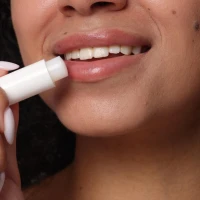
  • Perioral — is localized mainly around the mouth, sometimes spreads to other areas of the face. It often has a protracted course and requires correction of skin care.
  • Toxicoderma — develops as a reaction of the body to medicinal products or other substances that enter inside. Rashes may be widespread.
  • Photodermatitis — is associated with increased sensitivity of the skin to ultraviolet radiation. It may occur after being in the sun.

Determining the form of the disease makes it possible to select treatment that not only relieves symptoms, but also helps control the course of the disease.

Localization

Dermatitis is also classified by localization. The affected area often helps to understand what exactly could have provoked the reaction.

Most often, dermatitis is localized in the following way:

  • Dermatitis on the hands. One of the most common forms, because it is the hands that most often come into contact with water, detergents, antiseptics or other irritants. The course may be complicated due to constant repeated contact with triggers.
  • Dermatitis on the face. Facial skin is thinner and more sensitive, so it reacts faster. The cause may be cosmetic products, sun exposure or cold and wind. Even minor irritation here often looks more pronounced.
  • Dermatitis around the eyes. The periorbital area is especially delicate. A reaction may occur due to decorative cosmetics, creams, makeup removers or transfer of an allergen from the hands. Swelling and redness in this area require careful selection of treatment.
  • Dermatitis on the body. It may appear on the back, chest, abdomen or limbs. It is often associated with contact with clothing fabric, laundry detergents, overheating, sweat or medication reactions. Localization may be both limited and widespread.

Taking into account the affected area allows the doctor to more accurately establish the probable provoking factor and select therapy taking into account the sensitivity of a specific area of the skin.

Diagnosis of dermatitis

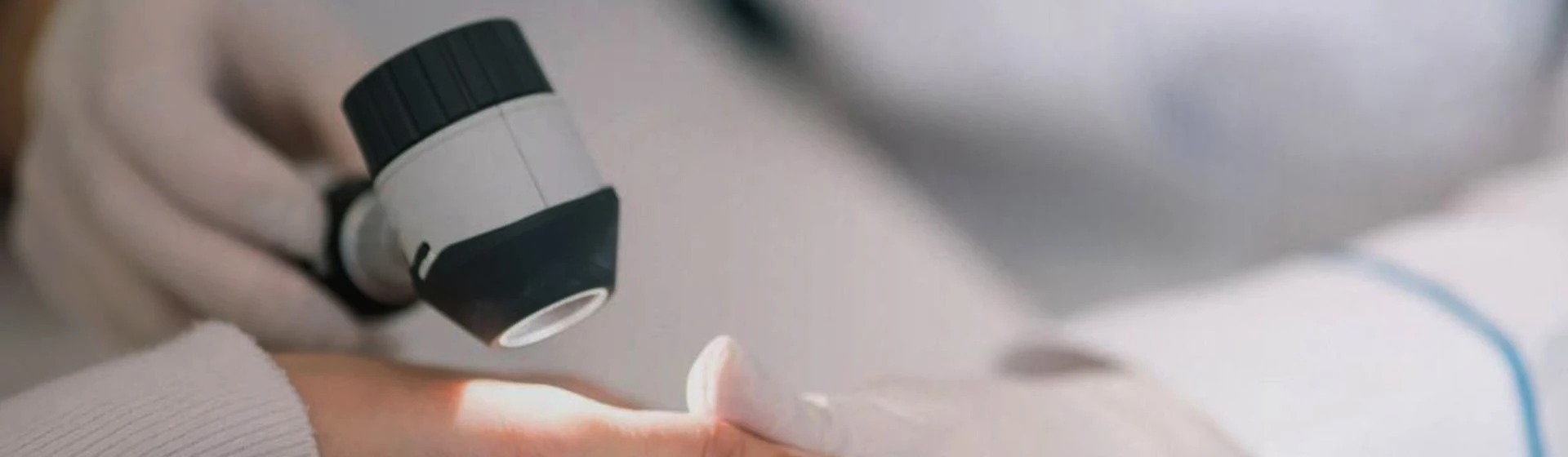
Diagnosis begins with an examination of the skin. The doctor assesses the nature of the changes, their localization, prevalence and features of the course. The external appearance of the lesion often helps to determine the probable form of the disease.

A mandatory stage is a detailed collection of anamnesis. During the consultation, it is clarified when the symptoms appeared, with what events they may be associated, whether skin care changed, whether there were new cosmetic products, medications or contact with potential irritants. It is also clarified whether similar reactions occurred earlier.

If necessary, differential diagnosis with other skin diseases is carried out. If there is suspicion of an allergic mechanism, special tests may be recommended to identify a possible allergen. Additional examinations are prescribed individually, depending on the clinical situation.

Methods of treatment of dermatitis

Treatment of dermatitis depends on its form, severity of manifestations and individual features of the patient. There is no universal scheme — therapy is selected after examination and clarification of the cause of the inflammatory process.

The main directions of treatment include:

  • elimination or limitation of contact with the provoking factor — the basic stage of therapy, without which it is difficult to achieve a stable result;
  • local treatment — use of anti-inflammatory agents in the form of creams or ointments taking into account localization and degree of damage;
  • restoration of the barrier function of the skin — regular use of moisturizing and restorative agents to reduce dryness and increase resistance to irritants;
  • anti-itch therapy — prescription of medications to reduce the intensity of itching and improve well-being;
  • systemic treatment — use of internal-action medications in widespread or severe course.

During the period of exacerbation, it is important to follow recommendations for skin care, avoid aggressive cosmetic products and not engage in self-treatment. Properly selected therapy allows controlling the course of dermatitis, reducing the frequency of exacerbations and maintaining a healthy condition of the skin.

Prevention of dermatitis

Prevention is aimed at reducing the influence of provoking factors and maintaining a healthy condition of the skin. This is especially important for people with increased sensitivity or a tendency to repeated exacerbations.

The main preventive measures include:

  • avoiding contact with known irritants and allergens;
  • using protective gloves when working with household chemicals or detergents;
  • regular moisturizing of the skin to maintain its barrier function;
  • choosing hypoallergenic care products without aggressive components;
  • limiting prolonged stay in the sun in the presence of photosensitivity;
  • control of concomitant diseases and reduction of the influence of stress.

Following these recommendations helps reduce the risk of developing dermatitis and decrease the frequency of possible exacerbations.

The price of dermatitis treatment in Kyiv at the private clinic «Oxford Medical»

The price of dermatitis treatment is determined individually and depends on the form of the disease. You can familiarize yourself with the cost of doctors' appointments on here. During the consultation, the dermatologist conducts an examination, if necessary recommends additional examinations and prepares a personal treatment plan.

At the clinic «Oxford Medical», modern medical services for the diagnosis and treatment of skin diseases are available. Appointments are conducted by doctors in different districts of the capital — in particular, a dermatologist in Osokorky, Pozniaky, Podil and in other districts of Kyiv, as well as in Irpin, is available. To make an appointment, use the online appointment form or contact the contact center.

Frequently asked questions

Is it possible to cure dermatitis?

If dermatitis has a clear provoking factor, its elimination allows completely getting rid of manifestations. In chronic forms, treatment is aimed at reducing exacerbations, supporting the barrier function of the skin and preventing repeated reactions.

Is dermatitis transmitted?

Most forms are not contagious and are not transmitted from person to person. This is an inflammatory reaction of the skin to irritants, allergens or internal factors. The exception is cases when rashes are associated with an infectious disease, however dermatitis itself as an inflammatory process is not transmitted.

How to distinguish allergy from dermatitis?

Dermatitis — is a clinical manifestation of skin inflammation, which may be a consequence of an allergic reaction or irritation. Allergy — is a mechanism of the body's immune response. It is difficult to determine the difference independently, because the symptoms are similar. An accurate diagnosis is established after examination and, if necessary, allergological tests.

Why does dermatitis not go away?

The cause may be constant contact with an irritant, incorrectly selected treatment or an unidentified allergen. Dermatitis may also have a chronic course with periods of improvement and exacerbation. Without lifestyle correction and proper skin care, symptoms may return even after temporary improvement.

Why is dermatitis dangerous during pregnancy?

In most cases, dermatitis does not pose a direct threat to the fetus. However, pronounced itching and inflammation may worsen the woman’s well-being and affect sleep quality. It is important not to engage in self-treatment, since not all medications are allowed during pregnancy, therefore therapy should be selected by a doctor.

Is it possible to sunbathe with dermatitis?

Ultraviolet radiation may both temporarily reduce manifestations and provoke exacerbation depending on the form of the disease. With photosensitivity or active inflammation, staying in the sun may worsen the condition. Therefore, the decision regarding sunbathing should be made after consultation with a doctor.

Is it possible to wash with dermatitis?

Hygienic procedures are not contraindicated, however the water should not be hot, and washing products should not be aggressive. It is recommended to use mild cleansing products without fragrances and after washing to necessarily apply moisturizing creams to support the barrier function of the skin.

Can dermatitis occur on nervous grounds?

Stress and prolonged emotional tension may intensify inflammatory reactions of the skin and provoke exacerbation, especially in chronic forms. Stress affects the immune system and the barrier function of the skin, therefore the psycho-emotional factor plays a role in the course of the disease.
Is dermatitis transmitted hereditarily?

It is not dermatitis itself that is transmitted hereditarily, but a predisposition to increased skin sensitivity or allergic reactions. If there are cases of atopic diseases in the family, the risk of developing similar conditions may be higher. However, the realization of this predisposition also depends on the influence of external factors.

( Rating: 4.97 , Votes: 78 )
Our services
Consultations
Consultation with a dermatologist
1100.00 ₴
Add Added
Consultation with a leading dermatovenereologist
1989.00 ₴
Add Added
Online consultation with a dermatovenereologist
1100.00 ₴
Add Added

Benefits of dermatitis treatment at Oxford Medical Clinic

Qualified dermatologists. Consultations are conducted by doctors with many years of experience who work according to modern clinical recommendations.

Modern diagnostics. Laboratory tests, allergological studies and other examination methods are available at the clinic.

Personalized approach. The treatment plan is formed individually, taking into account the type of dermatitis, localization of the process, and severity of symptoms.

Convenience and comfort. The appointment takes place at a convenient time, without queues, with the possibility to undergo the necessary examinations and start treatment in one place.

Our doctors

Malapura Maryna Viktorovna
4.91
rating (35)
23+
Years of experience
Online consultation
Dermatologist of the highest category, head of the aesthetic cosmetology department
23+ Years of experience
Consultation 1100
Make an appointment
Vaslauh Igor Vitaliyovych
4.96
rating (27)
25+
Years of experience
Online consultation
Dermatologist of the highest category
25+ Years of experience
Consultation 1100
Kyiv, Oleksandra Olesia St., 2
Kyiv, Knyaziv Ostrozkyh St., 46/2
Make an appointment
Perepelova Valentina Vasylivna
4.92
rating (13)
18+
Years of experience
Dermatovenereologist of the highest category
18+ Years of experience
Consultation 1100
Kyiv, Mykhayla Hryshka St., 1
Make an appointment
Potapchuk Irina Stanislavovna
4.95
rating (20)
16+
Years of experience
Dermatovenereologist, cosmetologist of the 1st category
16+ Years of experience
Consultation 1100
Kyiv, Hlybochytska St., 40x
Make an appointment
All doctors
Reviews
Сергій 26.04.2026
Щиро вдячний лікарю дерматологу Карповій М.А.за ретельно проведений огляд та професійні детальні рекомендації що до лікувального процесу.
Star Star Star Star Star
Олена 02.04.2026
Найкращий лікар.
Star Star Star Star Star
Current information
All Articles
Sign up via call center
in the clinic
online
This site is protected by reCAPTCHA technology, and the Google Privacy Policy and Terms of Service apply.
Hello!
Let's take care
about your health:
Sign up via call center

We use cookies and other technologies to remember your preferences and find out exactly how you use and interact with the site.

By using our site, you also agree to the terms of the "User Agreement" and "Regulation on the processing and protection of personal data". By clicking "I AGREE", you consent to the processing of your data.