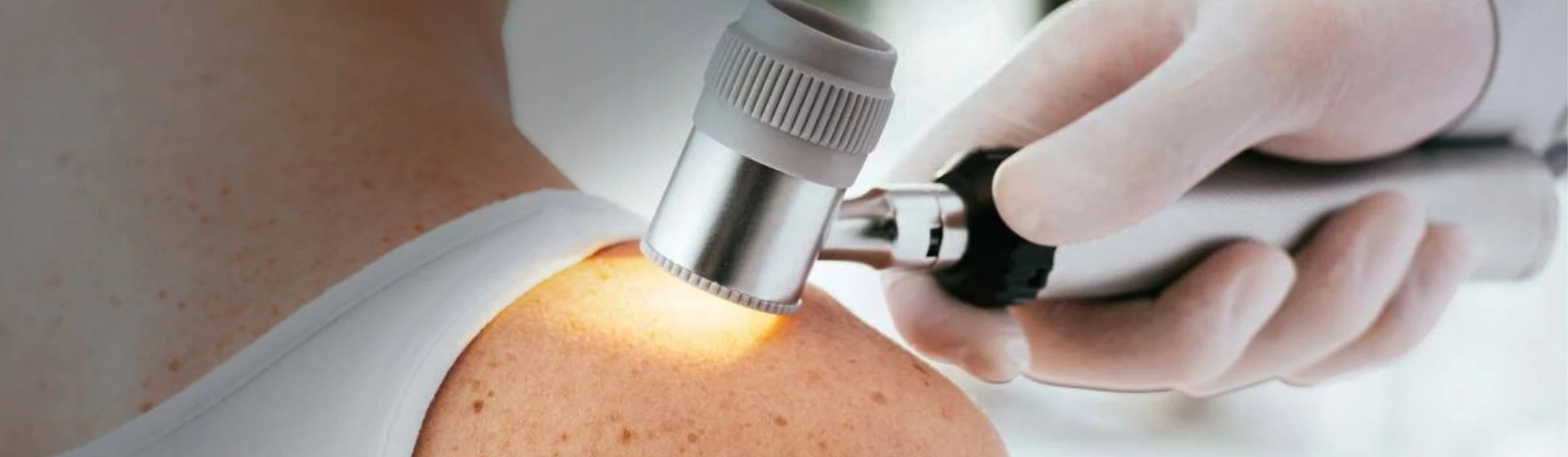
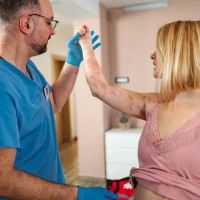
Seborrheic keratoma usually looks like a spot, plaque, or a small elevation above the surface of the skin. The color may be different: from flesh-colored and light brown to dark brown or almost black. The surface is often rough, waxy, peels, or has the appearance of a formation as if «stuck» to the skin.
Most often, seborrheic keratomas appear on the face, neck, chest, back, limbs, in areas of friction, as well as on the hairy part of the head. Seborrheic keratosis on the head is often noticed during combing, cutting, or washing the hair, when the formation is accidentally caught with a comb or nails.
In most cases, keratomas do not hurt, but may change under the influence of external factors. Traumatized seborrheic keratosis may bleed, become covered with a crust, hurt, or become inflamed. If the formation constantly rubs against clothing, jewelry, or other areas of the skin, irritated seborrheic keratosis may develop — with redness, itching, peeling, or a feeling of discomfort.
Doctors of «Oxford Medical» note: if the formation rapidly increases, changes color or shape, begins to bleed, hurt, or sharply differs from other spots and keratomas on the skin, it is worth consulting a dermatologist. Such changes do not always mean danger, but require an examination to exclude other conditions and choose the correct tactics.