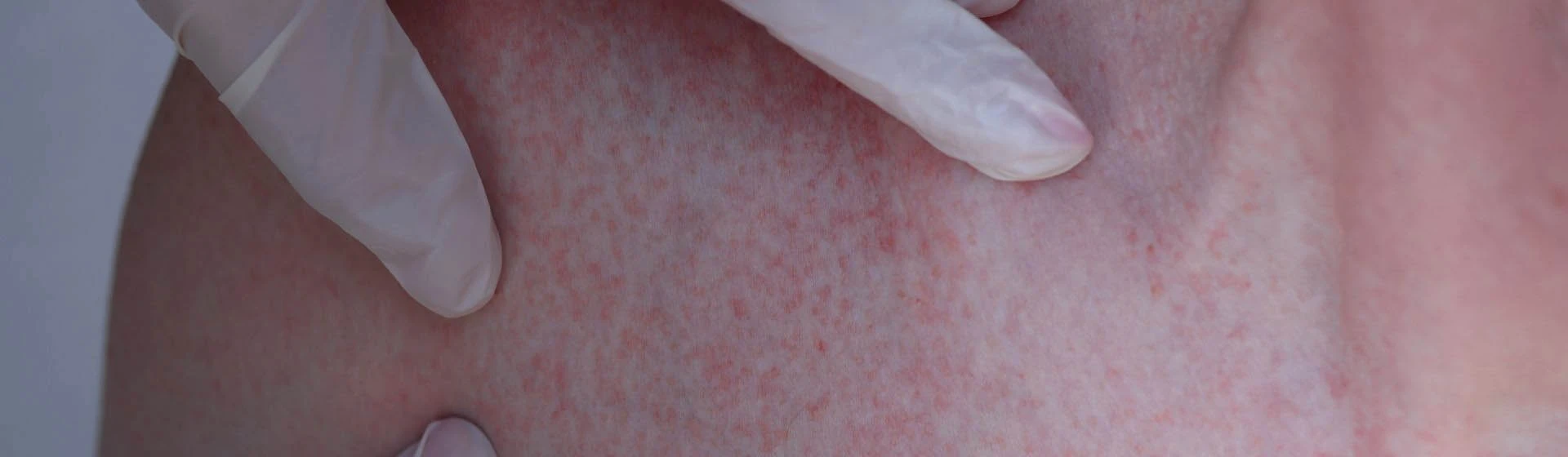
Diagnosis of shingles usually begins with an examination by a dermatologist. In most cases, the nature of the rash and its location allow the diagnosis to be established already during the appointment. The doctor assesses the appearance of the affected area, the presence of pain, burning, or increased skin sensitivity, and also clarifies how the symptoms developed.
As a rule, additional examinations are not needed. However, in some cases, when the clinical picture is atypical or there are doubts regarding the diagnosis, additional methods may be used:
- laboratory tests of the contents of the blisters to detect the virus;
- PCR diagnostics to confirm Varicella-Zoster;
- blood tests according to indications.
The doctor may also recommend consultations with related specialists if the lesion is localized in the area of the face, eyes, or is accompanied by pronounced pain. This helps to assess the risk of complications in a timely manner and determine further treatment tactics.