


expectoration of sputum mixed with blood
It is used to clarify the diagnosis, take samples of secretions, or perform a biopsy (tissue sample collection of neoplasms) for further laboratory testing.

 Adults Adults Adults Adults Adults Adults Adults Adults Adults
  Children Children Children Children


 Hotline:
 Adults Adults Adults Adults Adults Adults Adults Adults Adults Children Children Children Children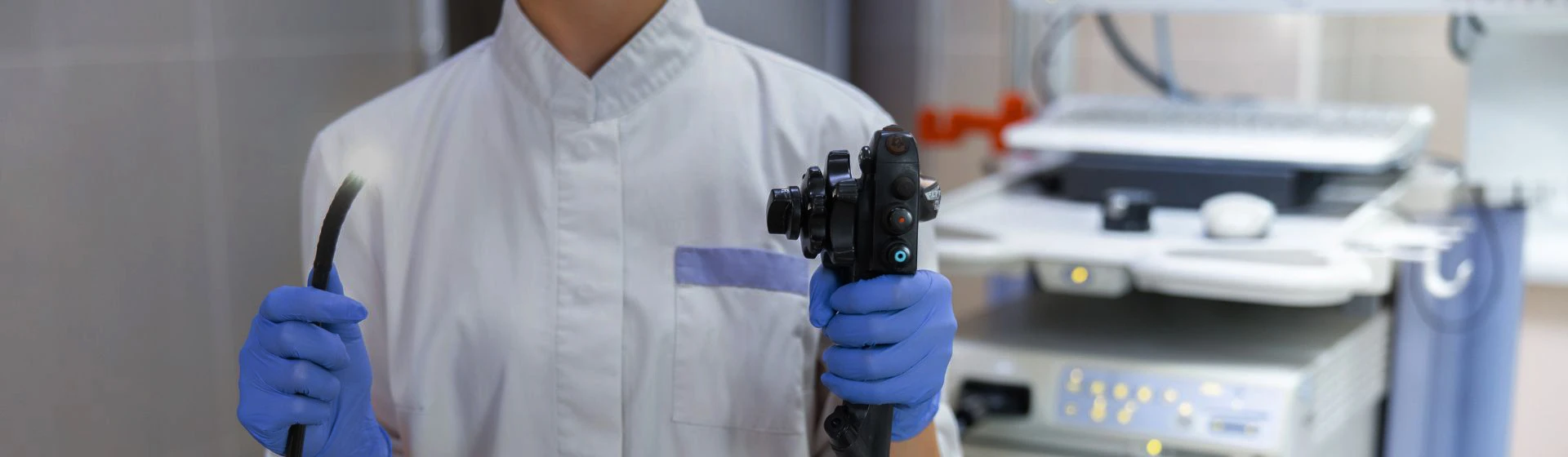
Bronchoscopy is an endoscopic procedure performed for diagnostic and therapeutic purposes. It involves examining the mucous membranes of the larynx, trachea, and bronchi using a miniature video camera mounted on the end of the bronchoscope. It also allows you to take tissue samples for analysis, remove sputum, polyps, and perform other medical procedures.
At Oxford Medical, bronchoscopy is performed by experienced endoscopists using new, expert-grade equipment. It ensures maximum efficiency and safety of the procedure. For patient comfort, local anesthesia or sedation (drug sleep) is used.
Depending on the purpose of bronchoscopy, it can be:
It is used to clarify the diagnosis, take samples of secretions, or perform a biopsy (tissue sample collection of neoplasms) for further laboratory testing.
It involves cleaning the larynx and bronchi, administering medications, and removing polyps or foreign bodies.
Bronchoscopy is used to clarify the diagnosis and assess the effectiveness of therapy,
as well as perform therapeutic manipulations.
It can be prescribed for:


expectoration of sputum mixed with blood
prolonged recurrent pneumonia
chronic bronchitis
prolonged cough or shortness of breath of unclear etiology
suspicion of malignant neoplasms
suspected tuberculosis
preparing the patient for lung surgery

Diagnostic bronchoscopy allows you to establish an accurate diagnosis, which is necessary for drawing up an effective treatment program. In addition, it is the most accurate method for diagnosing cancer of the larynx, trachea and bronchi at an early stage.
Therapeutic bronchoscopy makes it possible to conduct respiratory tract sanitation, remove sputum and purulent discharge, ensure local administration of drugs, which significantly increases their therapeutic effect, and also, if necessary, remove polyps and other small neoplasms.
Before bronchoscopy, an X-ray or CT scan of the chest is usually performed. If sedation is planned, an ECG and laboratory tests are also prescribed.
Bronchoscopy is performed in the morning on an empty stomach. The interval after the last meal and water intake should be at least 8 hours.
If it is necessary to take medication in the morning, you should consult a doctor in advance on this issue.

At the Oxford Medical Center, bronchoscopy can be performed as an outpatient procedure. For the patient's comfort, local anesthesia or sedation is used. It is performed using light sedatives that immerse the person in a drug-induced superficial sleep. At the same time, the functions of the respiratory, cardiovascular and other body systems are not impaired. The patient wakes up immediately after the procedure and does not feel sleepy or sluggish.
The procedure itself is performed in a sitting or lying position. The doctor inserts an endoscope into the respiratory tract through the nasal or oral cavity. As the device advances, he examines the walls of the larynx, trachea and bronchial tree. The image from the microcamera is transmitted with multiple magnification to the monitor screen.
Also, if necessary, the specialist performs a biopsy, washing and irrigation of the mucous membranes with medications, removal of foreign bodies or polyps and other medical manipulations.
Diagnostic bronchoscopy takes about 20 minutes, therapeutic - up to 1 hour.
At Oxford Medical, bronchoscopy is performed in a high-tech hospital. A modern bronchoscope from one of the leading manufacturers of medical equipment is used to perform the procedure. It is equipped with a thin and flexible endoscope, which minimizes irritation of the mucous membranes and discomfort for the patient. The presence of a high-quality microcamera and surgical microinstruments ensures high accuracy of diagnosis and carrying out the necessary manipulations directly during the examination.
To make an appointment for an examination or consultation with a doctor, call our contact center or write to the chat on the website.
Most patients tolerate bronchoscopy well. After a few hours, they do not feel any discomfort and can leave the clinic.
As a result of the use of anesthesia, you may experience mild numbness of the tongue and larynx for an hour and difficulty swallowing. Nasal congestion is also possible.
Drinking water and eating after bronchoscopy is usually allowed after 2 hours.
Bronchoscopy is not recommended for:


Highly qualified endoscopists
New expert-grade equipment
Possibility of using sedation (medication-induced sleep)
High level of technical equipment of the clinic
Affordable procedure cost and loyalty program for regular patients

 4.91
4.91  21+
21+ 
 21+ Years of experience
  Kyiv, Mykhayla Hryshka St., 1
 5 29+ 29+ Years of experience Kyiv, Hlybochytska St., 40x
  4.4 6+ 6+ Years of experience Kyiv, 9 Ivana Kramskoho Street
  4.78 3+

 in the clinic
  online
  Hello!


