Sign up via call center
Department
Removal of colon polyps in the private clinic Oxford Medical Kyiv

Removal of intestinal polyps

Cost of services
Services
Sign up by the call center
Polypectomy during colonoscopy of the II category of complexity (1-5 polyps)
6589.00 ₴
Sign up by the call center
Polypectomy during colonoscopy of the III category of complexity (1-2 polyps)
12589.00 ₴
Sign up by the call center
Polypectomy of each subsequent polyp during colonoscopy of the I category of complexity
1099.00 ₴
Sign up by the call center

Intestinal polyps are benign neoplasms of the mucous membrane that often do not cause any symptoms for a long time. At the same time, some types of polyps may increase over time and transform into malignant tumors, therefore in most cases doctors recommend removal of intestinal polyps. Timely treatment makes it possible to prevent the development of complications and reduce the risk of colorectal cancer.

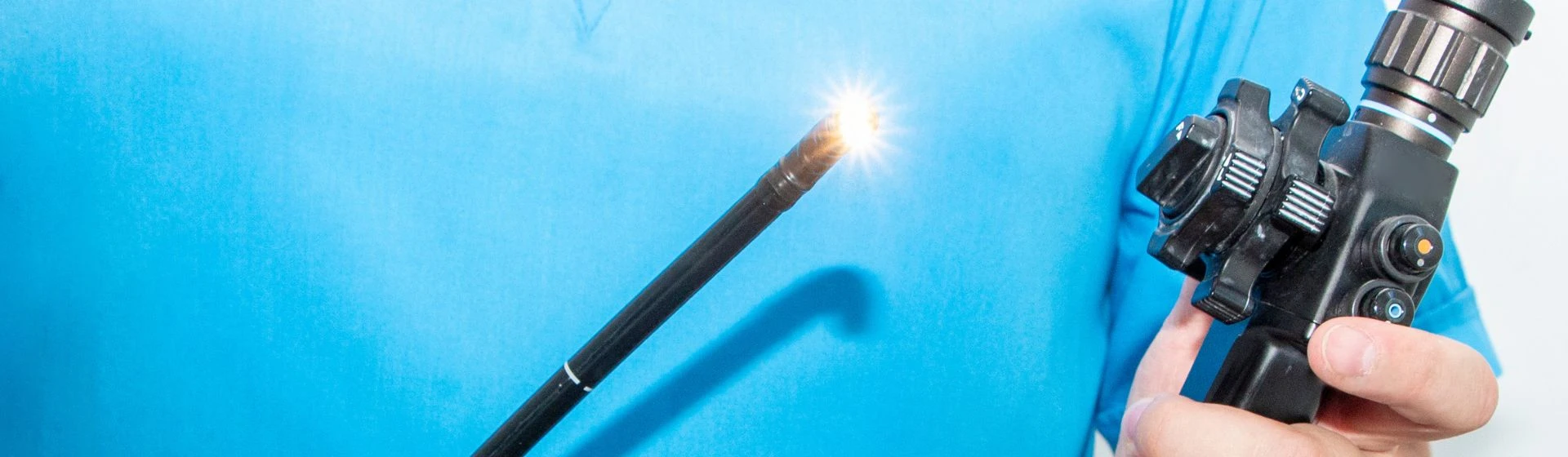
Most often, polyps are removed endoscopically — without external incisions, during colonoscopy. After endoscopic intervention, hospitalization is usually not required, and recovery takes little time.

At the medical center «Oxford Medical», endoscopic removal of polyps is performed by experienced doctors using modern expert-class equipment. For each patient, the treatment tactics are determined individually, taking into account the number, size, and localization of the polyps. To undergo treatment in comfortable conditions, contact our specialists and make an appointment for a consultation at a time convenient for you.

Causes of polyp formation in the intestine

According to US National Library of Medicine, the risk of polyp formation increases with age and depends on heredity, lifestyle, dietary characteristics, and some diseases of the digestive system. Most often, intestinal polyps are detected in people older than 45–50 years, however they may also appear at a younger age.

Factors that may contribute to the development of polyps include:

  • hereditary predisposition;
  • age over 45 years;
  • chronic inflammatory bowel diseases;
  • a diet with an excess of red and processed meat and an insufficient amount of fiber;
  • excess body weight;
  • a sedentary lifestyle;
  • smoking and excessive alcohol consumption;
  • some diseases of the digestive organs, in particular gastritis.

Doctors of «Oxford Medical» explain that the presence of risk factors does not mean the mandatory development of polyps. However, people with a hereditary predisposition or diseases of the digestive system are recommended to regularly undergo preventive examinations, because most polyps do not cause any symptoms for a long time.

Symptoms of intestinal polyps

In the early stages, polyps usually do not cause any manifestations. In many patients,
they are detected only during an endoscopic examination of the intestine. Symptoms
usually appear when the polyp increases in size, bleeds, or prevents the normal
passage of fecal masses.

The most common signs of polyps in the intestine:

blood in stool or traces of blood on toilet paper;

change in the nature of bowel movements (chronic constipation, diarrhea or their alternation);

pain or discomfort in the abdomen or rectal area;

mucus discharge and a feeling of incomplete bowel emptying.

List of diseases

Prolonged or regular bleeding of a polyp may lead to the development of iron deficiency anemia. In this case, weakness, rapid fatigue, dizziness, paleness of the skin, and other signs of decreased hemoglobin level appear.

Doctors of «Oxford Medical» recommend not postponing a visit to a doctor when blood appears in the stool or persistent changes in bowel movements occur. Timely examination makes it possible to establish the cause of the symptoms and determine the optimal treatment tactics.

Diagnosis of polyps in the intestine

It is impossible to detect a polyp in the intestine only by symptoms, since they may also be characteristic of other diseases of the digestive system. Therefore, if polyps are suspected, the doctor prescri

It is impossible to detect a polyp in the intestine only by symptoms, since they may also be characteristic of other diseases of the digestive system. Therefore, if polyps are suspected, the doctor prescribes an examination that makes it possible to assess the condition of the mucous membrane of the intestine, determine the number, size, and localization of the neoplasms.

For diagnosis, the following may be used:

  • colonoscopy — the main method of examination of the large intestine, which makes it possible to examine the mucous membrane in detail, detect polyps and, if possible, remove them immediately;
  • irrigoscopy — X-ray examination of the large intestine with contrast enhancement, which may be used in cases when performing colonoscopy is temporarily impossible or there is a need to clarify individual changes;
  • laboratory tests — to assess the general condition of the patient and detect possible consequences of bleeding.

Doctors of «Oxford Medical» explain that the most informative method for diagnosing polyps of the large intestine is colonoscopy itself. It makes it possible not only to confirm the presence of neoplasms, but also in many cases to immediately perform their endoscopic removal, avoiding repeated intervention.

When it is necessary to remove intestinal polyps

After detecting a neoplasm, the doctor evaluates its size, shape, localization, and other features that affect the further treatment tactics. In most cases, treatment of an intestinal polyp involves its removal, since this makes it possible to eliminate existing symptoms, prevent the development of complications, and reduce the risk of colorectal cancer.

Removal is usually recommended in the following cases:

  • there is an increased risk of malignant transformation;
  • the neoplasm gradually increases;
  • the polyp bleeds or causes other symptoms;
  • multiple intestinal polyps or hereditary forms of intestinal polyposis have been detected.

Doctors of «Oxford Medical» recommend not postponing the procedure if there are indications for polyp removal. Timely intervention makes it possible to avoid disease progression and reduces the risk of complications.

Main methods of removing polyps in the intestine

The removal method depends on the size, number, shape, localization, and structure of the polyps. In most cases, polyps in the large intestine are removed endoscopically during colonoscopy — without external incisions.

The main method is polypectomy of the large intestine. It is performed using special endoscopic instruments that are inserted through the colonoscope. After removal, the neoplasm is necessarily sent for histological examination.

If the neoplasm has a larger size, a wide base, or a flat shape, more complex endoscopic techniques may be used — for example, removal in fragments or resection of the mucous membrane. This makes it possible to safely remove the neoplasm even in more complex clinical situations.

In most cases, polypectomy of the large intestine makes it possible to completely remove the polyp during one intervention. If the neoplasm cannot be safely removed endoscopically, it has very large dimensions, or the examination results indicate a high probability of a malignant process, the doctor may recommend surgical intervention.

Stages of preparation for surgery

Proper preparation for endoscopic removal of polyps is an important condition for the successful performance of the procedure. High-quality cleansing of the intestine ensures good visualization of the mucous membrane and allows the doctor to thoroughly examine it during colonoscopy.

Preparation usually includes:

  • a complete blood count and other examinations — according to indications;
  • ECG and consultation with an anesthesiologist, if the procedure is planned under sedation;
  • temporary correction of the intake of anticoagulants, antiplatelet agents, or other drugs that affect blood clotting, according to the doctor's recommendation;
  • cleansing of the intestine with special agents in accordance with the prescribed scheme.

2–3 days before the procedure, it is recommended to switch to a low-residue diet: exclude vegetables, fruits, greens, berries, nuts, seeds, legumes, and whole-grain products. On the eve of the intervention, only clear liquids are allowed (water, tea without milk, clear broths). Cleansing of the intestine is carried out with the help of special laxative preparations according to the scheme prescribed by the doctor.

If removal is planned under sedation, it is necessary to follow the recommendations regarding the fasting period before the procedure. Usually, it is not recommended to consume food 6–8 hours and liquid 2–4 hours before the intervention, if the doctor has not provided other recommendations.

Doctors of «Oxford Medical» recommend carefully following all recommendations regarding preparation. An insufficiently cleansed intestine may complicate examination of the mucous membrane and in individual cases become the reason for postponing the procedure.

How polyps are removed in the intestine

Endoscopic removal of polyps is performed during colonoscopy. The duration of the procedure depends on the number, size, and location of the neoplasms, but in most cases takes from 20 to 60 minutes. In most cases, the procedure is performed under sedation (medicated sleep), which ensures the patient's comfort during the intervention.

Main stages of the procedure:

  • the patient is placed on the couch and the necessary preparation for the intervention is carried out;
  • the doctor inserts the colonoscope and examines the mucous membrane of the large intestine;
  • after detecting the polyp, it is removed by the endoscopic method;
  • the removed material is placed in a special container and sent for histological examination;
  • after the procedure is completed, the patient remains under medical supervision until full recovery after sedation, if it was used.

After the procedure is completed, the doctor assesses the patient's well-being and provides individual recommendations regarding regimen, nutrition, physical activity, and the intake of medicinal products. If the well-being is satisfactory, in most cases the patient can leave the clinic on the same day.

Rehabilitation after removal of intestinal polyps

During the recovery period, it is usually recommended to:

  • on the day of the procedure, refrain from driving a car if the intervention was performed under sedation;
  • avoid intense physical exertion and lifting heavy objects for several days;
  • not consume alcohol until full recovery and completion of taking medicinal preparations;
  • take only those medicinal products that the doctor recommended;
  • follow recommendations regarding nutrition and drinking regimen;
  • undergo follow-up examinations in a timely manner if the doctor has prescribed them.

After endoscopic removal of neoplasms, most patients quickly return to their usual lifestyle. In the first days after the procedure, minor discomfort in the abdomen, bloating, moderate pain, or isolated traces of blood in the stool are possible. Such symptoms usually pass on their own. If severe pain, heavy bleeding, increased body temperature, or a sharp deterioration in well-being appear, it is necessary to consult a doctor immediately.

Diet after removal of polyps in the intestine

Nutrition after surgery should be gentle, especially in the first days after the procedure. A properly selected diet helps reduce the load on the intestine, promotes healing of the mucous membrane, and reduces the risk of postoperative complications.

On the first day after the intervention, it is recommended to consume still water, weak tea, low-fat broth, and kissel. Starting from the next day, if the well-being is satisfactory, liquid porridges with water, vegetable puree soups, natural yogurt without additives, low-fat kefir, boiled chicken fillet, or low-fat fish are gradually added to the diet.

During the first week after the procedure, it is recommended to:

  • drink 1.5–2 liters of water per day in the absence of contraindications;
  • eat small portions 4–6 times a day;
  • consume boiled or baked chicken fillet, turkey, low-fat fish, oatmeal, buckwheat, or rice porridge, vegetable soups, potato or vegetable puree, natural yogurt without additives, low-fat kefir, and fermented milk cheese;
  • gradually add foods rich in fiber to the diet: baked apples, bananas, zucchini, pumpkin, carrots, broccoli, and other thermally processed vegetables;
  • give preference to warm dishes, rather than hot or very cold ones.

During this period, it is also advisable to refrain from spicy, fried, and fatty dishes, smoked foods, marinades, alcohol, carbonated drinks, strong coffee, as well as legumes, cabbage, grapes, mushrooms, fresh baked goods, and other foods that may increase gas formation.

Doctors of «Oxford Medical» recommend returning to the usual diet gradually. If after consuming certain foods abdominal pain, bloating, nausea, or bowel movement disorder appears, it is worth temporarily excluding them from the menu and informing the doctor about this.

Prevention of intestinal polyps

It is impossible to completely prevent the formation of polyps. However, balanced nutrition, sufficient physical activity, giving up harmful habits, and timely treatment of diseases of the digestive system may help reduce the risk of their development.

For prevention, it is recommended to:

  • follow a balanced diet with a sufficient amount of vegetables, fruits, whole-grain products, and dietary fibers;
  • maintain normal body weight and regularly engage in physical activity;
  • limit the consumption of red and processed meat, alcohol, and also give up smoking;
  • treat diseases of the digestive organs in a timely manner;
  • undergo preventive examinations according to age, heredity, and other risk factors.

Special attention should be paid to prevention by people whose close relatives had polyps or colorectal cancer, as well as patients who have already undergone endoscopic removal of neoplasms. In such cases, the doctor may recommend a follow-up colonoscopy after a certain period of time to assess the condition of the mucous membrane of the intestine and timely detect possible changes.

How much does removal of polyps in the intestine cost in Kyiv at the private clinic «Oxford Medical»

For removal of intestinal polyps, the price depends on their number, size, localization, and the complexity of the endoscopic intervention. The use of sedation may also affect the cost.

More precisely regarding treatment options and cost, the doctor will guide you during the appointment. You can preliminarily familiarize yourself with prices for doctors' consultations and other medical services here. To make an appointment, leave a request through the online appointment form on the website or contact the contact center by phone.

The information is for informational purposes and does not replace a doctor's consultation.

Sources:

Frequently asked questions

Is it necessary to remove polyps in the intestine?

In most cases, yes. Neoplasms do not disappear on their own, and some of them may increase over time or have a risk of malignant transformation. The treatment tactics are determined by the doctor after colonoscopy.

Are polyps in the intestine dangerous?

Most are benign, however certain types may gradually transform into malignant tumors. In addition, large neoplasms are capable of causing bleeding, anemia, or disruption of intestinal function.

How quickly does a polyp grow in the intestine?

The growth rate depends on the type of neoplasm and the individual characteristics of the body. Some may remain almost unchanged for many years, while others increase faster. That is why it is important to follow the doctor's recommendations regarding follow-up examinations.

At what age do polyps appear in the intestine?

Polyps may occur at any age, but they are most often detected after 45–50 years. The risk increases in the presence of hereditary predisposition, chronic bowel diseases, obesity, smoking, a sedentary lifestyle, and unbalanced nutrition.

Do polyps in the intestine hurt?

Small neoplasms usually do not cause pain and may develop asymptomatically for a long time. Unpleasant sensations more often appear with large neoplasms or the development of complications. Blood in the stool, changes in bowel movements, or anemia may also be a reason to consult a doctor.

Видны ли полипы кишечника на КТ?

Обычная компьютерная томография не является основным методом диагностики полипов кишечника. Для их выявления наиболее информативной считается колоноскопия, которая позволяет не только осмотреть слизистую оболочку, но и сразу удалить новообразование и направить его на гистологическое исследование.

Is it possible to live with polyps in the intestine?

Polyps may not cause symptoms for a long time, however it is not recommended to leave them without observation or treatment. The tactics depend on the size, type, and number of neoplasms. The doctor determines whether removal is needed or regular monitoring is sufficient.

How long does the intestine heal after removal of a polyp?

Healing of the mucous membrane after endoscopic removal of a neoplasm usually lasts from several weeks to one month. The exact period depends on the size of the polyp, the extent of the intervention, and the individual characteristics of the body. During this period, it is important to follow the doctor's recommendations.

( Rating: 4.88 , Votes: 67 )

4 advantages of Oxford Medical Clinic

The latest equipment – ​​studies are conducted on the high-precision Olympus Exera II video system, which provides a clear image and high information content.

Accurate diagnosis with NBI – Narrow-band imaging (NBI) allows you to detect precancerous changes and early stages of tumors that may remain undetected during standard examination

Possibility of performing endoscopy while asleep – for maximum patient comfort, the procedure can be performed under sedation, which avoids discomfort and stress

Safety and experience of doctors – endoscopic examinations are performed by experienced endoscopists who adhere to international standards of diagnosis and treatment

Possibility of taking a biopsy and removing polyps – during the procedure, the doctor can perform additional manipulations, which reduces the need for repeated examinations

Comfortable conditions and attentive approach – modern medical offices, caring staff and an individual approach to each patient

Our doctors

Syurkel Mykola Mykolayovych
4.91
rating (11)
25+
Years of experience
Endoscopist, gastroenterologist, surgeon Highest Category
25+ Years of experience
Consultation 1989
Kyiv, Sribnokilska St. 20
Make an appointment
Volik Leonid Leonidovich – gastroenterologist, endoscopist of the highest category of the private clinic Oxford Medical Kyiv
4.83
rating (12)
28+
Years of experience
Endoscopist of the Highest Category
28+ Years of experience
Kyiv, st. Bereznyakivska, 30b
Kyiv, Hlybochytska St., 40x
Make an appointment
Rybalko Serhiy Oleksandrovych
4.91
rating (33)
21+
Years of experience
Online consultation
Endoscopist, surgeon Highest Category
21+ Years of experience
Make an appointment
Maria Mykolayivna Kupriyan – endoscopist, category I gastroenterologist of the Oxford Medical Kyiv private clinic
4.75
rating (20)
6+
Years of experience
Endoscopist, Gastroenterologist of the First Category
6+ Years of experience
Kyiv, 9 Ivana Kramskoho Street
Make an appointment
All doctors
Reviews
Ірина 23.06.2026
Хочу подякувати Андрію Андрійовичу за уважне ставлення. Під час ендоскопічного обстеження лікар виявив проблему, яку не могли знайти раніше, і це дозволило вчасно розпочати лікування. Дуже професійний спеціаліст.
Star Star Star Star Star
Оксана 20.06.2026
Хочу подякувати лікарю за супер професіоналізм! Лікар дуже уважний, професіонал своєї справи! Робила гастроскопію вперше, переживала, але лікар провів бесіду все чітко пояснив, заспокоїв,процедура пройшла швидко, безболісно! Асистенту Наталії окрема подяка!
Star Star Star Star Star
Sign up
in the clinic
online
This site is protected by reCAPTCHA technology, and the Google Privacy Policy and Terms of Service apply.
Hello!
Let's take care
about your health:
Sign up via call center

We use cookies and other technologies to remember your preferences and find out exactly how you use and interact with the site.

By using our site, you also agree to the terms of the "User Agreement" and "Regulation on the processing and protection of personal data". By clicking "I AGREE", you consent to the processing of your data.