


The bladder, rectum, pelvic bones, lymph nodes, soft tissues, and blood vessels are examined. In women, the uterus, ovaries, and fallopian tubes are visualized, and in men, the prostate gland and seminal vesicles are visualized. This allows for the detection of tumors, inflammation, cysts, and injuries.
Sign up via call center 
 Adults Adults Adults Adults Adults Adults Adults Adults Adults
  Children Children Children Children
Department
Adults Outpatient department
Adults Outpatient department
Inpatient department
Adults Inpatient department
Aesthetic medicine
Adults Aesthetic medicine
Dentistry
Adults Dentistry
Plastic surgery
Adults Plastic surgery
Diagnostics
Adults Diagnostics
Analyzes
Adults Analyzes
Outbound services
Adults Outbound services
Children Outpatient department
Children Outpatient department
Dentistry
Children Dentistry
Diagnostics
Children Diagnostics

Kyiv


 Hotline:
 Request a call:


Department
Adults Outpatient department
Adults Outpatient department
Inpatient department
Adults Inpatient department
Aesthetic medicine
Adults Aesthetic medicine
Dentistry
Adults Dentistry
Plastic surgery
Adults Plastic surgery
Diagnostics
Adults Diagnostics
Analyzes
Adults Analyzes
Outbound services
Adults Outbound services
Children Outpatient department
Children Outpatient department
Dentistry
Children Dentistry
Diagnostics
Children Diagnostics

CT scan of the pelvis
CT scan of the pelvis in Kyiv
Computed tomography (CT) of the pelvic organs is a modern diagnostic method based on the use of X-rays to create layer-by-layer images of internal structures. Due to its high resolution and scanning speed, CT allows you to detect pathological changes, neoplasms, inflammatory processes and other abnormalities with great accuracy.
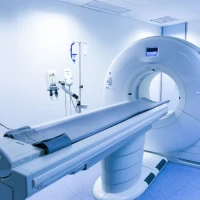
At the Oxford Medical medical center in Kyiv, CT of the pelvic organs is performed on a 64-slice Siemens Somatom Go.UP tomograph, which provides ultra-thin slices (0.7 mm) and high image quality with minimal radiation exposure.
Make an appointment for a CT scan of the pelvic organs in Kyiv at the Oxford Medical clinic in Kyiv and receive professional medical care.
What does a CT scan of the pelvic organs show?
CT of the pelvis allows you to obtain detailed images of bone structures, soft tissues and internal organs that are part of this anatomical area. In women, the condition of the uterus, cervix, ovaries, fallopian tubes, bladder, rectum is assessed. In men, the prostate gland, seminal vesicles, bladder and rectum are assessed.
The pelvic bones, muscles, vessels and lymph nodes are also visualized. CT allows you to detect tumors, cysts, inflammatory processes, traumatic injuries, anatomical displacements and signs of metastasis of the oncological process.
Indications for pelvic CT in women and men
Computed tomography of the pelvic organs is an important diagnostic tool for detecting various pathologies in women and men.
In women, CT of the pelvis is indicated for:
- suspected tumors of the ovaries, uterus, or other pelvic organs;
- detection of cysts or other neoplasms;
- assessment of the spread of the oncological process;
- suspected endometriosis or pelvic inflammatory disease;
- postoperative control.
For men, CT of the pelvis is prescribed for:
- suspected prostate disease, including hyperplasia or cancer;
- detection of neoplasms or metastases;
- assessment of the condition of the bladder and urinary tract;
- postoperative monitoring.
CT of the pelvic organs allows you to obtain detailed information about the structure and condition of internal organs, which is key to accurate diagnosis and effective treatment. In some cases, a CT scan of the ENT is also prescribed.
CT scan of the pelvis with and without contrast
CT of the pelvic organs can be performed with or without contrast, depending on the clinical situation and the goals of the study.
CT without contrast is used for a general assessment of the anatomy of the pelvic organs, the detection of large neoplasms, cysts, stones in the urinary tract. It is less informative when it is necessary to study the vessels in detail or determine the boundaries of tumors.
The introduction of a contrast agent allows you to more clearly visualize the vessels, determine the nature of neoplasms, detect inflammatory processes and metastases. CT of the pelvic organs with contrast is indispensable for suspected oncological diseases or to clarify the diagnosis.
Preparation for pelvic CT scan
Proper preparation for CT of the HMT is important for obtaining high-quality images and accurate results.
General recommendations:
- Refrain from eating and drinking 4–6 hours before the procedure;
- Avoid foods that cause gas formation (legumes, cabbage, carbonated drinks) 24 hours before the examination;
- If necessary, as prescribed by a doctor, take a laxative or do an enema to cleanse the intestines;
- When performing CT with contrast, inform the doctor about possible allergic reactions to iodine or other contrast agents.
Following these recommendations will ensure high-quality images and minimize the risk of complications.
How is the pelvic CT procedure performed?
The pelvic CT scan procedure is painless and takes little time:
- The patient is placed on the scanner table in a supine position.
- If contrast material is required, it is administered intravenously before the scan.
- The table with the patient is moved into the machine where the scan is performed.
- During the scan, you must lie still and, as instructed by the specialist, hold your breath for a few seconds.
- After the procedure, the patient can return to their usual routine. If contrast material was administered, it is recommended to drink more to quickly remove it from the body.
Contraindications to pelvic CT scan
Although CT is a safe diagnostic method, there are certain contraindications to examination with contrast:
- allergy to contrast agent or iodine-containing drugs;
- severe renal failure, which may complicate the elimination of contrast agent from the body.
Before performing a CT scan, the doctor must assess the patient's condition and determine the possibility of conducting the study.
Price of pelvic CT scan at Oxford Medical
You can find out the price for a pelvic CT scan here.
The price for a pelvic CT scan depends on the type of examination and the scope of the examination. If a pelvic CT scan is performed with contrast, the cost will be slightly higher, because the contrast agent is administered intravenously, and the procedure requires more time and careful monitoring by a doctor. The price for a pelvic CT scan without contrast is lower.
Make an appointment for an examination at a time convenient for you by phone or via online chat on the website.
Frequently asked questions
What organs are examined during a pelvic CT scan?
How often can a CT scan with contrast be done?
The frequency is determined by the doctor based on the indications, but usually such studies are not performed too often due to radiation exposure. If the patient is in a stable condition, CT with contrast is performed several times a year, and more often if necessary, with monitoring of kidney function.
Is a pelvic CT scan done during pregnancy?
This method is not recommended for pregnant women, especially in the first trimester, due to the use of X-rays. It is used only in emergency cases when it is impossible to obtain data by other methods. Alternatives are MRI or ultrasound - they are safer during pregnancy.
CT scan of the pelvis in women: what does it show?
In women, the condition of the uterus, ovaries, fallopian tubes, cervix, as well as the bladder and rectum is assessed. The study allows to detect tumors, cysts, foci of endometriosis, the effects of inflammatory processes and structural changes, which are important for treatment planning.
CT scan of the pelvic organs with contrast: what does it show?
Contrast improves visualization of blood vessels, tumor borders, and inflammatory foci, and allows for the distinction of benign from malignant lesions. The method is particularly informative in cases of suspected cancer, metastases, or complex anatomical changes — in both men and women.

Our services
Services

CT scan of the chest (lungs, mediastinum, rib cage) (with contrast)
4589.00 ₴
Sign up by the call center
CT of the urinary system with excretory urography (kidneys, adrenal glands, ureters, bladder) (with contrast)
5189.00 ₴
Sign up by the call center
CT scan of the abdominal cavity and pelvis (with contrast)
5789.00 ₴
Sign up by the call center
CT scan for stones (abdominal cavity, retroperitoneal space, pelvis)
2689.00 ₴
Sign up by the call center
CT abdominal cavity, retroperitoneal space, pelvis (with contrast)
5189.00 ₴
Sign up by the call center

Advantages of performing computed tomography (CT) at Oxford Medical Clinic

Using a 64-slice Siemens Somatom Go.UP tomograph, which provides ultra-thin slices (0.7 mm) and high image quality with minimal radiation exposure.
Evaluation of results by experienced specialists who regularly undergo advanced training.
Fast results with decoding.
The opportunity to undergo an examination without waiting in lines, at a time convenient for you.
Show more 
Patient reviews
Коломієць Катя 23.02.2024
Дуже задоволена цією клінікою,робила КТ черевної порожнини і гастроскопію дуже вдячна спеціалістам гарне обслуговування . Дякую ще дівчаткам на інформаційній.

Роман 24.10.2022
Дякую за якісне КТ легенів , результати надійшли вже на наступний день. Дуже ввічливий персонал.
Current information


09 March 2026
What Is the Difference Between CT and MRI: Which Diagnostic Method to Choose
11 June 2025
What is CT?

Sign up via call center
 in the clinic
  online

 Hello!
Let's take care
about your health:
Sign up via call center 
