


Yes, a CT scan of the hand is a safe procedure. Modern tomographs, such as Siemens Somatom Go.UP, have a low level of radiation exposure. The examination is performed only for medical indications, and the radiation dose is minimal and does not harm health during a single scan.
Sign up via call center 
 Adults Adults Adults Adults Adults Adults Adults Adults Adults
  Children Children Children Children
Department
Adults Outpatient department
Adults Outpatient department
Inpatient department
Adults Inpatient department
Aesthetic medicine
Adults Aesthetic medicine
Dentistry
Adults Dentistry
Plastic surgery
Adults Plastic surgery
Diagnostics
Adults Diagnostics
Analyzes
Adults Analyzes
Outbound services
Adults Outbound services
Children Outpatient department
Children Outpatient department
Dentistry
Children Dentistry
Diagnostics
Children Diagnostics

Kyiv


 Hotline:
 Request a call:


Department
Adults Outpatient department
Adults Outpatient department
Inpatient department
Adults Inpatient department
Aesthetic medicine
Adults Aesthetic medicine
Dentistry
Adults Dentistry
Plastic surgery
Adults Plastic surgery
Diagnostics
Adults Diagnostics
Analyzes
Adults Analyzes
Outbound services
Adults Outbound services
Children Outpatient department
Children Outpatient department
Dentistry
Children Dentistry
Diagnostics
Children Diagnostics

CT scan of the hand
CT scan of the hand in Kyiv
CT of the hand is an informative, fast and safe examination that allows you to obtain layer-by-layer images of all anatomical structures of the upper limb: from bones and joints to tendons, muscles and vessels. The method is based on X-ray scanning with subsequent computer processing of data, which allows you to see pathologies even at the initial stage.
At the Oxford Medical clinic in Kyiv, the examination is performed on a 64-slice Siemens Somatom Go.UP tomograph. This device creates ultra-precise slices with a thickness of 0.7 mm and allows you to visualize small structures without unnecessary radiation exposure.
Do you feel pain in your hand, swelling, loss of mobility or the consequences of an injury? Do not wait for complications - sign up for a CT of the hand at Oxford Medical and get high-quality diagnostics without queues and delays.
In what cases does a doctor prescribe a CT scan of the hand?
CT of the hand is performed in the presence of clinical symptoms that require clarification of the diagnosis or monitoring of the dynamics of treatment. The main situations when the examination is prescribed:
- Recent injury: suspected fracture, bruise, dislocation or ligament damage.
- Chronic pain in the hand, wrist or elbow joint that does not go away for a long time.
- Sensory disorders: numbness of the fingers, tingling, cold sensation or weakness.
- Complications after injuries or surgeries: to check the condition of bone tissue, implants or healing.
- Suspected tumor or other neoplasms.
- Accompanying inflammatory diseases: arthritis, tendonitis, bursitis.
- Deformities of the hand or fingers of unknown origin.
The examination is also prescribed for neurological symptoms when there is suspicion of nerve damage within the upper limb.
What pathologies can a CT scan of the hand detect?
Computed tomography of the hand allows you to accurately diagnose:
- Fractures, fractures, displacement of fragments, even if they are not visible on a regular X-ray.
- Chronic joint diseases: arthritis, arthrosis, gout.
- Cysts, benign and malignant tumors of soft tissues and bones.
- Consequences of degenerative processes: thinning of cartilage, violation of tendon integrity, calcifications.
- Vascular disorders - during examination with contrast.
- Postoperative changes: osteosynthesis, installed plates, screws, prostheses.
- Changes after infections: osteomyelitis, inflammatory lesions of the joints.
- Developmental anomalies of the hand or radius/ulna.
Hand tomography is especially useful for complex wrist injuries, when a three-dimensional assessment of damaged structures is necessary for planning surgical intervention.
Preparing for a CT scan of the hand
If the CT scan of the hand is performed without contrast, no special preparation is required. It is enough to come to the examination at a convenient time, not forgetting to remove all metal objects in the examination area (bracelets, rings, watches, etc.).
In case the administration of a contrast agent is planned, the preparation is slightly different:
- You should refrain from eating 4–6 hours before the procedure;
- It is advisable to drink more water on the eve of the examination;
- Be sure to inform the doctor about the presence of allergies, pregnancy, diabetes or kidney disease.
The doctor may prescribe a blood test for creatinine to assess kidney function before the administration of contrast. This helps to avoid adverse reactions.
What questions may a doctor ask before a CT scan?
Before the examination, the doctor or the administrator of the diagnostic office may ask:
- Are you allergic to iodine-containing drugs?
- Are you taking any medications, including nephrotoxic ones?
- Is there a history of thyroid, liver, or kidney disease?
- Do you have implants, prostheses, or plates installed?
- What part of the arm is bothering you — hand, forearm, or elbow?
These questions help to choose the most optimal examination method.
How is the CT scan of the upper limb performed?
The examination takes place in a specially equipped room. The patient is placed on the tomograph table, and the arm is fixed in a comfortable position. If the CT scan is performed with contrast, an intravenous catheter is first installed.
Next, the device performs a layer-by-layer scan. The entire process takes no more than 10–15 minutes. The examination is painless, non-contact and does not cause discomfort. After the procedure is completed, the patient can immediately return to their usual routine.
The results of the CT scan of the arm (images and the doctor's report) can be obtained in digital or printed format.
CT scan of the hand: price in Kiev at Oxford Medical
In our clinic, the price for a CT scan of the wrist is formed depending on the format of the study - with or without contrast, the urgency of obtaining results and related services. You can familiarize yourself with the prices in advance here.
The clinic performs all types of computed tomography, including CT scan of the chest cavity.
Make an appointment for a CT scan of the hand at the Oxford Medical clinic in Kyiv online or by phone. Take care of your health - in a timely manner.
Frequently asked questions
Is it safe to have a CT scan of the hand?
How is a CT scan of the hand different from an X-ray?
X-rays provide a flat image, while CT creates a layer-by-layer three-dimensional reconstruction of anatomical structures. Computed tomography of the hand is much more accurate, allowing you to detect microfractures, displacements, tumors, and assess the condition of soft tissues, which X-rays cannot do.
When is it best to have a CT scan of the hand with contrast?
CT of the hand with contrast is prescribed for suspected tumors, vascular pathologies, or inflammation. The contrast agent helps visualize blood vessels and soft tissues, improving diagnostic accuracy. The decision to use contrast is made by the doctor depending on the clinical situation.
Is the CT scan of the hand painful?
The CT scan of the hand is completely painless. The patient lies on the scanner table, the hand is fixed, and the scan is performed. If a CT scan with contrast is prescribed, only a brief feeling of warmth is possible during the injection of the drug. The examination does not cause discomfort and does not require recovery.
Do I need to remove all jewelry before a CT scan of my hand?
Yes, before the examination, you should remove all metal objects from your hand: watches, bracelets, rings. Metal can affect the quality of the image and complicate the accuracy of the diagnosis. The medical staff will remind you of this before the scan begins.
Can a CT scan of the hand be done if there is swelling or hematoma?
Yes, CT is often prescribed for edema and hematomas to find out their cause. The method allows you to exclude fractures, dislocations or internal bleeding. The presence of edema is not an obstacle to the examination, but the doctor will take into account the condition of the soft tissues during interpretation.
How long does a CT scan of the hand last?
The CT scan of the hand itself takes 5–10 minutes. If contrast dye is used, the time can increase to 15 minutes due to preparation. Results are available within a few hours or the same day. The entire procedure does not require hospitalization or recovery time.
Can children undergo a CT scan of the hand?
Yes, CT scans of the hand can be performed on children upon doctor's prescription. Tomography is prescribed for injuries, suspected fractures, tumors, or congenital pathologies. In children, the procedure is performed with special caution and only when clinically necessary, taking into account age and safety.
What are the contraindications to performing a CT scan of the upper extremity?
CT without contrast has no absolute contraindications. The restrictions apply to contrast studies: allergy to iodine, renal failure, pregnancy, severe general condition. Before the examination, the doctor assesses the history and, if necessary, selects an alternative method.

Our services
Services

CT scan of two joints (both feet with ankle/knee/hip joints)
2589.00 ₴
Sign up by the call center
CT scan of one joint (one foot with ankle/knee/hip)
1969.00 ₴
Sign up by the call center

Advantages of hand CT at Oxford Medical Clinic

Modern equipment. CT is performed on a new generation 64-slice tomograph.
Experienced doctors. The study is interpreted by a team of radiologists specializing in the musculoskeletal system.
Fast registration and results. The examination is available on the day of application, the conclusion is available within a few hours.
Possibility of examination with contrast - to clarify complex cases.
Show more 
Reviews
Коломієць Катя 23.02.2024
Дуже задоволена цією клінікою,робила КТ черевної порожнини і гастроскопію дуже вдячна спеціалістам гарне обслуговування . Дякую ще дівчаткам на інформаційній.

Роман 24.10.2022
Дякую за якісне КТ легенів , результати надійшли вже на наступний день. Дуже ввічливий персонал.
News

09 March 2026
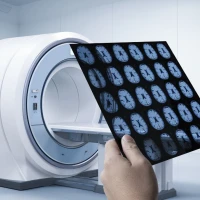
What Is the Difference Between CT and MRI: Which Diagnostic Method to Choose
11 June 2025
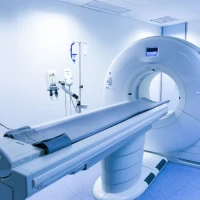
What is CT?

Sign up via call center
 in the clinic
  online

 Hello!
Let's take care
about your health:
Sign up via call center 
