


The total duration of CT of the kidneys is 5–15 minutes, depending on the type of examination. A non-contrast CT scan usually takes up to 5 minutes. If CT with contrast is performed, the time increases due to preparation and administration of the contrast agent. Additionally, a few minutes should be allocated for documentation.
Sign up via call center 
 Adults Adults Adults Adults Adults Adults Adults Adults Adults
  Children Children Children Children
Department
Adults Outpatient department
Adults Outpatient department
Inpatient department
Adults Inpatient department
Aesthetic medicine
Adults Aesthetic medicine
Dentistry
Adults Dentistry
Plastic surgery
Adults Plastic surgery
Diagnostics
Adults Diagnostics
Analyzes
Adults Analyzes
Outbound services
Adults Outbound services
Children Outpatient department
Children Outpatient department
Dentistry
Children Dentistry
Diagnostics
Children Diagnostics

Kyiv


 Hotline:
 Request a call:


Department
Adults Outpatient department
Adults Outpatient department
Inpatient department
Adults Inpatient department
Aesthetic medicine
Adults Aesthetic medicine
Dentistry
Adults Dentistry
Plastic surgery
Adults Plastic surgery
Diagnostics
Adults Diagnostics
Analyzes
Adults Analyzes
Outbound services
Adults Outbound services
Children Outpatient department
Children Outpatient department
Dentistry
Children Dentistry
Diagnostics
Children Diagnostics
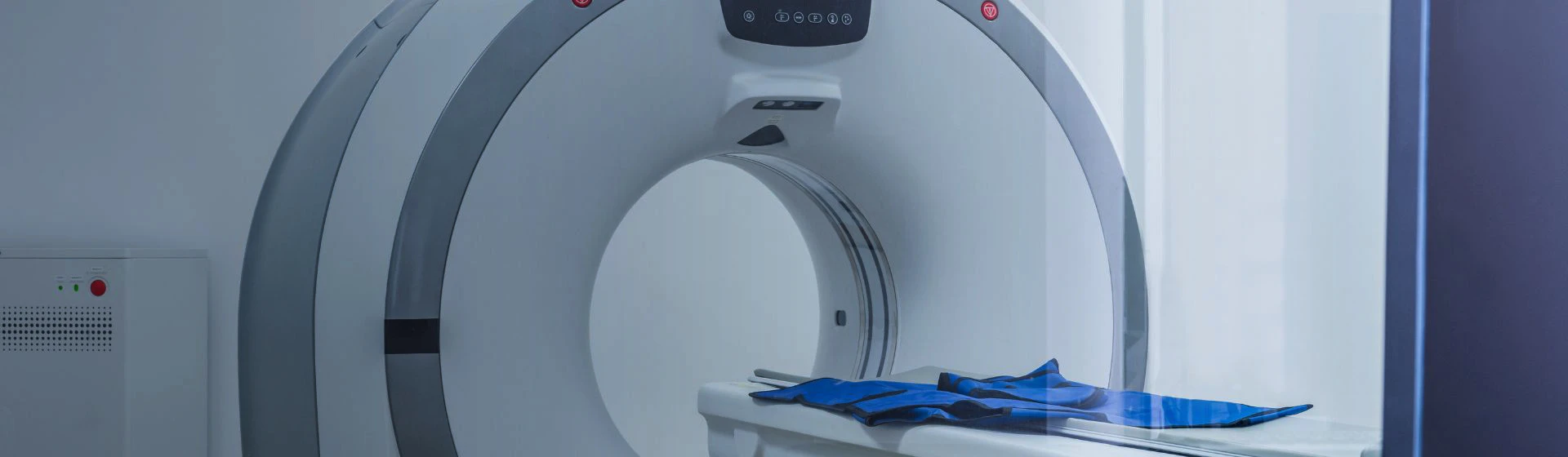
CT scan of the kidneys and adrenal glands
CT of the kidneys and adrenal glands is a modern X-ray examination based on layer-by-layer scanning of the organs, followed by the creation of a highly accurate three-dimensional image of the kidneys, adrenal glands, ureters, blood vessels, and surrounding structures.
At the Oxford Medical clinic in Kyiv, the examination is performed on a 64-slice Siemens Somatom Go.UP scanner, which provides high image clarity with minimal radiation exposure.
You can schedule a CT scan of the kidneys in Kyiv at a convenient time by phone or through the online form on the website.
Indications for CT of the kidneys and adrenal glands
CT of the kidneys and adrenal glands is prescribed in the following cases:
-
Pain in the lower back or side of unknown origin.
-
Suspected urolithiasis.
-
Detection or monitoring of kidney and adrenal tumors.
-
Developmental anomalies, congenital defects of the urinary system.
-
Lumbar trauma, kidney injuries.
-
Increased blood pressure of unclear origin.
-
Suspected hematoma, abscess, or cyst.
-
Adrenal dysfunction, hormonal disorders.
-
Preoperative preparation and postoperative monitoring.
At our medical center, you can also undergo other types of diagnostics, including CT of the abdominal organs, which helps detect a wide range of pathologies of internal organs.
CT of the kidneys without contrast
CT of the kidneys without contrast makes it possible to assess the structure of the renal parenchyma, the calyceal-pelvic system, and detect stones, cysts, or large neoplasms. Its advantage is the absence of risk of allergic reactions to contrast and the possibility of use in patients with chronic kidney failure.
This type of CT is most often used for:
-
Detection of calculi in the urinary system.
-
Assessment of kidney injuries.
-
Visualization of changes in the structure of renal tissue that require further clarification.
CT of the kidneys with contrast: diagnostic advantages
In some cases, a CT scan of the kidneys with contrast is necessary for detailed analysis. Intravenous administration of a contrast agent provides detailed visualization of the vascular system, clear differentiation of neoplasms, and also allows assessment of tissue vascularization, detection of signs of thrombosis or metastatic lesions.
Advantages of the method:
-
Accurate assessment of neoplasms.
-
Visualization of the vessels of the kidneys and adrenal glands.
-
Detection of changes in the cortical and medullary layers of the kidney.
-
Clarification of the diagnosis in hypertension associated with pheochromocytoma.
-
The ability to differentiate tumors from cysts and hematomas.
Preparation for CT of the kidneys and adrenal glands
Preparation for CT of the kidneys without contrast is not required.
Before CT with contrast, it is necessary to:
-
Take a blood test for creatinine to assess kidney function.
-
Refrain from eating for 4–6 hours before the procedure with contrast.
-
Inform the doctor about chronic diseases.
-
If you are taking any medications, inform your doctor before the examination.
How CT with and without contrast is performed
In the procedure room, the patient is asked to remove all metal objects and lie down on the moving table of the scanner.
-
In the case of CT without contrast, scanning begins immediately after positioning the patient.
-
If CT with contrast is prescribed, before scanning the nurse intravenously administers a contrast agent.
During the examination, the patient must remain still. Sometimes they may be asked to hold their breath.
The duration of the procedure is 5 to 15 minutes.
After CT with contrast, it is recommended to drink more fluids to remove the contrast agent from the body.
Interpretation of kidney CT results
The results of CT of the kidneys and adrenal glands are interpreted by a radiologist. The doctor describes the structures of the kidneys, adrenal glands, vessels, the presence of pathological formations, their size, contours, and tissue density.
The final diagnosis is made by the doctor who referred the patient for the examination: a therapist, urologist, or endocrinologist. They analyze the CT results together with the patient’s history, symptoms, and test results, after which they form an individual treatment plan.
CT of the kidneys: price at Oxford Medical
At the Oxford Medical clinic, we strive to combine high-quality diagnostics with affordability for patients. Therefore, prices for kidney CT scans in our center remain competitive.
The cost is affected by several factors: the area of examination, the need for contrast media, and the urgency of the study. If your doctor has prescribed a kidney CT scan with contrast, the price will be slightly higher due to additional consumables and the participation of medical staff in monitoring the administration of the drug.
You can also undergo a standard examination without contrast media — In this case, the price for a computed tomography of the kidneys will be lower, but the doctor should determine the appropriateness of this format depending on the diagnostic tasks.
You can find out in advance the price of a CT scan of the kidneys with or without contrast here, as well as by calling the contact center - consultants will help you navigate the cost, choose a convenient time and tell you about all the nuances of preparing for the examination.
Do not delay with the diagnosis - timely detected pathology gives a better chance of successful treatment.
Q&A
How long does a CT scan of the kidneys take?
Is contrast dangerous for the kidneys?
The contrast agent used in CT is safe in most cases. However, patients with impaired kidney function must undergo a creatinine test before the procedure. This makes it possible to assess risks and decide on the appropriateness of contrast administration. With normal kidney function, complications are rare.
What diseases does CT of the adrenal glands detect?
CT of the adrenal glands makes it possible to detect tumors (adenomas, carcinomas, pheochromocytomas), cysts, calcifications, hematomas, hyperplasia, metastatic lesions. The study is used to assess the size, structure, and density of the adrenal glands, as well as in the differential diagnosis of hormonally active neoplasms.

Our services
CT services of internal organs

CT scan of the chest (lungs, mediastinum, rib cage) (with contrast)
4589.00 ₴
Sign up by the call center
CT of the urinary system with excretory urography (kidneys, adrenal glands, ureters, bladder) (with contrast)
5189.00 ₴
Sign up by the call center
CT scan of the abdominal cavity and pelvis (with contrast)
5789.00 ₴
Sign up by the call center
CT scan for stones (abdominal cavity, retroperitoneal space, pelvis)
2689.00 ₴
Sign up by the call center
CT abdominal cavity, retroperitoneal space, pelvis (with contrast)
5189.00 ₴
Sign up by the call center

Advantages of CT of the kidneys and adrenal glands at the Oxford Medical clinic

Modern equipment. We use a Siemens Somatom Go.UP multi-slice tomograph with low radiation exposure.
Experienced radiologists. Our specialists have many years of diagnostic experience.
Safety: Before administering contrast, we always assess kidney function.
Convenience. The clinic has a convenient location, and appointments can be made online or by phone.
Show more 
Reviews
Коломієць Катя 23.02.2024
Дуже задоволена цією клінікою,робила КТ черевної порожнини і гастроскопію дуже вдячна спеціалістам гарне обслуговування . Дякую ще дівчаткам на інформаційній.

Роман 24.10.2022
Дякую за якісне КТ легенів , результати надійшли вже на наступний день. Дуже ввічливий персонал.
Current information

09 March 2026
What Is the Difference Between CT and MRI: Which Diagnostic Method to Choose
11 June 2025
What is CT?

Sign up via call center
 in the clinic
  online

 Hello!
Let's take care
about your health:
Sign up via call center 
