

 Adults Adults Adults Adults Adults Adults Adults Adults Adults
  Children Children Children Children


 Hotline:
 Adults Adults Adults Adults Adults Adults Adults Adults Adults Children Children Children Children


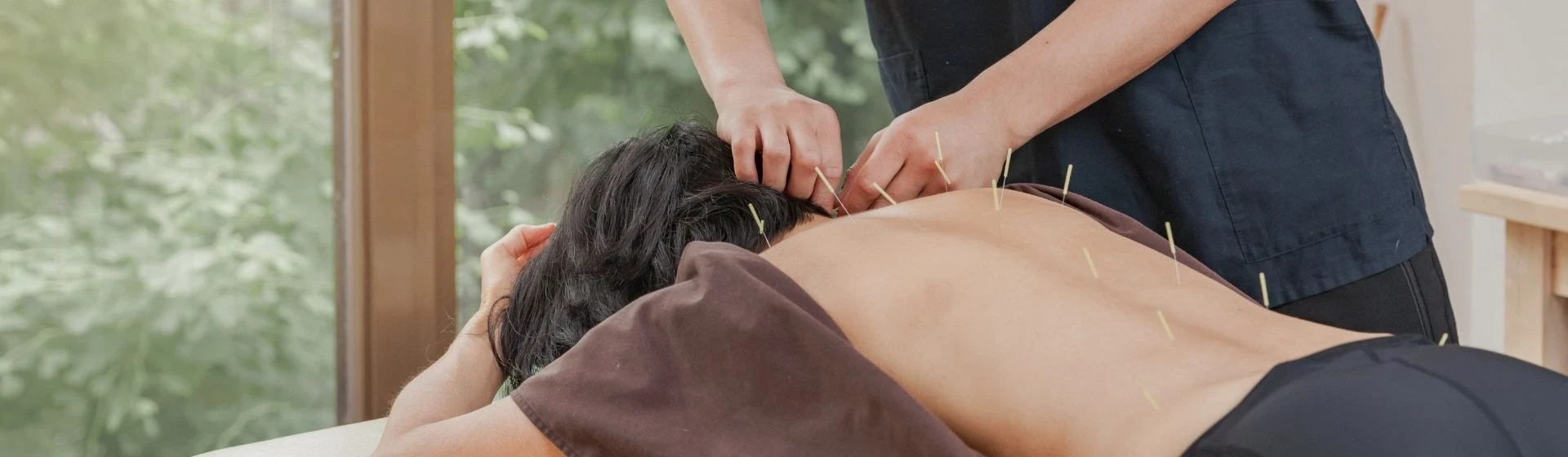
Reflex therapy (acupuncture)
Reflexotherapy (Acupuncture)
Acupuncture is an effective treatment method with a history dating back to ancient times. Modern research has confirmed the efficacy of this method in treating a number of diseases, has clarified and improved the mechanism of its action, and the procedure itself has received a new name — acupuncture reflexotherapy.
Acupuncture: Principle of Action
The effectiveness of the method is based on the stimulation of specific points on the human body using small needles. There are more than 300 such points on the body, but about a hundred are most commonly used.
As a result of the stimulation, a reflex response occurs: blood circulation increases both in the treated area (improving local blood flow) and in other organs through distant effects. In addition, acupuncture causes reflex relaxation of spasmed muscles, which is often used to relieve pain caused by the spasm.
Enhanced blood circulation ensures full nourishment of the cells and tissues that need it. If the patient is undergoing drug therapy at the same time, reflexotherapy enhances the effect of medications. To boost the effect of acupuncture, thermal or electrical stimulation may be added to the treated points.
The procedure is carried out with sterile single-use needles, and the treated area of the body is disinfected both before and after the procedure to eliminate even the slightest possibility of infection.
Reflexotherapy: Indications
Patients are most often referred for acupuncture reflexotherapy with complaints such as:
-
dizziness;
-
headache;
-
numbness of the face or part of it;
-
twitching (hyperkinesis) of facial muscles;
-
pain in the neck, shoulders, arms, back;
-
numbness of fingers and hands;
-
weakness in the limbs (inability to raise an arm, hold even light objects);
-
cramps in hands or feet;
-
chest pain;
-
shortness of breath;
-
rapid heartbeat.
In addition, acupuncture is effective in treating sleep disorders, depressive conditions, memory and attention problems, as well as panic attacks.
Treatment with Acupuncture: For Which Diseases Is It Effective?
In addition to neurological disorders, reflexotherapy is often included in treatment courses for gynecological, urological, and gastroenterological diseases. It may be indicated for menstrual issues in women and potency disorders or premature ejaculation in men. The procedure is also effective for gastrointestinal tract diseases: gastritis, cholecystitis, constipation, and others.
Acupuncture reflexotherapy may be contraindicated in people with purulent skin diseases, exacerbation of mental illnesses, and individual intolerance.
Reflexotherapy: Contraindications
The procedure is not recommended for patients with:
-
acute and chronic infectious diseases;
-
blood clotting disorders;
-
anemia;
-
history of myocardial infarction;
-
tuberculosis;
-
pneumosclerosis and certain other diseases.


Advantages of the neurology department at «Oxford Medical» in Kyiv

Experienced doctors. All neurologists have extensive clinical experience and continually improve their qualifications.
Modern diagnostics. We use precise diagnostic methods to establish diagnoses.
Comprehensive approach. Consultations with related specialists and required examinations are available in the clinic.
Day hospital treatment option. Patients can receive infusions and monitoring on-site if needed.

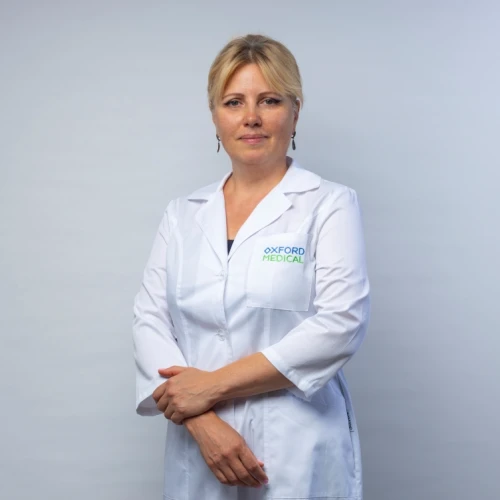
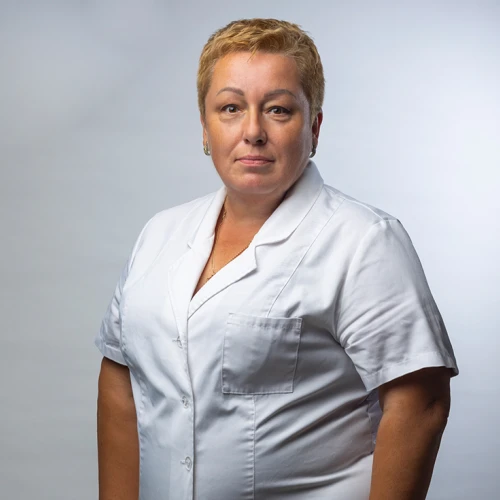
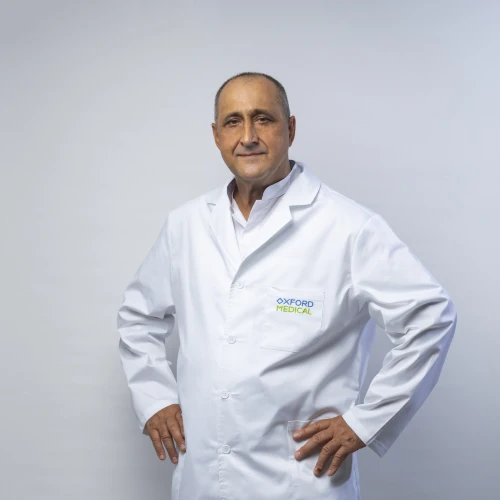
Our doctors
 4.83
4.83  28+
28+ 
 4.88 26+
  4.94 34+
  34+ Years of experience
  Kyiv, Hlybochytska St., 40x
 5 9+ 9+ Years of experience Kyiv, Predslavynska St. 29 Kyiv, Knyaziv Ostrozkyh St., 46/2




 in the clinic
  online

 Hello!
Let's take care
about your health:

