frequent tears (paradoxically, the reaction to dryness often causes excessive tearing)
Using moisturizing drops.

 Adults Adults Adults Adults Adults Adults Adults Adults Adults
  Children Children Children Children


 Hotline:
 Adults Adults Adults Adults Adults Adults Adults Adults Adults Children Children Children Children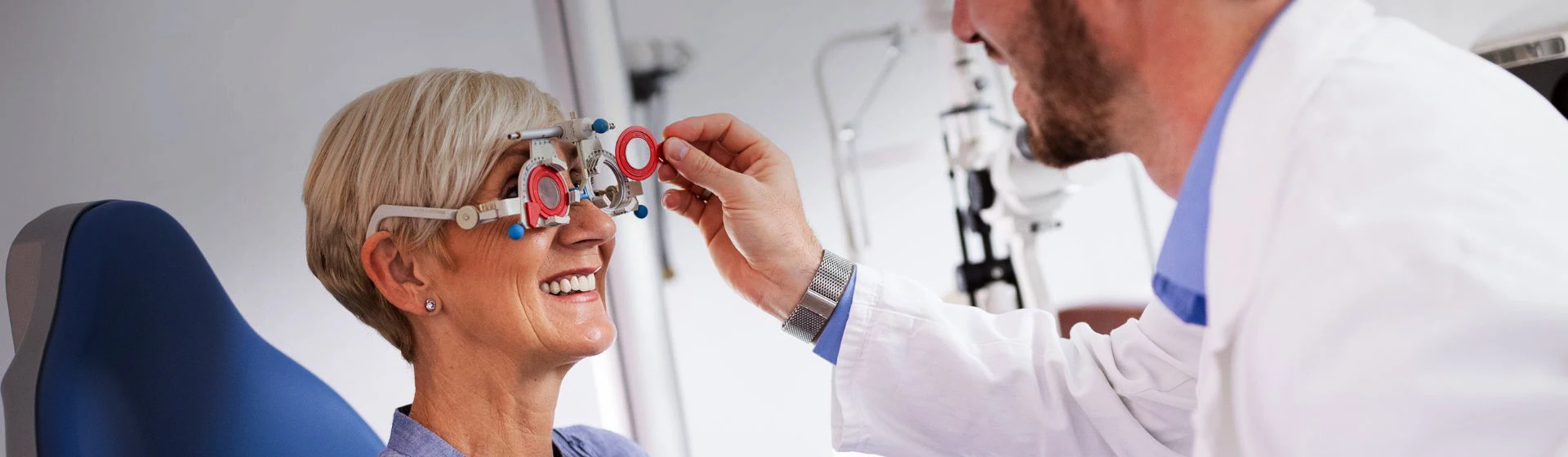
Feeling dry, burning or uncomfortable in the eyes can significantly complicate everyday activities. These symptoms of dry eye interfere with working at a computer, reading or driving a car.
At the Oxford Medical clinic, we offer modern methods of diagnosing and treating dry eye syndrome. One of the simplest and most accurate ways to assess the condition of the tear film is the Schirmer test. Just one visit to an ophthalmologist is enough to determine the presence of dry eye disease and choose effective treatment.
Don't delay, take care of your eyes now - make an appointment to visit an ophthalmologist at Oxford Medical at a time convenient for you!
Dry eye syndrome is a multifactorial disease characterized by impaired tear film stability, inflammation, and damage to the surface of the eye. It occurs due to insufficient tear production or rapid evaporation. The tear film protects and moisturizes the cornea, and is also responsible for clear vision. When its structure is disrupted, the eyes become vulnerable to irritation, inflammation, and even infections.
Dry eye can occur for a variety of reasons:
Dry eye syndrome is not just a temporary discomfort. Without proper treatment, it can lead to complications, including corneal damage.
Symptoms of dry eye syndrome can vary in intensity.
If you notice dry eye symptoms, be sure to consult an ophthalmologist.
Early diagnosis will help prevent complications.
The most common signs include:


frequent tears (paradoxically, the reaction to dryness often causes excessive tearing)
Dry and irritated eyes – feeling like sand is in the eye
eye fatigue even after a short load
decreased vision or blurred vision
burning or itching
eye redness
photophobia

The Schirmer test is a simple and painless diagnostic method used to assess the level of tear production. The procedure takes only a few minutes and allows the doctor to obtain accurate information about the state of eye hydration.
How is the test performed?
The test results allow you to determine whether there is a decrease in tear production and how severe the dry eye syndrome is. This is a basic but very effective tool that helps the ophthalmologist choose the optimal treatment.
Each case is unique, so treatment for dry eye is selected only after a detailed diagnosis. Treatment for dry eye syndrome is based on an individual approach. Ophthalmologists at Oxford Medical Clinic determine the form and degree of the disease and draw up a treatment plan.
The patient may be prescribed:
Using moisturizing drops.
Use of drops that restore the lipid layer of the tear film.
Use of medications to relieve inflammation and improve the quality of the tear film.
A procedure that reduces tear flow by increasing their concentration on the surface of the eye.
Supplementing with eye-healthy nutrients can support tear film health.
To reduce the risk of dry eye syndrome, ophthalmologists recommend:
Following these simple rules will help maintain the health of your eyes for many years.
Timely treatment of dry eye prevents complications such as:
The earlier dry eye treatment is started, the higher the chances of avoiding serious problems.
Ophthalmologists at the Oxford Medical clinic in Kyiv provide a comprehensive approach to the diagnosis and treatment of dry eye syndrome. Ophthalmology is equipped with the latest equipment, which allows the use of advanced techniques.
The cost depends on the treatment method, stage of the disease and other individual characteristics of the patient. You can pre-read the prices in the ophthalmology department here.
Take care of your health with Oxford Medical! Sign up for a consultation with an ophthalmologist to restore comfort to your eyes.


We are often asked:
Symptoms of dry eye include a foreign body sensation, burning, itching, redness, tearing, blurred vision, photophobia, and eye fatigue, especially when working at a computer. These symptoms can impair quality of life, so it is important to see an ophthalmologist for diagnosis and treatment.
Yes, dry eye syndrome is successfully treated with modern methods, including moisturizing drops, anti-inflammatory drugs, stimulation of tear secretion, etc.
The duration of treatment depends on the severity of the disease. In mild cases, relief comes quickly, but it may take several weeks or even months to achieve a stable result.
The treatment method is selected individually by the doctor after diagnosis. Treatment may include the use of moisturizing drops, anti-inflammatory drugs, special procedures, etc.
To eliminate dry eye syndrome, it is important to consult an ophthalmologist. The doctor will prescribe treatment, taking into account the causes of the disease, and will provide recommendations on lifestyle: regular breaks while working at the computer, humidification of the air and protection of the eyes from irritants.


Modern equipment: using advanced technologies for accurate diagnosis and effective treatment.
Experienced specialists: qualified ophthalmologists who apply an individual approach to each patient.
Comfortable conditions: convenient location of clinics on the right and left banks of Kyiv and a cozy atmosphere.

 4.95
4.95  23+
23+  23+ Years of experience
 4.86 30+ 30+ Years of experience
  4.93 49+ 49+ Years of experience
  m. Irpin vul. University, 2/1, building 3



 in the clinic
  online
  Hello!