


absence of appetite (refusal from food)
Sign up via call center 
 Adults Adults Adults Adults Adults Adults Adults Adults Adults
  Children Children Children Children
Department
Adults Outpatient department
Adults Outpatient department
Inpatient department
Adults Inpatient department
Aesthetic medicine
Adults Aesthetic medicine
Dentistry
Adults Dentistry
Plastic surgery
Adults Plastic surgery
Diagnostics
Adults Diagnostics
Analyzes
Adults Analyzes
Outbound services
Adults Outbound services
Children Outpatient department
Children Outpatient department
Dentistry
Children Dentistry
Diagnostics
Children Diagnostics

Kyiv


 Hotline:
 Request a call:


Department
Adults Outpatient department
Adults Outpatient department
Inpatient department
Adults Inpatient department
Aesthetic medicine
Adults Aesthetic medicine
Dentistry
Adults Dentistry
Plastic surgery
Adults Plastic surgery
Diagnostics
Adults Diagnostics
Analyzes
Adults Analyzes
Outbound services
Adults Outbound services
Children Outpatient department
Children Outpatient department
Dentistry
Children Dentistry
Diagnostics
Children Diagnostics
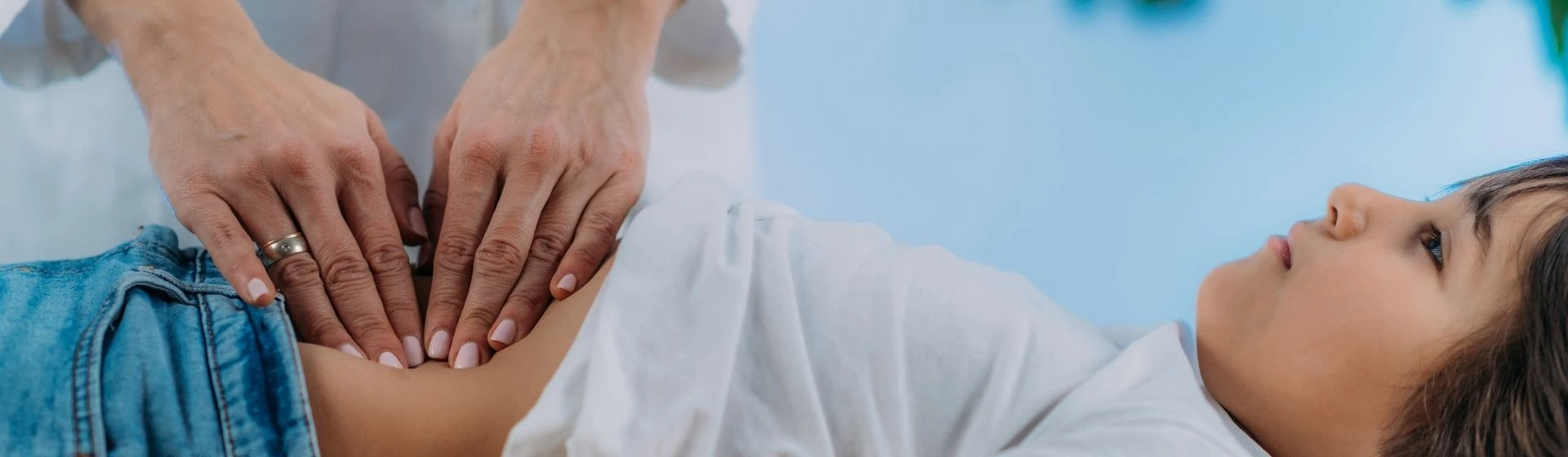
Treatment of children's digestive disorders
Treatment of children's digestive disorders
The digestion and uptake of the food is the complex process, which does not end during the whole way of food throughout the digestive system: from oral cavity to intestine. The disturbance of this process causes the tangible discomfort; it is called the digestive disorders or dyspepsia.

Digestive disorders – what is it?
The dyspeptic disorders, or in simple words, the digestive disorders in children is one of the most widespread problems, which manifest themselves from the first days of life. The pediatricians and pediatric gastroenterologists administer treatment of these disorders.
If the dyspeptic disorders are detected in children, it is important to take into account that they can complain not about all symptoms. The parents can notice the constipation, diarrhea, vomiting and abdominal distention, but only the child can say about the stomachache, heartburn or nausea when he is 6 or older. In small babies, the parents have to guess it by indirect signs; here the pediatrician comes to their aid.
Common digestive disorders in children
The most widespread dyspeptic disorders are:


stomachache, colic
distention and tympanites
nausea and vomiting
constipation
heartburn
loose stool

Causes and symptoms of digestive disorders in children
The main causes of appearance of dyspepsia is the malnutrition and insufficient release of digestive enzymes. Meanwhile, the dyspepsia can be accompanied by the diseases of the gastrointestinal tract: gastritis, enterocolitis, enteritis, irritable bowel syndrome.
The hurried meal, problems with teeth, causing its insufficient mastication, and insufficient release of the gastric juice cause the appearance of fermentative dyspepsia. The diet, rich with carbohydrates and vegetable fiber, consumption of fermented products and fizzy drinks contribute to its appearance. The fermentative dyspepsia manifests itself through the abdominal distension, rumbling, the child’s stool may become more frequent, frothy, resembling the gruel.
The insufficient concentration of hydrochloric acid in the stomach can cause the putrefactive dyspepsia, accompanied by the processes of fermentation and putrefaction in the intestine. It can also be caused by the poisoning with stale protein products. With the putrefactive dyspepsia, the loss of appetite is observed, the child may complain about the nausea and distention.
The functional dyspepsia, manifesting itself through the pain and discomfort after eating, too fast satiation and feeling of heaviness, is caused by the neurosis, stresses and psychological traumas.
The abuse of fatty food or problems with the bile flow to the gastrointestinal tract can cause the development of fat dyspepsia. If the child has it, it may cause the diarrhea, general weakness or sluggishness, abdominal distention.
Diagnosis and treatment of dyspepsia in children
If you have regularly recurrent symptoms of dyspeptic disorders, you need to necessarily consult the pediatrician. This specialist will examine the child, study his medical record, interview parents about eating habits of the child. If necessary, the doctor will order additional examinations: ultrasound examination, laboratory tests, or endoscopic examination (gastroscopy, colonoscopy).
The cause of digestive disorder will be detected and the treatment will be prescribed based on the examination and tests. If it is necessary, for eliminating the cause of dyspepsia, the doctor may send the child to the consultation with the subject specialist (for example, pediatric neurologist in case of functional dyspepsia).

Our services
Consultations

Consultation with a pediatric gastroenterologist
1100.00 ₴
Add Added 
Pediatrician consultation
1100.00 ₴
Add Added

Advantages of pediatrics at Oxford Medical

Highly qualified doctors of various specialties
Possibility of calling a doctor to your home
New equipment for ultrasound, digital X-ray, CT, tests and endoscopic examinations
Vaccines for routine vaccinations from leading manufacturers
Physiotherapy: massage, nebulizer, salt room.
Full range of pediatric dental services.
Show more 
Our doctors
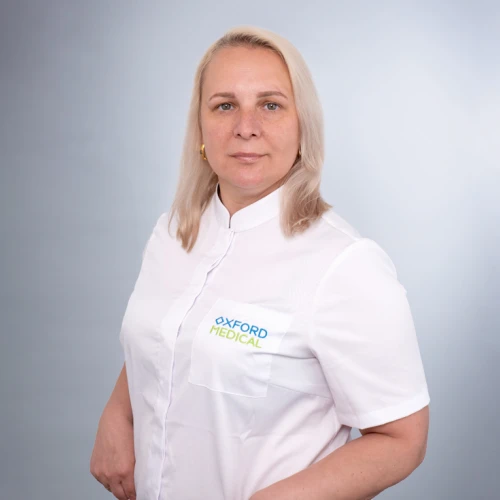
 4.83
4.83  20+
20+ 
Pediatrician, pediatric immunologist
 20+ Years of experience
 Consultation 1100
 Kyiv, Vasyl Lypkivskoho St., 38 m. Kyiv, Parkovo-Syretska St., 7A
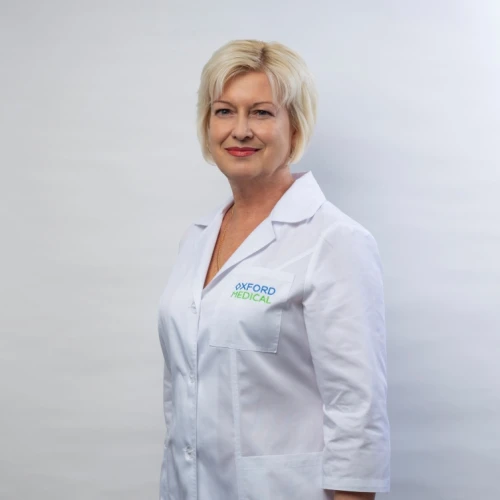 4.95 35+
 Pediatrician of the highest category
35+ Years of experience Consultation 1100
Kyiv, Mykhayla Hryshka St., 1 Kyiv, Sribnokilska St. 20 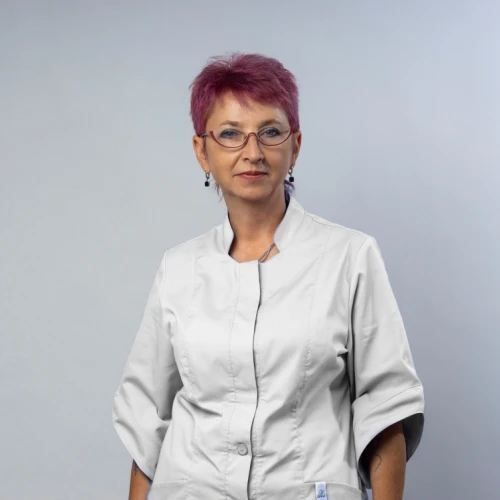 4.89 30+
 Pediatrician of the highest category
30+ Years of experience Consultation 1100
Kyiv, Vasyl Lypkivskoho St., 38 Kyiv, Predslavynska St. 29  4.92 51+
 Pediatrician
51+ Years of experience Consultation 1100
Kyiv, 9 Ivana Kramskoho Street m. Irpin vul. University, 2/1, building 3 Reviews
Марія 14.01.2026
Юлія Іванівна дуже уважно поставилася до дитини, пояснила кожен крок огляду і спокійно відповідала на всі мої запитання. Розповіла, як правильно організувати харчування та режим, щоб покращити самопочуття. Приємно, що лікар не призначає зайвого та завжди пояснює, чому саме таке рішення обрано.

Ірина 22.12.2025
Хочу подякувати лікарці Небувайло Ганні Петрівні за уважне ставлення до дитини. На прийомі все було спокійно й доброзичливо, лікарка детально розпитала, оглянула дитину та зрозуміло пояснила, що відбувається і як правильно лікуватися. Дуже приємно мати такого педіатра, якому можна довіряти здоров’я дитини!
Current information

17 March 2026
What is ASD in children: how to detect autism in a child

10 March 2026
Puberty: what you need to know about sexual maturation in girls and boys
05 June 2025
Children’s Check-Up: Avoid Overdiagnosis and Polypharmacy
24 January 2025
Patronage of newborns: caring for the baby from the first days of life
Sign up
 in the clinic
  online

 Hello!
Let's take care
about your health:
Sign up via call center 
