


birth weight less than 2500 g (relevant only for newborns);
based on weakened pathogens;

 Adults Adults Adults Adults Adults Adults Adults Adults Adults
  Children Children Children Children


 Hotline:
 Adults Adults Adults Adults Adults Adults Adults Adults Adults Children Children Children Children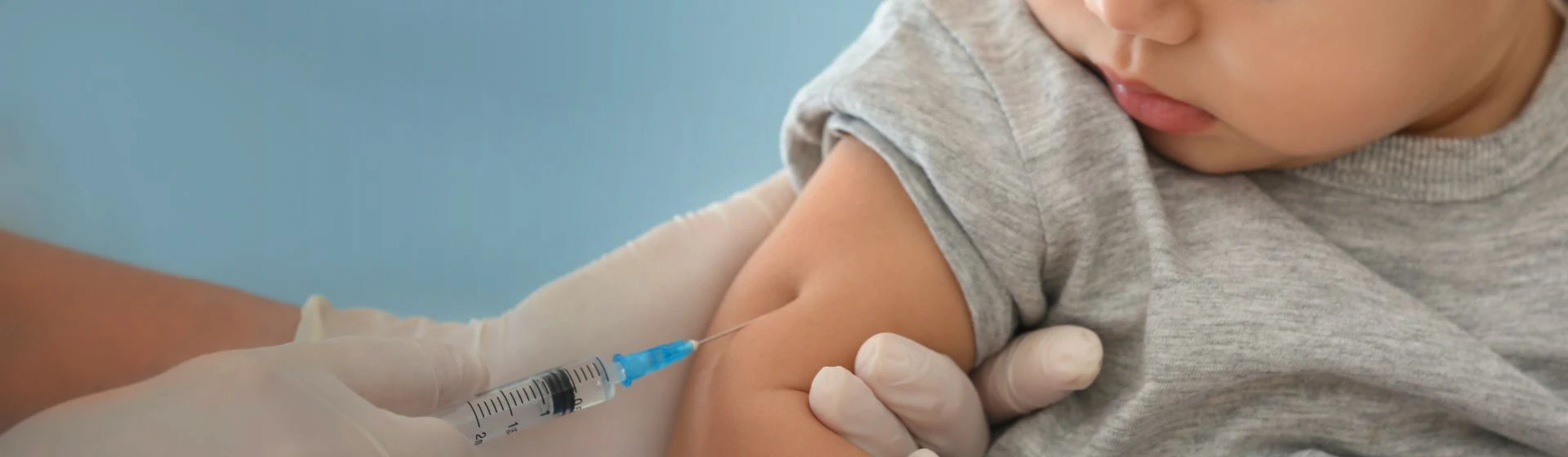
Vaccination is the most effective method of protecting children and adults from the most common infections that cause serious complications. It helps to build immunity and the body's resistance to pathogens. As a result, infection does not occur or the disease is very mild. Vaccination reduces the risk of infection by more than 90%.
According to the legislation of Ukraine, vaccination against certain diseases is mandatory and must be carried out in accordance with the national vaccination schedule. The first of them are given to children in the maternity hospital, and the next most important ones are given over several years.
Newborn children retain passive immunity received from their mother for some time. But soon it weakens, and the child becomes more susceptible to various diseases. Since the body is still quite weak, they can occur in a severe form. Some of the most dangerous are infectious diseases such as measles, rubella, and poliomyelitis. They can cause complications leading to disability. Vaccination allows you to protect a child from danger, which is why it is now carried out in most countries.
In Ukraine, vaccination against the following is mandatory:
measles;
rubella;
pertussis;
tuberculosis;
hepatitis B;
Haemophilus influenzae infection;
diphtheria;
tetanus;
poliomyelitis;
mumps.
Today, the following types of vaccines are used:
based on weakened pathogens;
based on non-living bacteria or viruses;
based on weakened toxins produced by some infectious agents;
based on small elements of bacteria and viruses;
based on components of pneumococcus bacteria (used only against this group of infections).
At Oxford Medical, children are vaccinated against:
influenza;
hepatitis A;
hepatitis B;
measles, mumps, rubella;
diphtheria, tetanus, pertussis;
viral gastroenteritis;
papillomavirus;
meningococcus;
pneumococcus;
Haemophilus influenzae infection.
Vaccination against the listed diseases in Ukraine is mandatory. Most vaccinations must be given to children before entering kindergarten and school. This is necessary to protect the child from disease and to prevent the development of an epidemic.
Vaccination can be skipped only in one case – if the child has contraindications. There are very few of them. It has been proven that the formation of immunity is necessary, including for children with chronic diseases. When using high-quality drugs, the risk of complications is extremely low, while infection can cause irreversible changes in the body.
In Ukraine, there is a national vaccination schedule, and all vaccinations for children must be carried out according to it. But in some cases, a pediatrician can develop an individual schedule (for example, if the child missed some vaccinations).
State vaccination schedule:
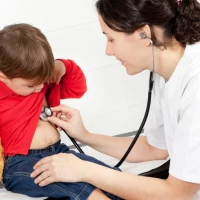
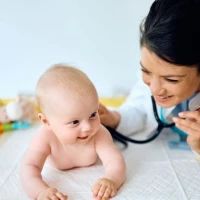
Immediately before vaccination, the child should be examined by a pediatrician to ensure the absence of symptoms of acute illnesses and exacerbation of chronic ones. If the child feels well, the vaccination is given immediately. Otherwise, it is postponed until the condition normalizes.
There are no other preparation requirements now, but at the request of parents, general urine and blood tests may be done.
Vaccines contain components that cannot cause the development of disease. At the same time, the immune process is triggered in the body and resistance to the pathogen is formed. This may be accompanied by some symptoms. Normal reactions include:
redness of the skin at the injection site (if the drug was injected);
slight pain and swelling at the injection site;
the appearance of a mild rash on certain areas of the body;
general weakness;
slight fever for 2–3 days.
If other symptoms develop or the child’s condition significantly worsens, they should be taken to a pediatrician for a follow-up consultation.
After vaccination, it is recommended to stay in the clinic or nearby for 30–60 minutes. After this, you can return home, walk with the child, and spend time as usual.
For several days (up to 12 if a “live” vaccine was used), it is necessary to monitor the child’s well-being, body temperature, and skin reaction at the injection site. If malaise occurs, contact the pediatrician for recommendations. Do not give the child medications on your own to reduce fever or relieve other symptoms, as many drugs are contraindicated at an early age and may cause complications.
In addition, after vaccination, the pediatrician may give individual recommendations.
Contraindications to different vaccinations vary.
They should be clarified in advance with a pediatrician if the
child has health problems. Most contraindications are temporary,
and vaccinations are given after the child's health improves.
The main contraindications are:


birth weight less than 2500 g (relevant only for newborns);
development of complications after previous vaccination
acute diseases;
severe neurological disorders
immunodeficiency
malignant neoplasms
exacerbation of chronic diseases
allergy to drug components

At Oxford Medical, child vaccination is carried out in accordance with state protocols. Before vaccination, the child is examined by a pediatrician, who rules out colds and other diseases, as well as exacerbations of chronic conditions. Ideally, the child should not have been ill for at least 2 weeks prior.
The specialist then selects the necessary vaccine and opens it in the presence of the parents. This ensures the integrity of the packaging and the proper storage of the drug. It is then administered by injection or given to the child orally.
After vaccination, patients are advised to stay in the clinic for 30–60 minutes. These are precautionary measures in case of a severe allergic reaction or other acute complications.


use of high-quality certified vaccines from European manufacturers;
pediatrician examination before vaccination;
possibility of consultations with other pediatric specialists;
development of an individual vaccination schedule if necessary;
vaccination of children with chronic diseases during remission in compliance with all rules;
loyalty system for regular patients.


 4.83
4.83  20+
20+ 
 20+ Years of experience
  Kyiv, Vasyl Lypkivskoho St., 38 m. Kyiv, Parkovo-Syretska St., 7A
 4.88 16+ 16+ Years of experience
  5 14+ 14+ Years of experience Kyiv, Oleksandra Olesia St., 2
  0 28+ 28+ Years of experience m. Kyiv, Parkovo-Syretska St., 7A


 in the clinic
  online
  Hello!


