Doctors of «Oxford Medical» warn: thrombosis of the lower limbs is dangerous because clots can detach and move through the circulatory system, creating a risk of blockage of important vessels. If a thrombus enters the pulmonary artery or its branches, pulmonary artery thromboembolism (PATE) develops. This is an emergency condition that may pose a threat to life.
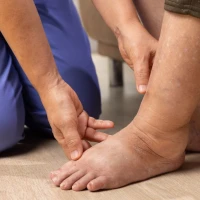
Complete or partial blockage of the veins in the leg can also lead to impaired blood outflow, increasing swelling, pain and skin changes. In the absence of adequate treatment, the risk of chronic venous insufficiency and post-thrombotic syndrome increases. These conditions may be accompanied by prolonged discomfort, heaviness in the legs, persistent swelling, change in skin color and the appearance of trophic ulcers.
Less often, the disease may lead to venous gangrene of the limb or infection of the thrombus. Such complications occur infrequently, but require emergency medical care.
The pathology may also recur. Such probability is higher in patients whose risk factors are permanent, for example in malignant tumors or persistent blood coagulation disorders. In patients whose provoking factors are temporary in nature — trauma, surgery, temporary limitation of motor activity, — the risk of a repeated episode is usually lower, but still requires a doctor’s assessment.