Contents:
- What causes swelling under the eyes
- Allergic swelling under the eyes
- Swelling under the eyes after Botox
- Swelling under the eyes after sleep
- Swelling under the eyes as a result of disease
- How to get rid of swelling under the eyes
- How to reduce swelling under the eyes at home
- How to quickly remove swelling under the eyes
- When to see a doctor
Swelling under the eyes is a common problem that can appear even in people without health complaints. Outwardly, it looks like a cosmetic defect, but the causes of this condition can be different — from overwork to diseases of the internal organs.
In this article, we will look at why swelling under the eyes appears, in which cases it is a variant of the norm, and when it is worth paying attention to your health, as well as which methods help to eliminate it effectively.
What causes swelling under the eyes
Swelling under the eyes occurs due to the accumulation of fluid in the tissues of the periorbital area. This area has thin skin, a well-developed vascular network, and poorly expressed subcutaneous fat, so even slight fluid retention quickly becomes noticeable.
The causes can be both physiological and related to certain disorders in the body. Most often, swelling occurs because of:
- sleep disturbances or overwork;
- fluid retention due to diet (excess salt, alcohol);
- hormonal fluctuations;
- allergic reactions;
- features of lymphatic drainage;
- diseases of the internal organs.
In most cases, swelling under one eye is temporary, however, regular or pronounced puffiness requires a more detailed analysis of the causes.
At the same time, it is worth considering that swelling under the eyes in men may have its own features. It is often associated with overwork, sleep disturbances, stress, or chronic diseases that remain undiagnosed for a long time. Because of this, eyelid puffiness may be more pronounced or persist longer. If it occurs constantly, it is worth consulting a doctor.
Allergic swelling under the eyes
Allergic swelling develops as a result of the immune system’s reaction to contact with an irritant. These may be both external factors (pollen, dust, cosmetics) and internal ones — for example, food allergens or medications.
The following are characteristic of this condition:
- rapid onset after contact with the allergen;
- itching in the eye area;
- redness of the skin and mucous membranes;
- tearing and a feeling of irritation.
In such cases, red swelling under the eyes is often observed, which is combined with other manifestations of allergy. It is important to understand that eliminating only the external symptoms does not solve the problem. For accurate diagnosis and selection of therapy, a doctor’s consultation is necessary — an allergist will identify the trigger and help prevent repeated reactions.
Swelling under the eyes after Botox
Puffiness after botulinum toxin injections may occur as a tissue reaction to the intervention. This is not always a complication, but more often a temporary response of the body.
Main mechanisms of development:
- local tissue trauma during the injection;
- temporary impairment of lymphatic drainage;
- change in muscle tone in the periorbital area;
- individual tendency to fluid retention.
In most cases, puffiness is moderate and decreases within a few days. It is important to follow the recommendations after the procedure, since violating them may intensify the manifestations. If the swelling persists longer or becomes pronounced, it is worth going for a cosmetologist consultation for assessment of the condition and correction of care.
Swelling under the eyes after sleep
Morning puffiness is usually associated with physiological fluid retention during night rest. In a horizontal position, fluid is redistributed in the body, which may lead to its accumulation in the facial area.
The most common factors:
- eating salty or heavy food before sleep;
- short or excessively long sleep;
- sleeping without a pillow;
- individual features of fluid metabolism.
Such swelling is usually mild, symmetrical, and decreases on its own during the first half of the day. If it becomes regular or more pronounced, it is worth paying attention to sleep routine, diet, and overall water balance.
Swelling under the eyes as a result of disease
Swelling under the eyes is not always only an aesthetic problem. In some cases, it may be one of the first symptoms of diseases that require diagnosis and treatment.
It is especially important not to ignore situations when the swelling:
- appears regularly and does not disappear during the day;
- becomes more pronounced over time;
- is accompanied by other symptoms — weakness, shortness of breath, changes in blood pressure, dry skin, or weight gain;
- is combined with swelling of the face, arms, or legs;
- occurs without obvious causes, even with a normal sleep and eating routine.
Most often, eyelid puffiness may be associated with the following conditions:
- kidney diseases (glomerulonephritis, nephrotic syndrome, chronic kidney failure);
- cardiovascular diseases (heart failure, circulatory disorders);
- endocrine disorders (hypothyroidism, disorders of adrenal gland function);
- allergic reactions of various origins;
- liver diseases accompanied by protein metabolism disorders;
- chronic inflammatory processes in the body.
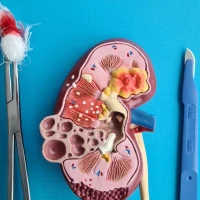
For example, with kidney pathology, severe swelling under the eyes often appears specifically in the morning and may be combined with changes in urination. In such cases, comprehensive kidney treatment is necessary, aimed not only at eliminating the symptoms but also at restoring organ function.
Timely consultation with a doctor makes it possible to determine the cause of the swelling, choose effective treatment, and prevent the development of complications. One should not focus only on the external effect — it is important to understand that sometimes systemic changes in the body stand behind it.
How to get rid of swelling under the eyes
Specialists at «Oxford Medical» note that swelling under the eyes may have a different nature, so there is no universal way to eliminate it. It is important not only to reduce the external manifestations but also to affect the cause of their appearance. In mild cases, it is enough to change lifestyle and skin care, but with regular or pronounced puffiness, it is necessary to rule out possible disorders in the body.
The approach to solving the problem should be comprehensive: correction of daily routine, diet, and skin care, and, if necessary, consultation with a specialist and treatment.
How to reduce swelling under the eyes at home
.jpg)
If swelling occurs episodically and is not associated with diseases, in most cases it can be reduced independently.
Effective methods:
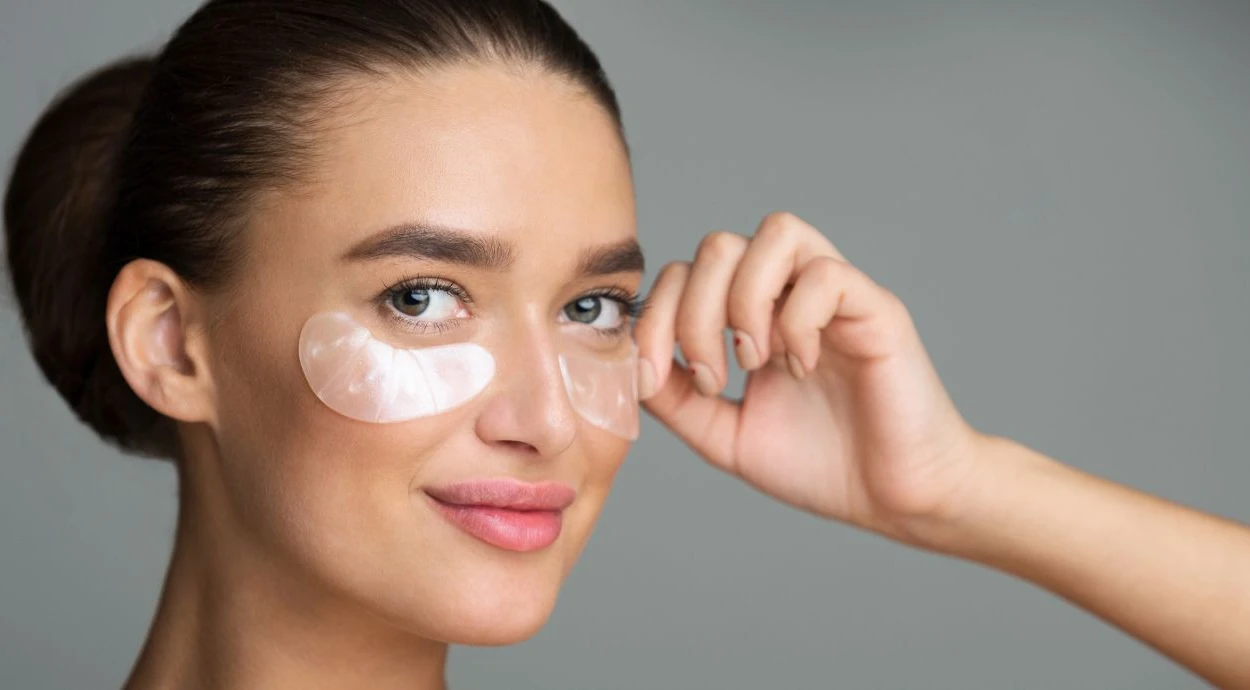
- Cold procedures. Chilled patches or cold compresses should be applied for 5–10 minutes — this helps narrow the blood vessels and reduce puffiness.
- Light lymphatic drainage massage. Gentle movements from the inner corner of the eye to the temple improve fluid outflow; the main thing is not to press on the skin.
- Correct position during sleep. The head should be slightly elevated to prevent fluid accumulation.
- Diet correction. Evening consumption of salty food, alcohol, and large amounts of liquid may intensify puffiness.
- Adequate drinking regimen throughout the day. Regular water intake maintains normal water-salt balance and reduces the risk of fluid retention.
Such measures work in cases of functional swelling. If it appears regularly even when the recommendations are followed, the cause should be sought more deeply.
How to quickly remove swelling under the eyes
When it is necessary to quickly reduce puffiness under the eyes, it is important to act consistently and not overload the skin. The best effect is achieved by combining several simple methods.
What can be done:
- Apply cold for 5–10 minutes. This may be a chilled spoon, patches, or a compress. Cold constricts blood vessels and quickly reduces puffiness.
- Wash your face with cool water. This helps activate blood circulation and slightly reduce puffiness.
- Use a product for the area around the eyes with caffeine or a drainage effect. Apply it with light movements without pressing.
- Do a light massage. Move from the inner corner of the eye to the temple without stretching the skin — this improves fluid outflow.
- If possible, lie down with your head raised higher than your torso (even 10–15 minutes in a semi-reclining position is enough). This helps reduce fluid stagnation.
- Avoid applying heavy makeup to the area of puffiness — this may emphasize the problem.
It is important to understand that these methods work quickly but temporarily. If puffiness appears regularly, it is better not to limit yourself only to home methods, but to seek a doctor’s consultation.
When to see a doctor
Not all swelling is harmless. In some cases, it may be a manifestation of disorders that require diagnosis and treatment.
You should see a doctor if:
- eyelid puffiness appears regularly without an obvious cause;
- it persists throughout the day or intensifies;
- it is accompanied by pain, redness, or itching;
- it is combined with other symptoms (fatigue, changes in blood pressure, swelling in other areas);
- it appeared suddenly and has a pronounced nature.
In such cases, examination by a therapist, endocrinologist, or other specialists may be needed — depending on the clinical situation. Timely diagnosis makes it possible to determine the cause and choose effective treatment, rather than only temporarily eliminating the external manifestations.
The information in this article is provided for ознакомления and is not a guide to self-diagnosis or self-treatment. If symptoms of disease appear, you should consult a doctor.
Sources:
US National Library of Medicine — MedlinePlus
National Institute of Diabetes and Digestive and Kidney Diseases