Contents:
- Why Hemoglobin Is Low
- Low Hemoglobin in Women
- Low Hemoglobin in Men
- Low Hemoglobin in a Child
- Low Hemoglobin in Pregnant Women
- How to Understand That Hemoglobin Is Low
- What Are the Symptoms of Low Hemoglobin
- What Low Hemoglobin Indicates
- Possible Consequences of Low Hemoglobin
- How to Raise Hemoglobin at Home
- Which Foods Raise Hemoglobin
- What to Eat to Raise Hemoglobin
- What Not to Eat with Low Hemoglobin
- Diagnosis and Treatment of Low Hemoglobin
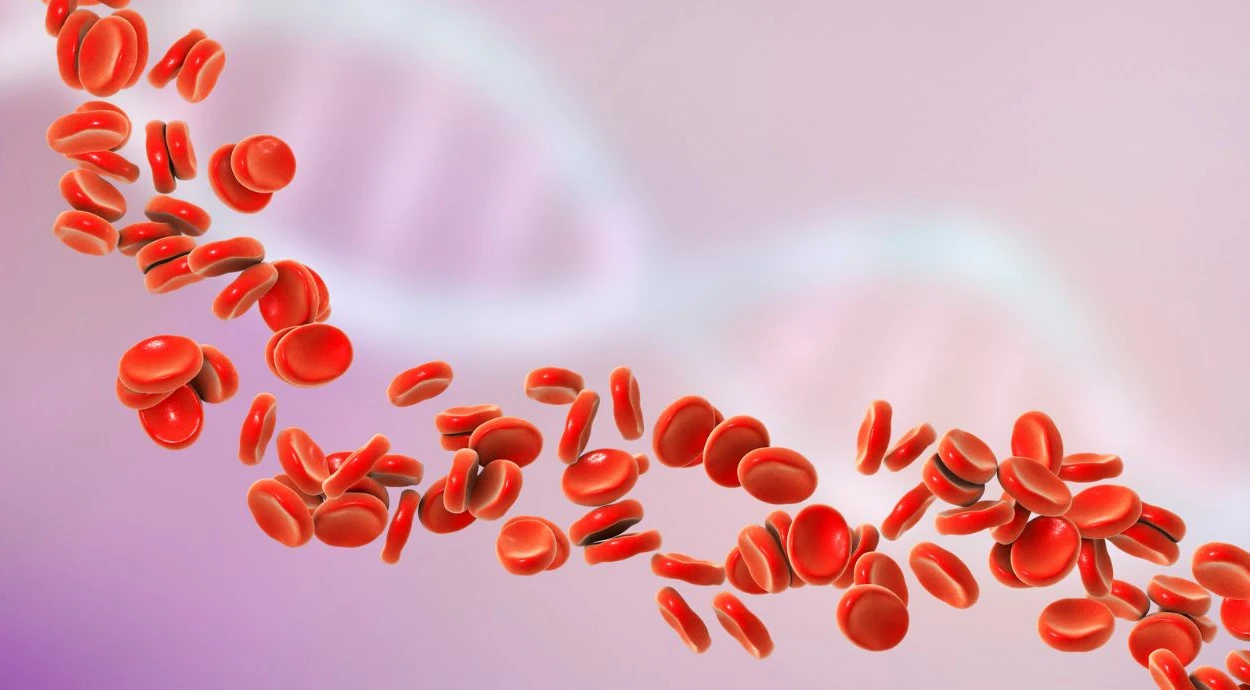
Low hemoglobin means that the amount of the protein in the blood that carries oxygen from the lungs to the tissues is reduced. For adults, values below 120 g/L in women and below 130 g/L in men are usually considered a reference point, while in children normal values vary depending on age.
Hemoglobin is part of red blood cells and helps supply cells with oxygen. When its level decreases, a person may become tired quickly and experience weakness, shortness of breath, headache, dizziness, or a rapid heartbeat. Pale skin, reduced performance, drowsiness, and impaired concentration are also possible.
In this article, we will explain why hemoglobin decreases, what the causes may be in women, men, children, and pregnant women, as well as how to raise hemoglobin safely. We will separately explain which foods can support blood formation, when an examination is needed, and why iron supplements should not be taken independently without consulting a doctor.
Why Hemoglobin Is Low
According to World Health Organization, hemoglobin most often decreases due to iron deficiency in the body, blood loss, or impaired red blood cell production.
The most common causes of low hemoglobin are:
- insufficient iron intake from food;
- chronic or acute blood loss;
- impaired absorption of iron, vitamin B12, or folic acid;
- diseases of the stomach and intestines;
- chronic inflammatory processes;
- diseases of the kidneys, liver, or hematopoietic system;
- increased iron requirements during pregnancy, active growth, or recovery after blood loss.
Doctors at Oxford Medical recommend not starting iron supplements solely on the basis of a reduced hemoglobin level. It is important to first determine the cause of the changes and then select the appropriate treatment.
Low Hemoglobin in Women
In women, hemoglobin often decreases due to regular menstrual blood loss. This is especially typical of heavy or prolonged menstruation, when the body loses more iron than it receives from food. In such a situation, ferritin stores may first become depleted, and then hemoglobin also decreases.
Other causes may include:
- bleeding between menstrual periods;
- uterine fibroids;
- endometrial polyps;
- endometriosis;
- blood clotting disorders;
- blood loss during childbirth or surgery;
- strict diets or restriction of animal-based foods.
If menstruation has become significantly heavier, bloody discharge has appeared outside the menstrual cycle, or weakness is increasing, it is important to consult a doctor. In some cases, the cause of decreased levels may be uterine bleeding, which requires appropriate treatment.
Low Hemoglobin in Men
In men, a decrease in hemoglobin requires a particularly careful search for the cause because there is no regular physiological blood loss.
Possible causes include:
- peptic ulcer disease;
- erosive gastritis;
- intestinal polyps;
- hemorrhoids with bleeding;
- inflammatory bowel diseases;
- gastrointestinal tumors;
- chronic kidney disease.
Small but prolonged blood losses may not have obvious external manifestations, so sometimes the first changes are detected during a complete blood count.
Doctors at Oxford Medical recommend that men should not attribute reduced hemoglobin solely to dietary habits. If the level remains low or there is also sudden weight loss, abdominal pain, changes in bowel movements, or blood in the stool, additional examination is necessary.
Low Hemoglobin in a Child
In children, the level may decrease due to rapid growth, insufficient iron intake from food, impaired absorption, or an increased need for this micronutrient. Infants, young children, and adolescents during periods of active growth are particularly vulnerable.
In young children, the causes may include low birth weight, an unbalanced complementary diet, or insufficient consumption of iron-rich foods. In adolescents, rapid growth, irregular nutrition, intense physical activity, and, in girls in particular, the onset of menstruation are important factors.
Low Hemoglobin in Pregnant Women
During pregnancy, the need for iron increases because the volume of circulating blood rises, the placenta forms, and the fetus develops. As a result, hemoglobin levels may decrease even in women who had normal values before pregnancy.
The most common cause is iron deficiency, but folic acid or vitamin B12 deficiency, impaired absorption, and concomitant diseases may also be important.
A decrease in hemoglobin during pregnancy may manifest as weakness, shortness of breath during physical activity, rapid heartbeat, pallor, drowsiness, and reduced endurance.
Treatment strategy should be determined by a therapist for pregnant women. It depends on the hemoglobin level, ferritin level, stage of pregnancy, and the cause of the deficiency. Iron supplements should not be selected independently because an excessive dose may cause side effects, while an insufficient dose may not provide the necessary result.
How to Understand That Hemoglobin Is Low
.jpg)
A decrease in hemoglobin can be suspected based on changes in well-being, but it can only be confirmed by the results of a complete blood count. The severity of the manifestations depends not only on the level itself but also on how quickly it decreased: with gradual changes, the body adapts for some time, so symptoms may remain subtle.
What Are the Symptoms of Low Hemoglobin
Insufficient oxygen delivery to the tissues primarily affects endurance and overall well-being. If hemoglobin is low, a person may notice that usual physical activities are more difficult to tolerate, fatigue appears more quickly, and more time is needed for recovery.
The most characteristic manifestations include:
- weakness and rapid fatigue;
- shortness of breath while walking, climbing stairs, or during other physical activity;
- rapid heartbeat;
- headache;
- dizziness;
- pale skin and mucous membranes;
- drowsiness, reduced performance, and impaired concentration;
- cold hands and feet.
With a significant or rapid decrease in the level, severe shortness of breath, darkening of vision, a near-fainting state, chest pain, or discomfort may occur. Such symptoms require timely medical attention.
What Low Hemoglobin Indicates
The hemoglobin level itself does not show why the changes have occurred. To clarify the cause, the doctor evaluates other parameters of the complete blood count and, if indicated, orders additional tests.
Important information is provided by the size of red blood cells and their hemoglobin content. For example:
- a decreased mean corpuscular volume (MCV) is more commonly seen with iron deficiency or certain inherited disorders of blood formation;
- a normal MCV is possible with blood loss, chronic inflammatory diseases, or kidney disorders;
- an increased MCV may be associated with vitamin B12 or folic acid deficiency, as well as certain other diseases.
Therefore, further diagnosis may require tests for ferritin, serum iron, and other parameters. The doctor determines their list depending on the results of the complete blood count, symptoms, and the presence of concomitant diseases.
Doctors at Oxford Medical recommend not trying to raise hemoglobin before determining the cause of its decrease. For example, iron supplements help with iron deficiency but do not eliminate the problem if the changes are associated with vitamin B12 deficiency, a chronic disease, or impaired blood formation.
Possible Consequences of Low Hemoglobin
A prolonged decrease in hemoglobin means that tissues continuously receive less oxygen than they need for normal functioning. Organs with a high oxygen demand — the brain, heart, and muscles — are affected the most. The lower the level and the longer the disorder persists, the higher the risk of complications.
Possible consequences include:
- reduced performance;
- impaired concentration, memory, and learning ability;
- increased strain on the heart due to the need to compensate for oxygen deficiency;
- worsening of cardiovascular diseases;
- impaired growth and cognitive development in children;
- an increased risk of complications during pregnancy.
With a significant decrease in hemoglobin, the heart has to work more intensively to supply tissues with oxygen. In people with cardiovascular diseases, this may increase the strain on the myocardium and worsen the course of the underlying condition.
In children, prolonged iron deficiency and anemia may negatively affect learning, behavior, and development. During pregnancy, severe anemia is associated with a higher risk of complications, so it is important to monitor blood parameters in a timely manner and follow the doctor's recommendations.
If hemoglobin remains low for a long time or continues to decrease, it is necessary not only to raise its level but also to eliminate the cause of the changes. In complex cases, a hematologist consultation may be required for a more detailed assessment of the hematopoietic system.
How to Raise Hemoglobin at Home
.jpg)
Nutrition may help restore iron stores if their deficiency is related to the diet, but a pronounced decrease in hemoglobin cannot always be corrected with food alone. At home, it is important to ensure sufficient intake of iron, protein, vitamin B12, and folic acid and to combine foods properly so that nutrients are better absorbed.
Which Foods Raise Hemoglobin
Iron is of the greatest importance for blood formation. According to National Institutes of Health, it is obtained from food in two forms: heme iron is found in animal-based foods and is absorbed better, while non-heme iron is found mainly in plant-based foods.
What raises hemoglobin:
- liver and other organ meats;
- beef, veal, and other red meat;
- seafood and fish;
- legumes — lentils, beans, chickpeas;
- buckwheat and other whole-grain cereals;
- pumpkin and sesame seeds;
- spinach and other leafy greens;
- iron-fortified cereals and ready-to-eat breakfast cereals.
Hemoglobin levels are influenced not only by the amount of iron in the diet but also by its form, absorption, and the presence of other substances necessary for blood formation.
What to Eat to Raise Hemoglobin
For better iron intake, it is worth combining different sources of iron throughout the day. It is especially useful to add foods rich in vitamin C to plant-based products because vitamin C improves the absorption of non-heme iron.
For example, you can combine:
- buckwheat or lentils with sweet pepper, broccoli, or tomatoes;
- meat with a fresh vegetable salad;
- legumes with vegetables and greens;
- cereals with berries or fruits containing vitamin C.
The diet should also contain sufficient protein, vitamin B12, and folic acid. Their sources include meat, fish, eggs, dairy products, legumes, leafy greens, and other foods.
What Not to Eat with Low Hemoglobin
It is usually not necessary to completely exclude certain foods because of reduced hemoglobin. It is more important to pay attention to what a person eats or drinks at the same time as iron-rich foods because some food components may reduce iron absorption.
To avoid impairing iron absorption, it is better to limit the following during meals rich in this micronutrient:
- strong tea and coffee — polyphenols may reduce the absorption of non-heme iron;
- large portions of milk, cheese, and other foods high in calcium;
- calcium supplements, unless the doctor has specifically recommended taking them at that time.
Tea or coffee is better consumed separately from the main meal, while dairy products can be distributed throughout the day. This does not mean that they need to be completely avoided: it is enough not to regularly combine them with the main sources of iron.
Doctors at Oxford Medical note: nutrition is an important part of correcting deficiency, but when laboratory values are significantly reduced, dietary measures may not be sufficient. In such cases, further management depends on the identified cause and examination results.
Diagnosis and Treatment of Low Hemoglobin
.jpg)
When hemoglobin is low, it is first necessary to determine whether there is iron deficiency and whether there are other disorders of blood formation. The hemoglobin level alone is not sufficient for this — several laboratory parameters need to be evaluated.
Doctors most often order tests for:
- ferritin to assess iron stores;
- serum iron;
- transferrin or total iron-binding capacity;
- transferrin saturation;
- reticulocytes;
- vitamin B12 and folic acid.
Based on the results, the doctor determines how to raise the hemoglobin level and whether medical anemia treatment is needed. When iron deficiency is confirmed, iron supplements are usually prescribed in an individually selected dose. If vitamin B12 or folic acid deficiency is detected, that specific deficiency is corrected.
Iron supplements may be administered orally or intravenously. Intravenous administration is considered, in particular, when tablets are poorly tolerated, are insufficiently absorbed, or when iron stores need to be replenished more quickly.
During treatment, laboratory parameters also need to be monitored. Based on changes in hemoglobin and iron metabolism parameters, the doctor evaluates the effectiveness of therapy and determines how long it should be continued. Normalization of hemoglobin does not always mean that iron stores have already been fully restored.
The information in this article is provided for informational purposes and is not an instruction for self-diagnosis or treatment. If symptoms of a disease appear, you should consult a doctor.
Sources: