


pain or discomfort in the stomach, esophagus, or intestines
Examination of the esophagus, stomach, and duodenum to detect gastritis, peptic ulcer disease, reflux, tumors, and other pathologies.

 Adults Adults Adults Adults Adults Adults Adults Adults Adults
  Children Children Children Children


 Hotline:
 Adults Adults Adults Adults Adults Adults Adults Adults Adults Children Children Children Children
 An endoscopy is the most reliable method of diagnosing diseases, during which the doctor is able to see the condition of internal organs of the patient. The examination is performed by using the endoscope – a thin tube with videocamera at the tip, which is inserted per vias naturales.
When diagnosing, the specially trained endoscopists of Oxford Medical Kyiv clinic regularly use four types of endoscopic examinations:

 Looking for a place to record...


pain or discomfort in the stomach, esophagus, or intestines
chronic heartburn, nausea, indigestion
suspicion of gastritis, ulcer, reflux
bowel disorders, intestinal bleeding
suspicion of tumors, polyps, Crohn's disease, nonspecific ulcerative colitis
chronic cough, difficulty breathing (for bronchoscopy)
diagnostics of the condition of the nasopharynx, larynx, ears (for endoscopy of ENT organs)

Each of these methods allows you to obtain accurate information about the condition of the organs and, if necessary, perform additional manipulations - biopsy, removal of polyps or stopping bleeding. Experienced endoscopists of the clinic select the optimal diagnostic method for each patient, ensuring accuracy, safety and comfort during the examination.
The following types of endoscopy are performed at the Oxford Medical clinic:
Examination of the esophagus, stomach, and duodenum to detect gastritis, peptic ulcer disease, reflux, tumors, and other pathologies.
Diagnosis of the condition of the colon, which allows you to detect inflammatory diseases, polyps, tumors and other changes in the mucous membrane.
Endoscopic examination of the trachea and bronchi, which allows you to detect inflammatory processes, neoplasms, foreign objects and other pathologies of the respiratory tract.
Diagnostics of the nasal cavity, larynx, and ear using an endoscope. Allows you to assess the condition of the mucous membrane, detect polyps, neoplasms, and inflammatory processes.
Proper preparation for an endoscopic examination is the key to its accuracy and comfort. If the procedure is performed while you are asleep (under sedation), it is important to inform the doctor in advance about taking medications, chronic diseases and allergic reactions.
Detailed preparation recommendations will be provided to you by the doctor when you make an appointment for the procedure. By following simple rules, you will ensure maximum diagnostic accuracy and comfort during the examination. Sign up for an endoscopy at Oxford Medical today!
Depending on the type of procedure, preparation may vary, but the general recommendations are as follows:

You should refrain from eating and drinking for 6–8 hours before the examination to avoid food residue in the stomach.
Before the procedure, you need to cleanse your intestines using special medications prescribed by your doctor, and also follow a slag-free diet 1–2 days before the examination.
It is advisable not to eat or drink for several hours before the test to reduce the risk of reflex reactions.
 All advices


The latest equipment – studies are conducted on the high-precision Olympus Exera II video system, which provides a clear image and high information content.
Accurate diagnosis with NBI – Narrow-band imaging (NBI) allows you to detect precancerous changes and early stages of tumors that may remain undetected during standard examination
Possibility of performing endoscopy while asleep – for maximum patient comfort, the procedure can be performed under sedation, which avoids discomfort and stress
Safety and experience of doctors – endoscopic examinations are performed by experienced endoscopists who adhere to international standards of diagnosis and treatment
Possibility of taking a biopsy and removing polyps – during the procedure, the doctor can perform additional manipulations, which reduces the need for repeated examinations
Comfortable conditions and attentive approach – modern medical offices, caring staff and an individual approach to each patient

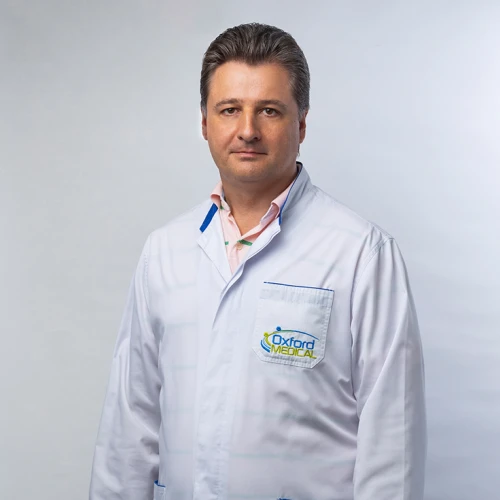
 5
5  25+
25+  25+ Years of experience
  Kyiv, Sribnokilska St. 20
 4.91 21+
  21+ Years of experience Kyiv, Mykhayla Hryshka St., 1
  5 29+ 29+ Years of experience Kyiv, Hlybochytska St., 40x
  4.38 5+ 5+ Years of experience Kyiv, 9 Ivana Kramskoho Street Kyiv, Hlybochytska St., 40x
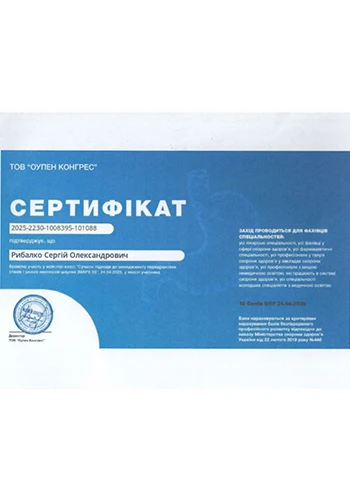
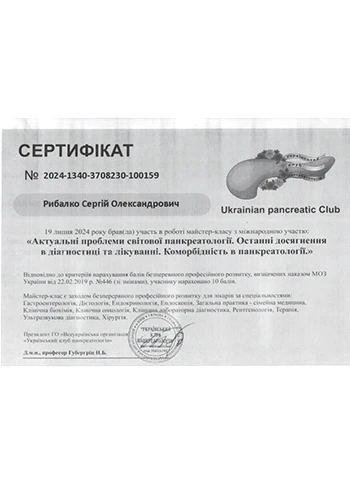
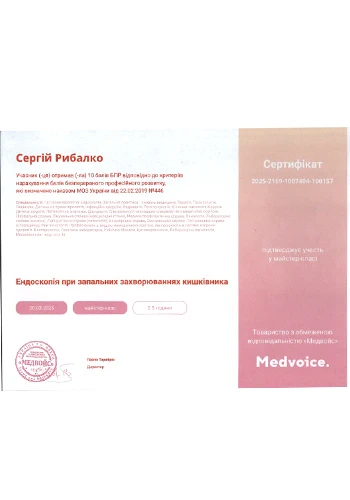


At the Oxford Medical clinic, endoscopic examinations are performed using modern NBI (Narrow Band Imaging) technology - narrow-spectrum imaging, which significantly improves the quality of diagnostics.
The NBI method allows for a detailed assessment of the condition of the mucous membrane and vascular pattern, which is especially important for the early detection of oncological and precancerous changes. Thanks to special illumination using a narrow spectrum of light waves, the doctor can see even the smallest changes that remain unnoticed during a standard examination.
Advantages of endoscopy with NBI:
Endoscopy with NBI is an important tool for the timely detection of dangerous changes in the gastrointestinal tract and helps the doctor prescribe effective treatment.
A gastroscopy is the examination of organs of gastrointestinal tract (esophagus, stomach, duodenum) by the gastroscope. The gastroscopy allows examining the condition of upper sections of the human digestive system.
The indications for gastroscopy are:
In addition, the gastroscope allows getting a biopsy, removing small polyps, performing other medical manipulations.
On the average, the procedure of gastroscopy takes not more than two-three minutes. If necessary, the gastroscopy record can be viewed by the doctor at any moment. There are no complications after the gastroscopy, performed by the qualified and experienced doctors.
The gastroscopy is the most reliable method of obtaining precise and comprehensive data on the condition of the esophagus, stomach or duodenum.
The colonoscopy is the effective method, allowing obtaining the comprehensive information on the condition of the large intestine very fast. The use of colonoscope (flexible guided probe with camera) allows determining the intestinal diseases quickly and precisely at the earliest stages of development, when they do not manifest themselves with clear symptoms.
The colonoscopy is required in case of:
On the whole, the doctors recommend undergoing the colonoscopy for each patient with intestinal problems. After 40, due to the higher risk of appearance of colorectal cancer, the colonoscopy is recommended as the annual preventive examination; fortunately, the cost of procedure makes it affordable for most patients.
Judge for yourself: 20 minutes of the examination replaces multiple tests and analyses, giving much more precise results!
The endoscopists of Oxford Medical Kyiv perform examinations, using the newest Olympus Exera II Video System. It is a digital high-class endoscope, allowing performing a precise and quick diagnosis of diseases of the large intestine. For one session, this endoscopy system allows not only performing a visual examination, but also getting a biopsy.
Many patients postpone endoscopic examinations due to fear of discomfort. At the Oxford Medical clinic, endoscopy can be performed while asleep (under sedation) – this is a modern approach that ensures complete painlessness and peace during the procedure.
Medical sleep is a state of light controlled sleep, which is achieved through the administration of special drugs. The patient does not feel any pain or discomfort, and after the procedure wakes up without any serious aftereffects.
The procedure is supervised by an anesthesiologist, who monitors the patient's condition at all stages. This method not only increases comfort, but also allows the doctor to conduct a detailed and unhindered examination, obtaining the most accurate results.
After endoscopy while asleep, the patient rests under the supervision of a doctor and can return to his usual life in a short time.
If you are concerned about discomfort during diagnostic procedures, choose endoscopy under sedation – safe, comfortable and stress-free. Sign up for an examination at a time convenient for you!
The cost of an endoscopic examination depends on the type of procedure, the use of sedation, and the need for additional manipulations (biopsy, polyp removal, etc.).
You can preliminarily familiarize yourself with the prices here. The doctor will provide you with more detailed information about the possibilities, program, and cost of the procedure during the initial consultation.
Make an appointment at a time convenient for you by phone or via online chat on the website.
 in the clinic
  online
  Hello!


