


With properly selected therapy, the acute symptoms of facial nerve neuritis can be treated in 10–15 days, but an additional course of physiotherapy may be required afterward. On average, full recovery takes 2–3 weeks but can extend up to 2 months.
Sign up via call center 
 Adults Adults Adults Adults Adults Adults Adults Adults Adults
  Children Children Children Children
Department
Adults Outpatient department
Adults Outpatient department
Inpatient department
Adults Inpatient department
Aesthetic medicine
Adults Aesthetic medicine
Dentistry
Adults Dentistry
Plastic surgery
Adults Plastic surgery
Diagnostics
Adults Diagnostics
Analyzes
Adults Analyzes
Outbound services
Adults Outbound services
Children Outpatient department
Children Outpatient department
Dentistry
Children Dentistry
Diagnostics
Children Diagnostics

Kyiv


 Hotline:
 Request a call:


Department
Adults Outpatient department
Adults Outpatient department
Inpatient department
Adults Inpatient department
Aesthetic medicine
Adults Aesthetic medicine
Dentistry
Adults Dentistry
Plastic surgery
Adults Plastic surgery
Diagnostics
Adults Diagnostics
Analyzes
Adults Analyzes
Outbound services
Adults Outbound services
Children Outpatient department
Children Outpatient department
Dentistry
Children Dentistry
Diagnostics
Children Diagnostics
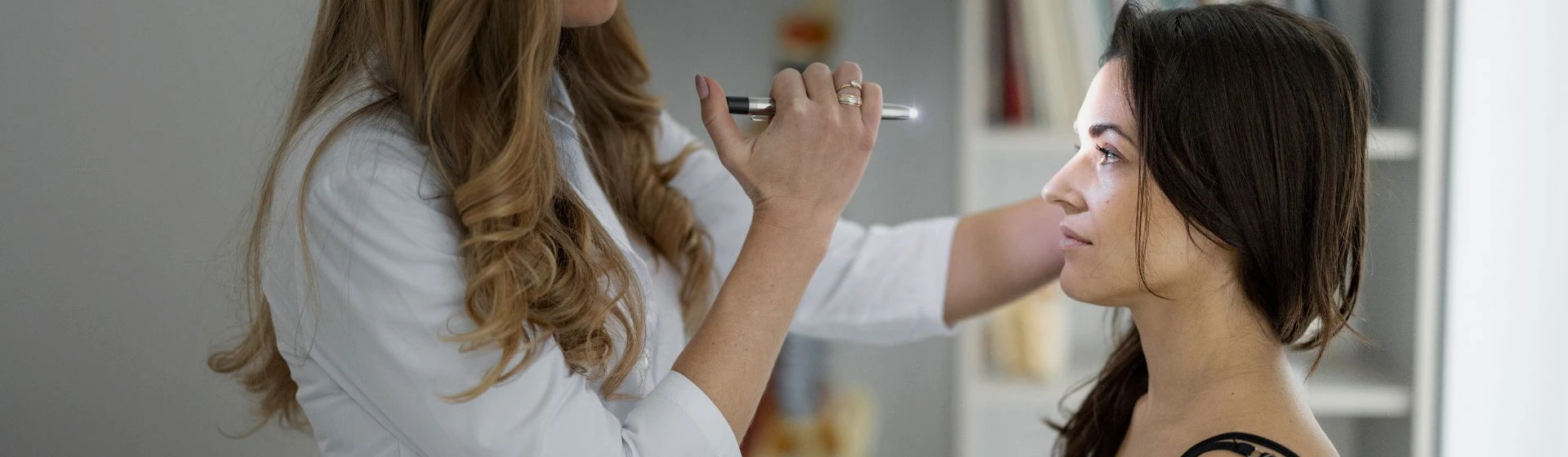
Bell`s palsy treatment
Facial nerve neuritis is an inflammation of the nerves responsible for controlling facial muscle movements. The most common factors that provoke the development of this condition are:
-
hypothermia due to exposure to drafts;
-
infections (mumps, measles);
-
traumatic brain injury;
-
inflammatory processes in the middle ear, nasal sinuses, or brain.
Accordingly, neuritis can be classified as primary (caused by hypothermia) and secondary (caused by the other listed reasons).
Symptoms of facial nerve neuritis
This condition is characterized by sensory disturbances, pain in the ear area, hearing and taste disorders, and increased salivation.
In 98% of cases, neuritis is accompanied by noticeable facial asymmetry, visible at rest and sharply intensified during facial movements. On the affected side of the face, the skin folds are smoothed, and the shape of the eye slit changes (it becomes wider). If the patient is asked to wrinkle the forehead, no folds appear on the affected side. The nasolabial fold is smoothed out, and the corner of the mouth is constantly lowered. When baring the teeth or smiling, the mouth is pulled to the healthy side. When trying to close the eyes, one eye does not close completely.
Diagnosis of facial nerve neuritis
The diagnosis and treatment of facial nerve neuritis are carried out by neurologists. During the consultation, the specialist inquires about the patient's symptoms and performs an examination.
To clarify the diagnosis, the doctor may ask the patient to perform a simple test:
-
close or tightly shut the eyes (both at the same time, then one after the other);
-
raise and then frown the eyebrows;
-
puff out the cheeks, blow or whistle;
-
wrinkle the nose;
-
bare the teeth.
Based on how the patient performs these tasks, the doctor determines the presence of neuritis and the degree of facial muscle involvement.
Treatment of facial nerve neuritis
Treatment involves drug therapy aimed at relieving swelling and inflammation of the nerve. Painkillers may be prescribed if the pain syndrome is pronounced. In cases of secondary neuritis, treatment targets the underlying condition that led to the inflammation. Once the acute symptoms subside (usually within 10–15 days), physiotherapy is prescribed to restore muscle function. Facial massage, as well as massage of the occipital and collar zones, is also recommended.
Recovery typically occurs within two to three weeks, but in some cases, full restoration of facial expressions may take up to a year. Therefore, it is crucial to start treatment as early as possible to avoid complications. Complete recovery is observed in 75% of patients.
The neurology department at Oxford Medical – Kyiv will provide you with professional care in treating neuritis and neuralgia.
FAQ
How long does it take to treat facial nerve neuritis?
What are the risks of facial nerve neuritis?
Facial nerve neuritis can lead to complications such as persistent contracture of the facial muscles (constant muscle tension, involuntary movements), synkinesis (involuntary eye closure during smiling), taste disturbances, ulceration and other corneal damage up to blindness, and brain inflammation.
What should be avoided with facial nerve neuritis?
Self-medication and delaying a visit to the doctor should be avoided with facial nerve neuritis, as improper or untimely treatment can lead to severe complications.
Who treats facial nerve neuritis?
A neurologist is the specialist who treats facial nerve neuritis/

Our services
Consultations

Consultation with a neurologist
1100.00 ₴
Add Added 
Consultation with a leading neurologist
1989.00 ₴
Add Added
Online consultation with a neurologist
1100.00 ₴
Add Added
Neurology services
Biopuncture with autologous blood (1 procedure)
589.00 ₴
Sign up by the call center
Biopuncture, 1 session (excluding the cost of medications)
449.00 ₴
Sign up by the call center
Biopuncture, 5 sessions (excluding the cost of medications)
2189.00 ₴
Sign up by the call center
Paravertebral blockade of the 1st category of complexity (excluding the cost of medications)
649.00 ₴
Sign up by the call center
Paravertebral blockade of the II category of complexity (without the cost of medications)
789.00 ₴
Sign up by the call center

Advantages of the neurology department at «Oxford Medical» in Kyiv

Experienced doctors. All neurologists have extensive clinical experience and continually improve their qualifications.
Modern diagnostics. We use precise diagnostic methods to establish diagnoses.
Comprehensive approach. Consultations with related specialists and required examinations are available in the clinic.
Day hospital treatment option. Patients can receive infusions and monitoring on-site if needed.
Show more 
Our doctors
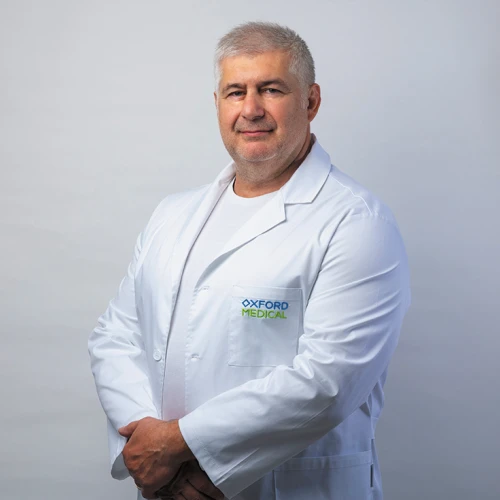
 4.91
4.91  26+
26+ 
Neurologist of the highest category
 26+ Years of experience
 Consultation 1100
 Kyiv, Hlybochytska St., 40x Kyiv, Vasyl Lypkivskoho St., 38
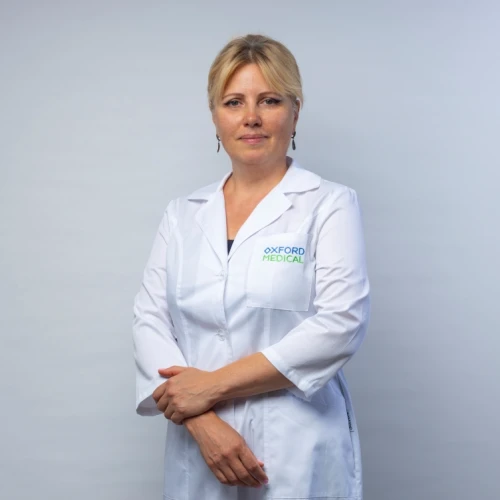 4.83 28+
 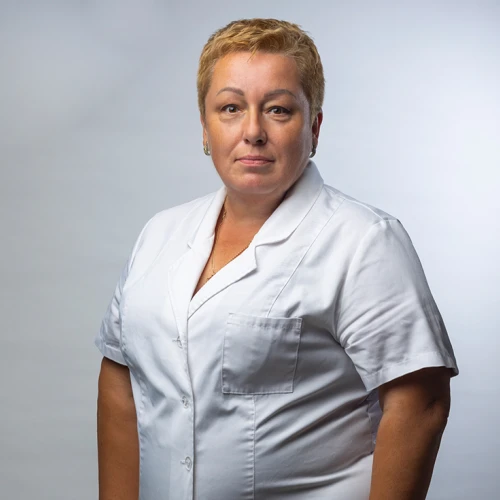 4.88 26+
  4.94 34+
 Neurologist, rehabilitation specialist, chiropractor
34+ Years of experience Consultation 1100
Kyiv, Hlybochytska St., 40x 
Reviews
Тетяна 19.02.2026
Була вимушена звернутися до лікаря з гострою болю в шиї. Лікар відразу виявив причину, поставив діагноз та запропонував лікування. Буквально відразу після сеансу мануальної терапії відчула полегшення. Подальші сеанси тільки закріплювали результат. Досвідченність , професійність та компетентність, як кажуть в одному флаконі. Всім раджу звертатися за допомогою до професіоналів, а саме до Михайла Захіровича.

Інна 28.01.2026
Хочу подякувати лікарю Сулейманову Михайлу Захіровичу. Дуже професійний лікар, пояснює все зрозуміло та чітко. Після кількох сеансів біль в шиї та грудному відділі хребта зникла, натомість зʼявилось відчуття легкості та рухливості.
Current information

20 March 2026
Why do hands go numb and how to get rid of hand numbness
16 March 2026
Cerebrovascular disease: what you need to know

11 March 2026
What to do for back pain: when to see a doctor

11 March 2026
Who treats osteochondrosis and when to see a doctor
Sign up
 in the clinic
  online

 Hello!
Let's take care
about your health:
Sign up via call center 
