

 Adults Adults Adults Adults Adults Adults Adults Adults Adults
  Children Children Children Children


 Hotline:
 Adults Adults Adults Adults Adults Adults Adults Adults Adults Children Children Children Children



Closed head injury effects treatment
Treatment of the Consequences of Closed Traumatic Brain Injury
Traumatic Brain Injury (TBI) is damage to the skull, brain, blood vessels, nerves, and brain membranes caused by mechanical impact. In open TBIs, the cranial cavity communicates with the external environment, while in closed TBIs, the skull bones remain intact, but the skin and brain tissues suffer. In most cases, traumatic brain injury results from car accidents or domestic injuries.
How to Recognize the Signs of a Head Injury
Timely recognition of the signs of a traumatic brain injury is crucial, as delayed medical care can lead to serious complications. Key symptoms to watch for include:
-
Headache after impact and dizziness – intense, sharp pain or gradual worsening may indicate internal damage.
-
Nausea and vomiting – among the first signs of brain dysfunction.
-
Problems with coordination and balance – ranging from slight unsteadiness to significant impairment.
-
Vision and hearing issues – blurred vision, ringing in the ears, or sudden hearing loss.
-
Loss of consciousness and memory impairment – a serious symptom requiring immediate medical evaluation.
-
Mental changes – such as nervousness, confusion, hallucinations, or excessive drowsiness.
Early identification of these symptoms and prompt medical consultation are critical to minimizing long-term consequences.
Why a Traumatic Brain Injury Is Dangerous
Such injuries can have severe and even life-threatening consequences, including:
-
Impaired cognitive functions – reduced concentration, memory difficulties.
-
Nervous system disorders – irritability, mood swings, depressive states, neuritis.
-
Sleep disturbances – frequent insomnia or excessive drowsiness.
-
Cranial nerve damage symptoms – such as seizures, paralysis, speech or coordination disorders, epilepsy.
-
Cardiovascular and respiratory issues – irregular heart rhythm, reduced respiratory function.
-
Development of post-traumatic syndrome – fatigue, irritability, increased anxiety.
Without proper treatment, such complications can significantly affect quality of life and lead to disability.
How to Provide First Aid for a Traumatic Brain Injury
Properly administered first aid can save a person's life and reduce the risk of complications. Key recommendations:
-
Ensure rest and immobilization: do not move the person if a serious injury is suspected.
-
Lay the person on their back and slightly turn the head to the side to prevent choking in case of vomiting.
-
Apply a cold compress to the site of impact to reduce swelling.
-
Provide fresh air access and loosen clothing if needed.
-
Do not give food or water – this may cause vomiting or choking.
-
Call an ambulance immediately and monitor the person's consciousness.
Initial medical evaluation after a head injury is the best way to prevent serious complications.
Treatment of traumatic brain injury consequences
Inpatient treatment of patients with mild closed traumatic brain injury is carried out during the acute phase (3–14 days). However, the consequences may manifest months or even years after the initial trauma. Many patients develop pathological changes in the central nervous system during this period. Treatment of closed TBI consists of two stages — intensive therapy and rehabilitation. During intensive therapy, the patient's condition is stabilized; during rehabilitation, the consequences of the injury are addressed.
The recovery process for TBI patients begins in the intensive care unit. Then, depending on the level of brain damage, doctors develop individualized rehabilitation programs for each patient.
Rehabilitation After TBI
Rehabilitation after TBI depends on the severity of the injury and the patient's health condition. The main rehabilitation stages include:
-
Medication to reduce the effects of the injury.
-
Physiotherapy – exercises to restore motor skills, coordination, and muscle strength.
-
Speech therapy – in cases where speech functions are affected.
-
Psychological support and psychotherapy – especially important for patients with emotional disorders.
-
Cognitive therapy – to restore memory and improve concentration.
An individualized rehabilitation program at Oxford Medical helps patients gradually restore health and regain lost skills and functions.
Advantages of TBI Treatment at Oxford Medical Clinic
TBI treatment at Oxford Medical clinic offers a number of advantages:
-
Qualified specialists with extensive experience in treating patients after severe brain injuries.
-
Individual approach – treatment programs are developed according to the severity and nature of the injury.
-
Modern diagnostic equipment and methods – ensuring accurate injury detection and effective treatment selection.
-
Comfortable inpatient conditions – comprehensive care during intensive therapy and rehabilitation.
-
Affordable treatment prices and the option to book an appointment at a convenient time.
You can book a consultation with a neurologist by phone or via the online chat on the Oxford Medical website.
Cost of Treatment for Closed TBI at Oxford Medical Clinic
The cost of treating the consequences of open and closed TBIs at Oxford Medical clinic may vary depending on the patient’s individual needs, the extent of brain damage, and the chosen rehabilitation program. Treatment includes both intensive care and comprehensive post-TBI rehabilitation to ensure maximum recovery of health and body functions.
You can preview the prices here. More details about treatment options, programs, and costs will be provided by the doctor during your initial consultation. Schedule your visit at a convenient time by phone or via the website’s online chat.
To book a consultation, call or submit a request on the website.


Advantages of the neurology department at «Oxford Medical» in Kyiv

Experienced doctors. All neurologists have extensive clinical experience and continually improve their qualifications.
Modern diagnostics. We use precise diagnostic methods to establish diagnoses.
Comprehensive approach. Consultations with related specialists and required examinations are available in the clinic.
Day hospital treatment option. Patients can receive infusions and monitoring on-site if needed.

Our doctors
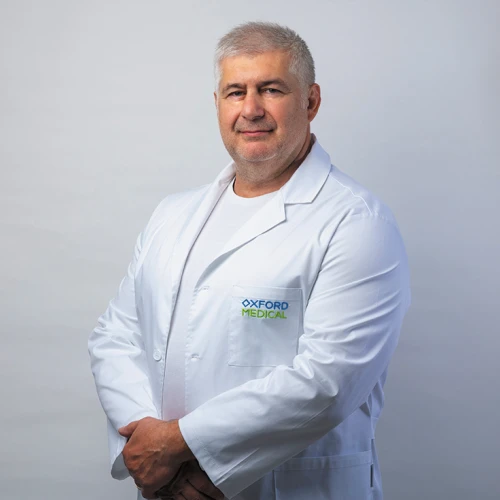
 4.91
4.91  26+
26+ 
 26+ Years of experience
  Kyiv, Hlybochytska St., 40x Kyiv, Vasyl Lypkivskoho St., 38
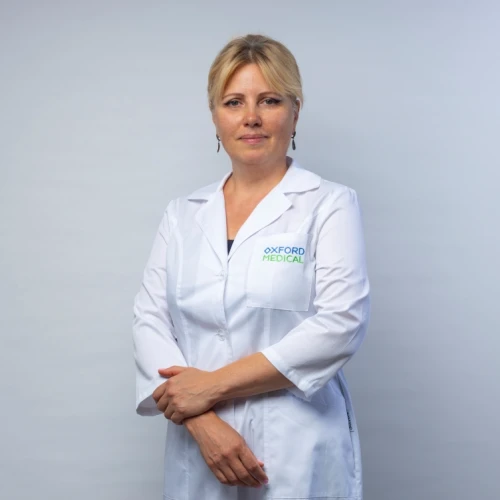 4.83 28+
 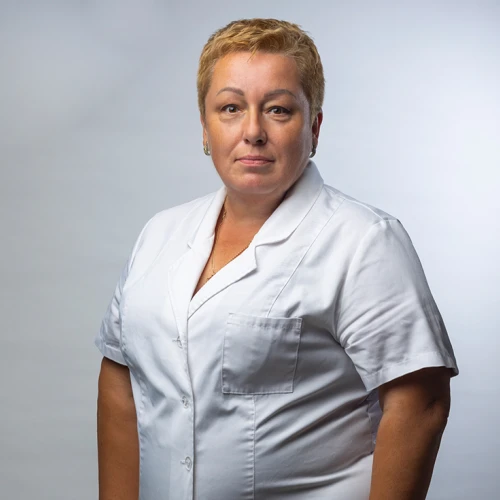 4.88 26+
 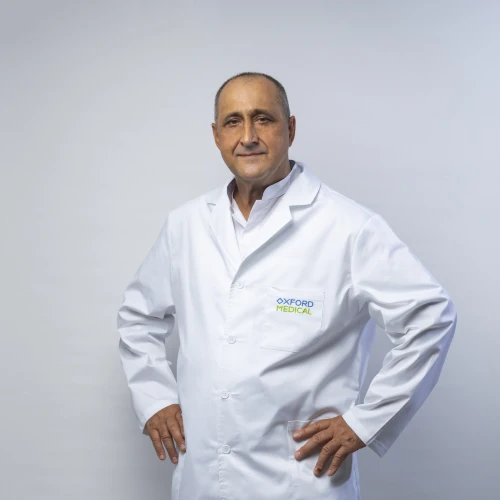 4.94 34+ 34+ Years of experience Kyiv, Hlybochytska St., 40x





 in the clinic
  online

 Hello!
Let's take care
about your health:

