

 Adults Adults Adults Adults Adults Adults Adults Adults Adults
  Children Children Children Children


 Hotline:
 Adults Adults Adults Adults Adults Adults Adults Adults Adults Children Children Children Children



Radiculitis treatment
Treatment of sciatica in Kiev
Radiculitis is a syndrome that develops due to the pinching and inflammation of spinal nerve roots. It occurs as a complication of other spinal disorders, injuries, or intense physical strain.
Attacks most often occur suddenly and are accompanied by sharp pain and limited mobility. Symptoms may vary depending on the location of the affected nerve: in the neck, shoulders, thoracic region, lower back, or sacrum.
Radiculitis treatment requires a comprehensive therapeutic approach. It is important not only to relieve symptoms but also to eliminate triggering factors. Without appropriate treatment, the condition may become chronic, characterized by long-term symptoms and periodic flare-ups.
At Oxford Medical, all conditions are in place for thorough diagnostics and quality treatment of radiculitis. Expert-level equipment for X-rays and computed tomography makes it possible to determine the exact cause of the disease. Based on the diagnostic results, neurologists create a personalized therapy program to help improve the patient's condition as quickly as possible.
Causes of radiculitis
Radiculitis develops when spinal nerve roots are compressed. This most often occurs during sudden movements or excessive physical loads.
Triggering factors may include:
-
disc protrusions and herniated intervertebral discs;
-
scoliosis and other forms of spinal curvature;
-
osteochondrosis;
-
arthritis;
-
injuries, including old ones;
-
nonspecific spondylitis;
-
neurological disorders;
-
certain infectious diseases;
-
obesity and pregnancy, which increase the load on the spine.
Signs and symptoms of radiculitis
Radiculitis causes sharp pain and limited mobility along the compressed nerve. Depending on its location, the pain may be felt in the lower back radiating to the buttocks and legs, or in the shoulder blade and neck area, spreading to the shoulders and arms.
The main symptoms of radiculitis are:
-
sharp pain that worsens with movement;
-
limited mobility in the spine area;
-
numbness or burning sensations in various parts of the body (along the affected nerve);
-
muscle weakness;
-
dizziness, nausea, and vomiting (in cases of cervical spine nerve involvement).
Classification of radiculitis
Depending on the location of the compressed nerve, the following types of radiculitis are distinguished:
- Cervical – manifests as pain and impaired sensitivity in the back of the neck and head. It worsens when turning the head.
- Cervicobrachial – symptoms spread to the occiput, shoulders, and shoulder blades.
- Thoracic – causes pain in the intercostal space and heart area, as well as tingling or numbness in the arms.
- Lumbosacral – accompanied by acute lower back pain that radiates to the buttock and thigh. It causes limited mobility in the back and legs.
Due to the anatomical features of the spine and motor activity, nerve compression most often occurs in the lumbar and sacral regions. According to statistics, up to 80% of people experience this problem at least once in their lives.
Cervical and thoracic radiculitis are much less common. However, in such cases, particularly thorough diagnostics are required, since similar symptoms may appear in other diseases.
Radiculitis diagnostics
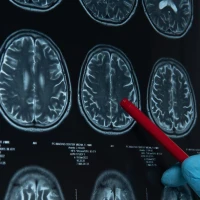
If you experience radiculitis symptoms, consult a family doctor or neurologist. During the consultation, the specialist will review your complaints and medical history, then perform an examination and neurological tests. To confirm the diagnosis, the doctor may prescribe a CT or MRI scan of the affected part of the back and other tests as needed.
Radiculitis treatment methods
Radiculitis is treated with medication. Patients are prescribed painkillers and muscle relaxants, and are advised to observe bed rest until their condition improves (usually 2–3 days).
In complicated cases or in chronic radiculitis, the doctor may also prescribe manual therapy and physiotherapy procedures (reflex therapy, cryotherapy, laser therapy, etc.).
After the condition improves, patients are advised to undergo a comprehensive examination to determine the cause of the nerve root compression and, if necessary, receive further treatment.
Advantages of treatment at Oxford Medical
Oxford Medical is a multidisciplinary medical center whose main priority is to ensure high-quality medical services. All clinics in Kyiv are equipped with state-of-the-art diagnostic and treatment equipment, and only highly qualified doctors with many years of experience provide care.
The main advantages of treatment at Oxford Medical include:
-
high professionalism of doctors;
-
modern equipment;
-
use of only effective treatment methods;
-
comfortable atmosphere and friendly staff;
-
convenient appointment scheduling;
-
clinics located in different districts of Kyiv;
-
loyalty program for regular patients.
To schedule a consultation with a doctor, call our contact center or submit a request on the website.


Advantages of the neurology department at «Oxford Medical» in Kyiv

Experienced doctors. All neurologists have extensive clinical experience and continually improve their qualifications.
Modern diagnostics. We use precise diagnostic methods to establish diagnoses.
Comprehensive approach. Consultations with related specialists and required examinations are available in the clinic.
Day hospital treatment option. Patients can receive infusions and monitoring on-site if needed.

Our doctors

 4.91
4.91  26+
26+ 
 26+ Years of experience
  Kyiv, Hlybochytska St., 40x Kyiv, Vasyl Lypkivskoho St., 38
 4.83 28+
  4.88 26+
  4.94 34+ 34+ Years of experience Kyiv, Hlybochytska St., 40x





 in the clinic
  online

 Hello!
Let's take care
about your health:

