


Depending on the scope of surgery and the patient’s condition, local anesthesia or sedation (medical sleep) is used.
Sign up via call center 
 Adults Adults Adults Adults Adults Adults Adults Adults Adults
  Children Children Children Children
Department
Adults Outpatient department
Adults Outpatient department
Inpatient department
Adults Inpatient department
Aesthetic medicine
Adults Aesthetic medicine
Dentistry
Adults Dentistry
Plastic surgery
Adults Plastic surgery
Diagnostics
Adults Diagnostics
Analyzes
Adults Analyzes
Outbound services
Adults Outbound services
Children Outpatient department
Children Outpatient department
Dentistry
Children Dentistry
Diagnostics
Children Diagnostics

Kyiv


 Hotline:
 Request a call:


Department
Adults Outpatient department
Adults Outpatient department
Inpatient department
Adults Inpatient department
Aesthetic medicine
Adults Aesthetic medicine
Dentistry
Adults Dentistry
Plastic surgery
Adults Plastic surgery
Diagnostics
Adults Diagnostics
Analyzes
Adults Analyzes
Outbound services
Adults Outbound services
Children Outpatient department
Children Outpatient department
Dentistry
Children Dentistry
Diagnostics
Children Diagnostics
Tenolysis
Tenolysis in Kiev
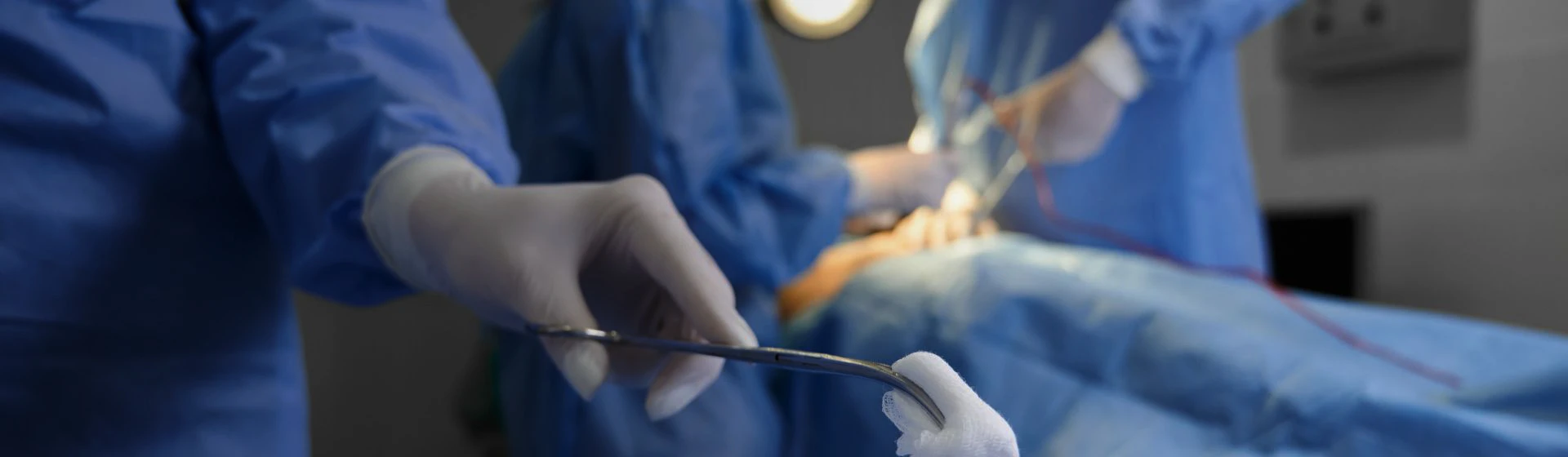
Tenolysis is a surgical procedure aimed at releasing tendons from scar tissue or adhesions that restrict their normal movement and cause pain. Most often, it is performed to correct unsuccessful healing after injuries, burns, or inflammatory processes.
The operation is quite complex and requires a high level of surgical skill, as its success directly depends on the precision of the manipulations. At Oxford Medical, tenolysis is performed by plastic surgeons with over 20 years of experience. They use advanced surgical techniques that allow achieving the best treatment results.
Schedule a preliminary consultation with a surgeon – call our contact center or leave a request on the website.
When is tenolysis prescribed?
After a tendon rupture or severe inflammation, scar tissue and adhesions with surrounding tissues may form. They restrict the normal gliding of tendons, which causes pain and reduces or completely eliminates the mobility of the fingers of the hand or foot. To release the tendon and restore mobility, tenolysis is performed.
The main indications for surgery are:
-
development of scar changes and adhesions around tendons;
-
limitation of movement range;
-
complications after surgical interventions;
-
inflammatory and degenerative processes with scar changes.
The causes of scars and adhesions may include tendon tears, ruptured tendon in the leg and other injuries, inflammatory and degenerative joint diseases, as well as surgical interventions for a ruptured tendon in the hand or other parts of the body.
Preparation for tenolysis
Before surgery, the patient undergoes a comprehensive examination. First of all, X-ray, ultrasound, CT, or MRI of the affected area is performed. These diagnostic methods allow a detailed assessment of the condition of tendons, the presence of scar changes and adhesions, as well as their localization and extent. In particular, before flexor tendon tenolysis of the fingers, an examination must be performed immediately prior to surgery.
Blood and urine tests may also be prescribed to assess overall health and exclude contraindications to surgery. The presence of infectious and inflammatory diseases may negatively affect the course of the operation and healing process.
Several days before surgery, it is recommended to stop taking medications that affect blood clotting. These include anticoagulants, non-steroidal anti-inflammatory drugs, and some other medications.
How is tenolysis performed?
Tendon tenolysis is performed without hospitalization. The operation takes from 1 to 2 hours, and shortly after it, the patient can leave the clinic.
The main stages of tenolysis:
Anesthesia
Access to the tendon
The surgeon makes a small incision in the area of the affected tendon. The length and location of the incision depend on the localization and extent of scar changes.
Release of the tendon
The surgeon carefully removes scar tissue and adhesions that restrict tendon mobility.
Wound closure
After freeing the tendon, the surgeon sutures the wound. Depending on the scope of surgery and tissue condition, synthetic threads or self-absorbing sutures may be used. A sterile dressing is applied on top of the sutures.
Immobilization
In some cases, after the operation, immobilization of the hand or foot is performed using special orthoses or plaster casts. This promotes healing and helps prevent the re-formation of adhesions and scars.
Recovery after tenolysis
The postoperative period is very important for complete restoration of tendon function and prevention of possible complications.
As part of rehabilitation, it is recommended to:
-
In the first days after surgery, regularly change dressings and monitor the wound condition. The first dressings should be performed by specialists in the clinic.
-
Take prescribed medications to prevent infection, reduce pain, and inflammation.
-
Avoid physical exertion for several weeks after surgery to prevent tendon damage.
-
Undergo physiotherapy to restore tendon mobility and strength, as well as prevent the re-formation of scars and adhesions. A specialist develops an individual exercise program for the patient.
-
Regularly visit the surgeon for check-ups to assess the recovery process. The doctor may adjust the rehabilitation program and, if necessary, prescribe additional procedures.
Complete recovery after flexor tendon tenolysis may take from several months to six months. It all depends on the complexity of the surgery, the patient’s overall health, and adherence to medical recommendations.
Tenolysis: cost at Oxford Medical
Oxford Medical has a high-tech surgical department, the equipment of which allows for successful operations of any complexity.
The cost of tenolysis at the Oxford Medical clinic depends on the complexity of the surgical intervention, the chosen anesthesia method, and the individual characteristics of the patient. You can find out the prices here.
To accurately determine the cost of the procedure, you must make an appointment with a surgeon. The doctor will conduct an examination and prescribe the necessary diagnostic tests. Based on this data, an individual treatment plan will be drawn up and the cost will be calculated.
Make an appointment with a surgeon at the Oxford Medical clinic to receive detailed information about the possibilities of restoring tendon function and the cost of tenolysis.


Advantages of tenolysis at Oxford Medical

Highly qualified surgeons – our specialists have many years of experience, constantly improve their qualifications, and apply advanced treatment techniques.
Individual approach to each patient – before surgery, the patient undergoes an examination, based on which surgeons choose the optimal surgical method.
Modern equipment – the clinic is equipped with expert-class equipment that allows accurate diagnostics and complex surgeries.
Support at all stages from diagnostics to postoperative rehabilitation – our doctors work with patients until full recovery.
Show more 
Our doctors
 4.88
4.88  26+
26+ 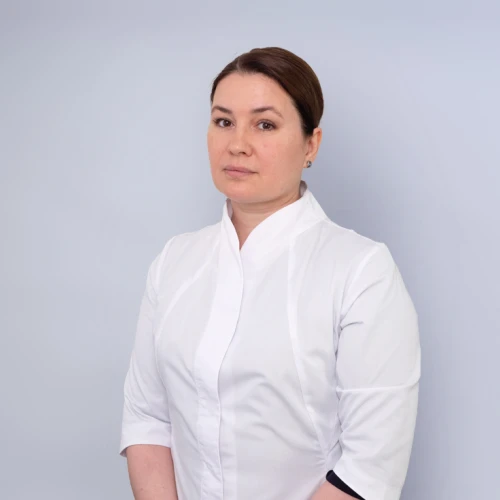 4.87 20+
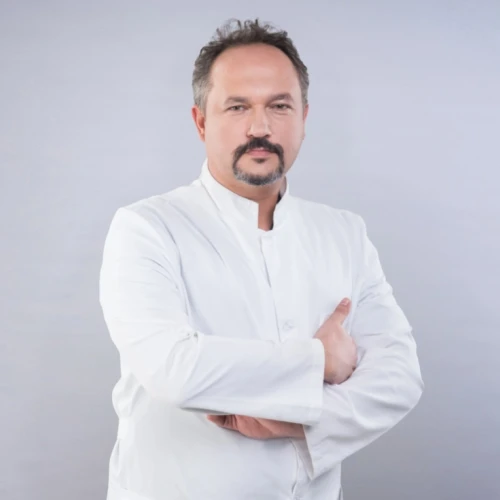
Doctor, plastic surgeon of the highest category, Candidate of Medical Sciences, member of ISAPS.
 20+ Years of experience
 Consultation 1689
Make an appointment 
 4.89 21+
 Doctor, plastic surgeon of the highest category
21+ Years of experience Consultation 1689
Make an appointment 
Reviews
Олена 01.11.2025
Ольга Андріївна — надзвичайно уважний і талановитий лікар. Усе продумано до дрібниць: від консультації до післяопераційного супроводу. Відчувається великий досвід і щире бажання зробити пацієнта щасливим. Дякую за професіоналізм і турботу!

Любов 03.02.2025
Всіх вітаю. Робила мамопластику у Володимира Петровича Піруса. Чому саме в нього- єдиний пластичний хірург якому змогла довіритись. Тому, якщо маєте страх та хвилювання- раджу до консультації. Більшість( консультувалась в декількох хірургів до) пропонували зробити в 2 етапи, а Володимир Петрович зробив все за один з найкращим можливим результатом. Кращий лікар, краща команда. Раджу від щирого серця❤️
Current information

03 April 2025

06 March 2025
Lunch Break Surgery: Which Plastic Surgeries Can Be Done Together
30 July 2020
Septoplasty
Sign up
 in the clinic
  online

 Hello!
Let's take care
about your health:
Sign up via call center 
