Sign up via call center
Department
Reactive arthritis (Reiter's syndrome) ➤ treatment in Kyiv | Oxford Medical

Treatment of reactive arthritis (Reiter's syndrome)

Reactive arthritis can develop after previous infections and manifest as pain and swelling of the joints, morning stiffness, discomfort in the feet or heels, swelling of the fingers, and sometimes — redness of the eyes or general fatigue. Without timely treatment, inflammation can turn into a chronic form and gradually affect mobility.

At the «Oxford Medical» medical center, a comprehensive approach to the diagnostics and treatment of rheumatological diseases is used. During the consultation, the doctor will assess the symptoms, prescribe the necessary examinations, and select therapy taking into account the activity of the inflammatory process and the general state of health. Make an appointment at a time convenient for you by phone or through the online appointment form on the website.

What is reactive arthritis

Reactive arthritis — is an inflammatory disease of the joints that can occur after previous urogenital or intestinal infections. Inflammation develops due to an altered immune reaction of the body: even after the infection is eliminated, the immune system continues to maintain the inflammatory process in the joints and periarticular tissues.

Previously, to describe the combination of damage to the joints, eyes, and genitourinary system, the name Reiter's syndrome was often used. Today this term is considered outdated, and the condition itself is usually considered as one of the clinical forms of reactive arthritis, as noted by the US National Library of Medicine.

Causes of reactive arthritis

The development of reactive arthritis is most often associated with previous bacterial infections. According to American College of Rheumatology, reactive arthritis more often develops in people aged 20–50 years and can occur 1–6 weeks after an infection. At the same time, the bacteria themselves are usually no longer detected in the joints, and inflammation is maintained due to an excessive immune reaction of the body.

Most often, Reiter's disease is associated with:

  • chlamydia in men and women;
  • salmonellosis;
  • shigellosis;
  • yersiniosis;
  • campylobacteriosis.

In some patients, the disease can develop after urogenital infections, in particular in women with inflammatory diseases of the cervix, including cervicitis.

The risk of developing reactive arthritis may also be higher in people with a hereditary predisposition to autoimmune diseases. According to Mayo Clinic, in some patients the HLA-B27 gene is detected, which is associated with a higher probability of developing some inflammatory joint diseases.

Reiter's syndrome: symptoms

Symptoms of reactive arthritis most often appear several weeks
after a previous infection. 

The most common symptoms are:

pain, swelling, and stiffness in the joints;

swelling of the fingers or toes;

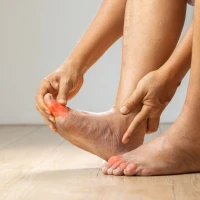
discomfort in the feet, heels, or lower back;

redness of the eyes, disorders of the genitourinary system.

List of diseases

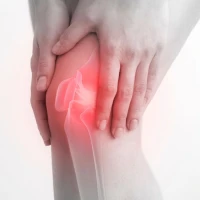
Most often, inflammation occurs in the knee, ankle joints, and feet. It is characterized by asymmetrical joint involvement — for example, only on one side of the body.

In some patients, Reiter's syndrome may be accompanied by discomfort during urination, irritation of the mucous membranes, or inflammation of the eyes. The severity of symptoms may vary — from moderate discomfort to significant limitation of mobility.

Reactive arthritis: diagnostics

Diagnostics of reactive arthritis begins with a consultation with a rheumatologist. The doctor clarifies when pain and swelling in the joints appeared, whether there have recently been intestinal or urogenital infections, and also assesses joint mobility and the presence of signs of inflammation.

To clarify the diagnosis, the following may be prescribed:

  • blood tests to assess the activity of inflammation;
  • examination for urogenital infections;
  • ultrasound of the joints and periarticular tissues;
  • MRI or radiography if it is necessary to assess the condition of the joints in more detail.

In some cases, the diagnosis of reactive arthritis is established after excluding other rheumatological diseases that may have similar symptoms. In particular, the doctor conducts differential diagnostics with gout, infectious joint damage, and autoimmune arthritides.

Doctors of «Oxford Medical» recommend not postponing the examination if swelling, stiffness, or discomfort in the joints persists for more than a few days or occurred after a previous infection.

How to treat reactive arthritis

In such a disease as reactive arthritides, treatment is selected individually — depending on the cause of the disease, the activity of inflammation, and the condition of the joints. The main goal of therapy — is to reduce inflammation, relieve pain, preserve joint mobility, and prevent the disease from becoming chronic.

Therapy may include:

  • nonsteroidal anti-inflammatory drugs to reduce pain and swelling;
  • antibacterial therapy in confirmed urogenital infections;
  • drugs for controlling chronic inflammation in a prolonged course;
  • physical rehabilitation and exercises to maintain joint mobility.

In most cases, treatment is carried out conservatively. According to the recommendations of EULAR, in a prolonged or recurrent course, disease-modifying antirheumatic drugs may be used to control chronic inflammation.

Doctors of «Oxford Medical» recommend not stopping treatment immediately after symptoms decrease, since the inflammatory process may persist for some time even with improved well-being. Moderate physical activity, load control, and regular follow-up with a rheumatologist also play an important role in restoring mobility and joint treatment.

Possible complications and consequences of reactive arthritis

In many people, symptoms gradually decrease over several months. At the same time, in some people inflammation may acquire a prolonged or recurrent course, especially without timely treatment and control of the disease.

Possible consequences of reactive arthritis may include:

  • persistent limitation of joint mobility;
  • chronic pain in the joints;
  • damage to the tendons and the sites of attachment of tendons to the bones;
  • inflammation of the eyes;
  • chronic pain in the lower back or sacrum;
  • recurrences of the disease.

In some patients, symptoms may persist even after the infection is eliminated. That is why it is important to control the activity of inflammation and follow the doctor's recommendations regarding treatment and further follow-up.

Disease prevention

It is impossible to completely exclude the risk of developing reactive arthritis, however an attentive attitude to health and timely treatment of infections help reduce the likelihood of developing an inflammatory process in the joints.

For prevention, it is recommended:

  • to treat urogenital and intestinal infections in a timely manner;
  • not to interrupt the course of antibacterial therapy prescribed by the doctor;
  • to consult a doctor when pain, swelling, or stiffness in the joints appears after a previous infection;
  • to maintain moderate physical activity to preserve joint mobility;
  • to control body weight in order to reduce the load on the joints;
  • to follow a balanced diet and sleep schedule;
  • to avoid self-treatment in case of prolonged pain or joint inflammation.

For people who have already had reactive arthritis, it is important to be attentive to the repeated appearance of symptoms and not to postpone a consultation with a rheumatologist when well-being worsens.

Price of reactive arthritis treatment in Kyiv at the private clinic «Oxford Medical»

You can preliminarily familiarize yourself with the prices for medical services here. The total price of treatment depends on the activity of the inflammatory process, the necessary scope of examinations, and individually selected therapy.

During the consultation, the doctor will assess the symptoms, examination results, and orient you regarding the recommended treatment plan and its cost. At the «Oxford Medical» clinic, patients can undergo a consultation with a rheumatologist, laboratory and instrumental diagnostics in one place. To make an appointment, contact the contact center or use the online appointment form on the website.

The information is for informational purposes and does not replace a doctor's consultation.

Sources:

Frequently asked questions

How does reactive arthritis differ from rheumatoid arthritis?

Reactive arthritis usually occurs after a previous infection — urogenital or intestinal — and often affects the joints asymmetrically. At the same time, rheumatoid arthritis is a chronic autoimmune disease that predominantly symmetrically affects the small joints of the hands and feet. To establish an accurate diagnosis, a doctor's examination, tests, and instrumental diagnostics are needed.

Can reactive arthritis be cured?

In many patients, the symptoms of reactive arthritis gradually disappear after treatment and elimination of the infection that provoked the inflammation. At the same time, in some people the disease may turn into a prolonged or recurrent form. Timely consultation with a rheumatologist, control of inflammation, and following the doctor's recommendations help reduce the risk of complications and a chronic course.

How long is reactive arthritis treated?

The duration of treatment of reactive arthritis depends on the activity of inflammation, the cause of the disease, and the body's response to therapy. In some patients, symptoms decrease within several weeks or months, however sometimes treatment and follow-up with a rheumatologist may last longer. It is important not to stop therapy on your own even after improvement in well-being.

( Rating: 4.99 , Votes: 82 )
Our services
Consultations
Consultation with a rheumatologist
1100.00 ₴
Order
Consultation with a leading rheumatologist
1989.00 ₴
Sign up by the call center
Online consultation with a rheumatologist
1100.00 ₴
Sign up by the call center

Advantages of the Rheumatology Department at Oxford Medical in Kyiv

Experienced doctors. Rheumatologists with many years of practice and specialization provide consultations.

Modern diagnostics. Accurate laboratory and instrumental diagnostic methods are used.

 Comprehensive treatment approach. Treatment considers comorbidities.

Comfortable examination conditions. Consultations are conducted in modern offices, without queues or stress.

Our doctors

Kovalevskaia Inna Grigorevna
4.9
rating (20)
27+
Years of experience
Rheumatologist, therapist, ultrasound doctor of the highest category
27+ Years of experience
Consultation 1100
Make an appointment
Yarmolenko Lyudmila Volodymyrivna – rheumatologist of the highest category of the private clinic Oxford Medical Kyiv
4.71
rating (14)
28+
Years of experience
Online consultation
Rheumatologist of the Highest Category
28+ Years of experience
Consultation 1100
Make an appointment
Trofanchuk Viktoria Vladimirovna
4.74
rating (23)
24+
Years of experience
Online consultation
Rheumatologist of the highest category, allergist
24+ Years of experience
Consultation 1100
Make an appointment
Doctor at the private clinic Oxford Medical Kyiv
5
rating (1)
2+
Years of experience
Rheumatologist
2+ Years of experience
Consultation 1100
Make an appointment
All doctors
Reviews
Руслан 13.05.2026
Звернувся до Інни Григорівни як до ревматолога через постійний дискомфорт у колінах і скутість зранку. Сподобалося, що лікарка дуже уважно ставиться до деталей і не робить поспішних висновків. Отримав чіткі рекомендації та пояснення щодо обстежень і лікування. Хороший спеціаліст.
Star Star Star Star Star
Софія 05.05.2026
Чудова консультація! Нарешті мені відповіли на всі мої питання, пояснили все, що я не розуміла та надали класні подальші рекомендації.
Star Star Star Star Star
Current information
All Articles
Sign up via call center
in the clinic
online
This site is protected by reCAPTCHA technology, and the Google Privacy Policy and Terms of Service apply.
Hello!
Let's take care
about your health:
Sign up via call center

We use cookies and other technologies to remember your preferences and find out exactly how you use and interact with the site.

By using our site, you also agree to the terms of the "User Agreement" and "Regulation on the processing and protection of personal data". By clicking "I AGREE", you consent to the processing of your data.