Thrombolysis is most often performed in acute occlusion of peripheral arteries, when a thrombus prevents blood flow to the extremities. Dissolving the thrombus helps improve blood circulation and avoids tissue ischemia.
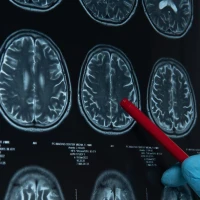
In ischemic stroke, thrombolysis is performed to dissolve the thrombus that blocks the normal blood supply to the brain. The goal of therapy is to restore blood flow and minimize complications. Usually, thrombolysis is advisable within no more than 4.5 hours after the onset of symptoms. However, the time may vary depending on the specific criteria and individual characteristics of the patient.
It is important to note that thrombolysis cannot be performed for all types of stroke. In hemorrhagic stroke, which is accompanied by bleeding, it is contraindicated and may worsen the condition.
Thrombolytic therapy is also sometimes performed in acute myocardial infarction to dissolve the blood clot that caused the blockage of a coronary artery.
Sometimes thrombolysis is also used in patients with a high risk of thromboembolism and pulmonary embolism.
A comprehensive examination is mandatory before thrombolysis. The procedure has a number of contraindications, and if they are not taken into account, there is a high risk of complications.