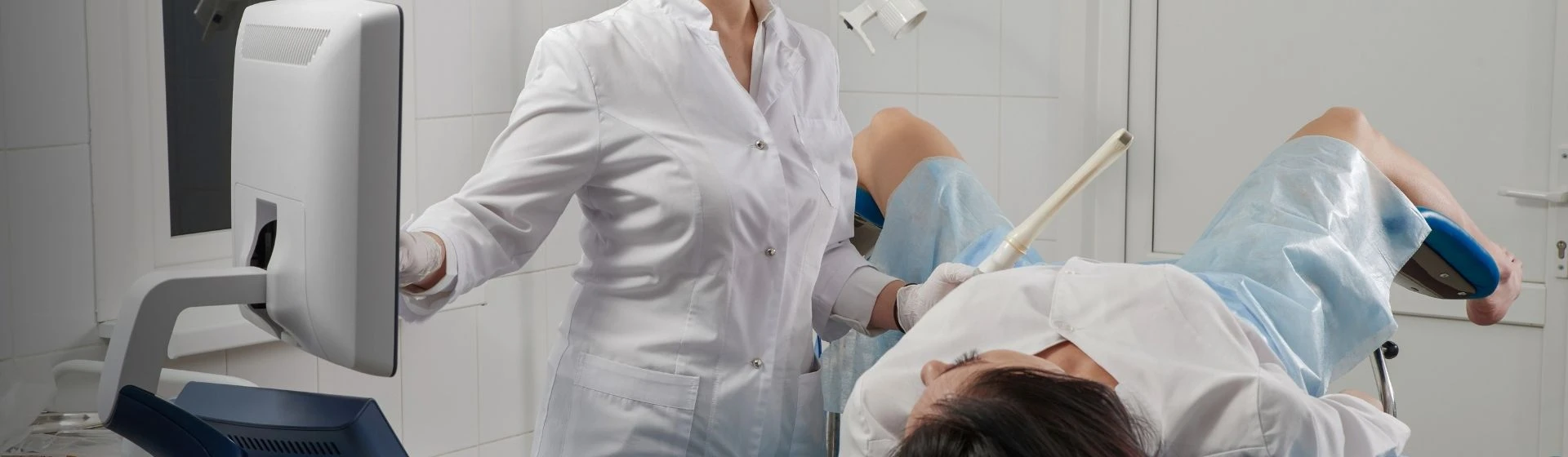
In most cases, cervicometry is performed transvaginally. The patient lies on the couch, after which the doctor uses a thin ultrasound probe with a disposable protective cover. The examination usually lasts a few minutes and should not cause pain.
During the procedure, the doctor carefully inserts the probe into the vagina and displays the image of the cervix on the screen. After this, the doctor measures its length, assesses the condition of the cervical canal, the internal os, and possible signs of premature changes.
Cervicometry during pregnancy has a clear purpose — to assess the cervix. It does not replace a complete ultrasound during pregnancy, during which the doctor assesses fetal development, the placenta, amniotic fluid, and other important indicators.
Doctors of Oxford Medical explain: if a short cervix is detected during the examination, this does not mean that complications will necessarily occur. But such a result requires assessment by an obstetrician-gynecologist, monitoring over time and, according to indications, treatment.