Contents:
- What is the “white” diet after teeth whitening
- What you can eat after teeth whitening
- What you should not eat after teeth cleaning and whitening
- How many days to follow the “white” diet
- “White” diet menu for one day
In the first 24–72 hours after teeth whitening, enamel becomes more susceptible to the effects of pigments contained in food and drinks. That is why dentists recommend following a special eating regimen known as the “white” diet. Its goal is to minimize the risk of repeated tooth staining and help maintain the result of the procedure.
In this article, we explain what you can eat after teeth whitening and which foods and drinks should be temporarily avoided. We will also look at how long you need to follow the restrictions and how to create a balanced menu for the day.
What is the “white” diet after teeth whitening
The “white” diet after whitening is an eating regimen that involves temporarily avoiding foods and drinks with pronounced natural or artificial dyes. The main principle is to choose light-colored foods that do not contain intense pigments.
During teeth whitening, temporary changes occur in the surface layer of the enamel, which makes it more susceptible to the effects of pigments for some time. That is why coffee, tea, red wine, berries, sauces and other richly colored products can negatively affect the shade of the teeth in the first days after the procedure.
Doctors at Oxford Medical recommend following these restrictions after any enamel-lightening methods, including after MAGIC SMILE whitening, ZOOM 4 and BEYOND, since proper care in the first days is an important part of achieving the desired result.
What you can eat after teeth whitening
When following the “white” diet, there is no need to fast or significantly restrict your diet. On the contrary, the menu can remain varied and balanced if you choose foods without bright dyes. Special attention should be paid not only to the color of food, but also to the way it is prepared, avoiding sauces, spices and additives that may contain pigments.
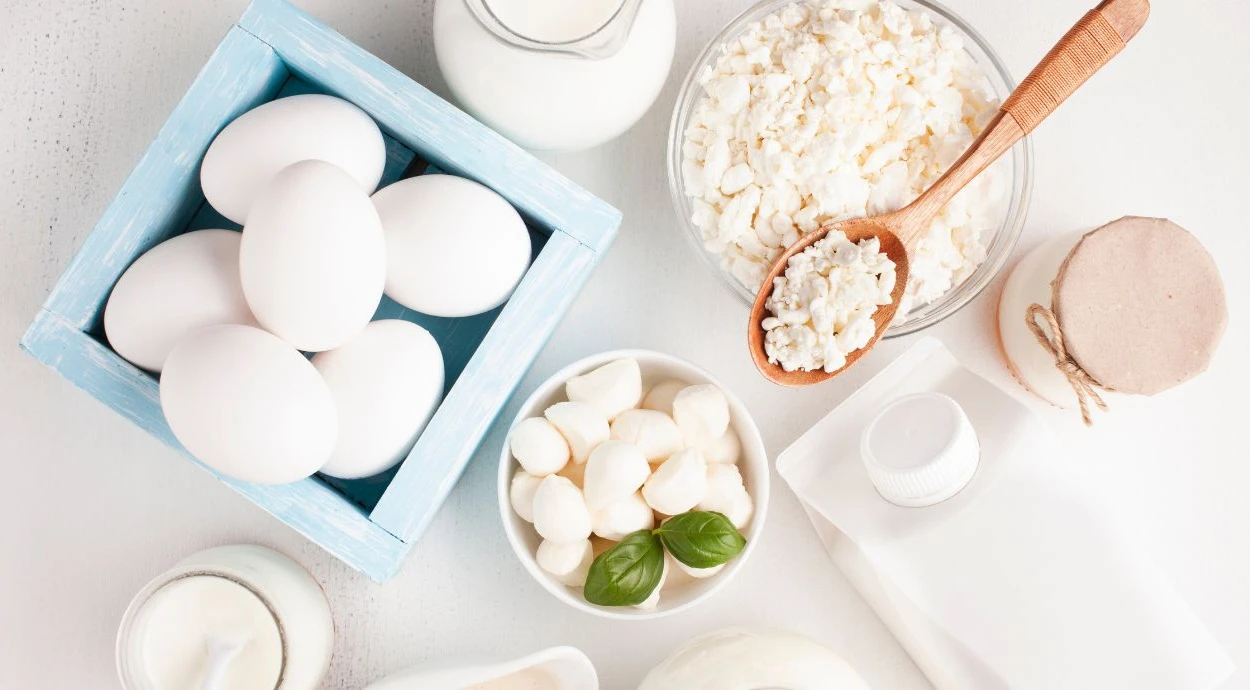
Allowed foods
Light-colored foods can form the basis of the diet after whitening. At the same time, it is important that nutrition remains complete and provides the body with the necessary nutrients.
Allowed foods include:
- boiled or baked chicken fillet, turkey, rabbit;
- white fish and seafood without colored sauces;
- eggs;
- rice, oatmeal, semolina porridge;
- pasta without bright sauces;
- cauliflower, zucchini, potatoes;
- plain white yogurt without fillers;
- cottage cheese, kefir, milk;
- white bread or toast;
- bananas, peeled pears.
Doctors at Oxford Medical recommend giving preference to simple homemade dishes with a minimum amount of seasonings in the first days after the procedure. This approach allows you to control the composition of foods and reduces the risk of accidentally including food dyes in the diet.
Allowed drinks
It is equally important to choose drinks correctly, because many of them contain pigments even when they do not have an intense color. The best choice during this period is plain drinking water, which does not affect the shade of the enamel and helps maintain proper hydration.
During the “white” diet, the following are allowed:
- still and sparkling water without dyes;
- milk;
- kefir;
- natural white drinking yogurt;
- light herbal teas without intense coloring.
After each meal or drink, it is recommended to rinse the mouth with water to reduce the contact of the enamel with food residues.
.jpg)
What you should not eat after teeth cleaning and whitening
After professional teeth cleaning and whitening, the dentist may recommend temporarily adjusting the diet to reduce the effect of dyes on the enamel. While following the “white” diet, it is important to avoid foods that contain intense natural or artificial dyes. Such substances can affect the result of the procedure and contribute to repeated tooth staining.
Forbidden foods
Patients often ask what should not be eaten after teeth cleaning and whitening so as not to worsen the result of the procedure. The main rule is to temporarily avoid foods with intense color, as well as dishes that can leave pigmented plaque on the surface of the teeth.
It is recommended to exclude:
- beets;
- carrots;
- tomatoes and tomato sauces;
- berries (blueberries, blackberries, bilberries, currants, cherries);
- pomegranate;
- dark grapes;
- chocolate and cocoa;
- soy sauce;
- ketchup, adjika and other colored sauces;
- curry, paprika, turmeric and other bright spices;
- candies, lollipops and jelly products with dyes.
Special attention should be paid to industrially produced foods. Even if they look light, they may contain food dyes, so it is advisable to read the information on the packaging before consumption.
Forbidden drinks
Many drinks contain a large amount of pigments and acids that can affect the shade of the enamel. That is why after the procedure it is recommended to temporarily avoid drinks that can stain teeth or increase their sensitivity.
Unwanted drinks include:
- coffee;
- black tea;
- green tea;
- cocoa;
- hot chocolate;
- red wine;
- juices made from berries, pomegranate, grapes and other dark fruits;
- colored carbonated drinks;
- energy drinks.
Doctors at Oxford Medical also recommend temporarily limiting the consumption of very acidic drinks, as they may increase tooth sensitivity after the procedure.
How many days to follow the “white” diet
The duration of the restrictions depends on the enamel-lightening method and the dentist’s recommendations. In most cases, the diet after teeth whitening lasts from 48 to 72 hours. This period is considered the most important for maintaining the result of the procedure.
At the same time, some specialists recommend following the main principles of the “white” diet for up to 7–14 days, especially if the patient regularly consumes coffee, tea or other foods with a high pigment content. This approach helps preserve the achieved enamel shade for as long as possible.
The duration of the restrictions may also differ depending on the teeth-lightening method. For example, after teeth whitening with trays, dietary recommendations often apply throughout the entire course of tray use and for several more days after it is completed. If photo teeth whitening was performed, the strictest restrictions are usually followed during the first few days.
Doctors at Oxford Medical recommend checking the duration of the “white” diet with your dentist, as it may depend on the individual characteristics of the enamel and the chosen whitening method.
“White” diet menu for one day
The menu during the “white” diet can be varied, nutritious and balanced.
Example menu for one day:
| Meal | Dish |
| Breakfast | Oatmeal with milk, boiled egg, glass of water. |
| Second breakfast | Natural white yogurt without additives and a banana. |
| Lunch | Baked chicken fillet, boiled rice, stewed zucchini, water. |
| Afternoon snack | Cottage cheese or kefir. |
| Dinner | Baked white fish with mashed potatoes and cauliflower. |
| Before bedtime | A glass of kefir or milk. |
The “clear” diet is not strict and does not involve significant dietary restrictions. If necessary, the diet can be adapted according to personal eating habits; the main thing is to avoid foods and drinks that contain intense dyes.
The information in the article is provided for informational purposes and is not an instruction for self-diagnosis or self-treatment. If symptoms of a disease appear, you should consult a doctor.
Sources: